I see my world has changed
The sun won’t rise this mornin’
‘Cause my baby’s gone away
Yesterday I could tell myself
That she’d be back for sure
But that train don’t stop here anymore
Anymore, anymore” – Cesar Rosas / Leroy Preston © BMG Rights Management
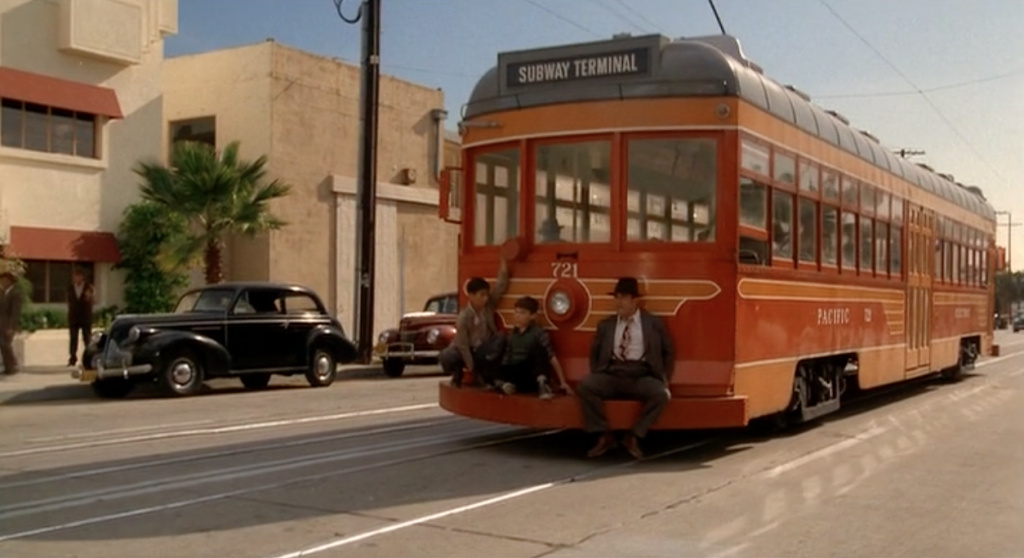
Street kid: “Hey Mister, ain’t you got a car?”
Eddie Valiant: “Who needs a car in LA? We got the best public transportation system in the world!”
The above exchange is from a scene that takes place early on in the Touchstone Pictures film, Who Framed Roger Rabbit. In the scene, private detective Eddie Valiant – portrayed by British actor Bob Hoskins – has just hopped a ride on the rear of a passing Pacific Electric red car, where a couple of street kids have already helped themselves to a ride of their own. While Valiant’s statement foreshadowed a key plot element of the film, it was not just incidental hyperbole.
Indeed, Southern California’s Pacific Electric interurban streetcar system was a world leader in public transit in the early decades of the twentieth century. In his 1971 book, Los Angeles: the Architecture of Four Ecologies, author Reyner Banham states, “The Big Red Cars ran all over the Los Angeles area — literally all over.” And in The Electric Interurban Railways in America, historians George W. Hilton and John F. Due placed the Los Angeles network as “the largest intercity electronic railway system in the U.S.,” covering 25 percent more mileage than today’s New York City subway.
But in a twist of irony, Eddie Valiant’s simple declaration of LA’s transit supremacy presages the demise of this once mighty electric railway system.
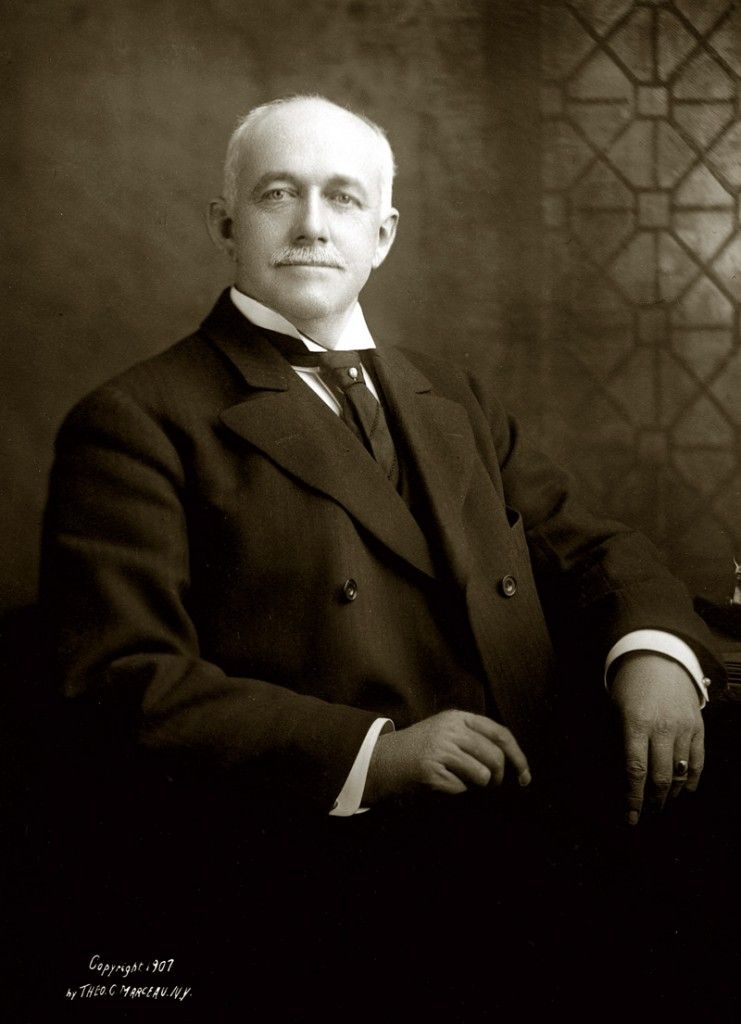
Henry Edwards Huntington was born on February 27, 1850, in Oneonta, New York. Having grown up hearing about his uncle, Collis P. Huntington – one of the “Big Four” founders of the Central Pacific Railroad – Henry would eventually go to work for his uncle, holding several executive positions under him with the Southern Pacific.
Henry Huntington had anticipated that when his uncle Collis died, he would assume control of the Central Pacific and Southern Pacific, but this move was blocked by one of the railroads’ major bondholders, and Henry was forced to sell his interests to E. H. Harriman.
Electric trolleys had first appeared in Los Angeles, California in 1887. By the mid-1890s, through various mergers with other local railways, electric streetcar service reached from the mountains of the San Gabriel Valley, to the coast at Santa Monica.
In a good-natured competition with his uncle’s Southern Pacific, Henry Huntington purchased the narrow gauge Los Angeles Railway (LARy) in 1898. When his plans to succeed his uncle were frustrated following Collis’ death in 1900, Huntington shifted his focus to building up a Southern California-based interurban streetcar system, and in 1901 formed the Pacific Electric Railway.

“She used to go out with the girls
Every now and then
She always came home early
We’d jump in bed by ten
She’d tell me that she loved me
She would forevermore
But that train don’t stop here anymore” – Rosas / Preston
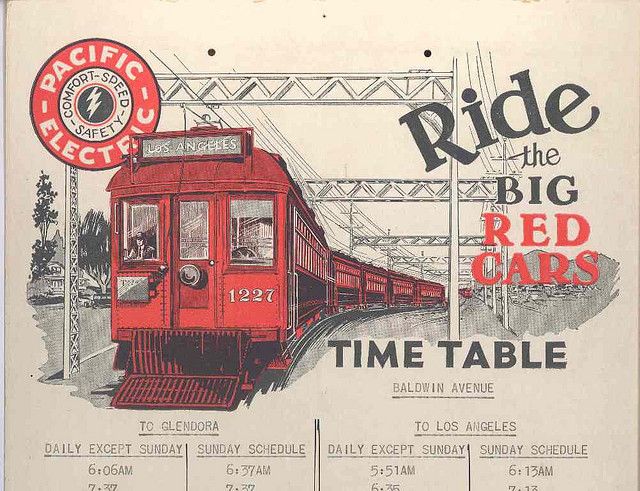
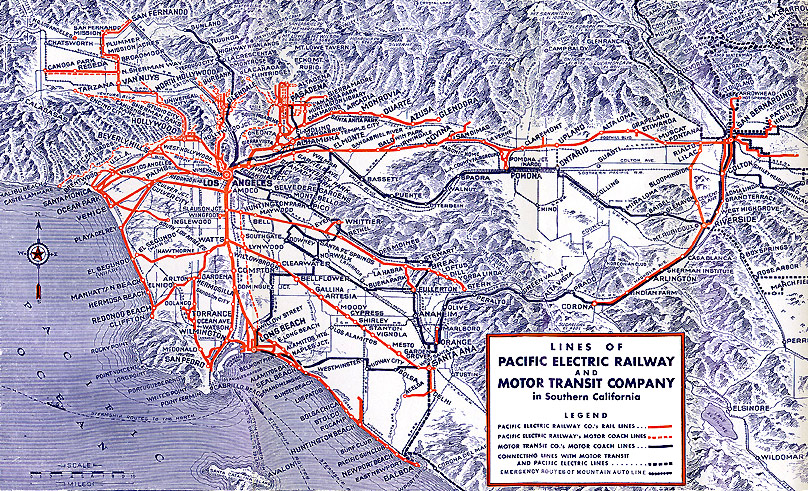
Huntington’s enterprise succeeded by providing passenger-friendly interurban streetcar service on regular daily schedules that the railroads could not equal. Organized around the city centers of Los Angeles and San Bernardino, Pacific Electric connected towns in Los Angeles County, Orange County, San Bernardino County, and Riverside County. By 1910, the system spanned approximately 1,300 miles of Southern California. In a short period of time Pacific Electric Railway’s “red cars” had become iconic and ubiquitous.
The expansion of Pacific Electric’s area of operation coincided with an explosive development boom in the Los Angeles Basin, Orange County, and the Inland Empire. In actuality, the enormous amount of growth was spurred by the transit system itself. Aside from his function as the head of the railway, Henry Huntington had also invested heavily in real estate in the areas in which he had been purchasing smaller municipal transit systems which would, in turn, become part of his larger Pacific Electric system.
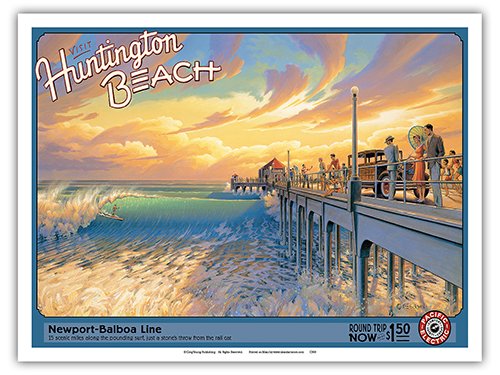
The city of Huntington Beach, California, incorporated in 1909, was developed by the Huntington Beach Company (formerly the West Coast Land and Water Company), a real-estate development firm owned by Henry Huntington. Although the company is now wholly owned by the Chevron Corporation, it still retains both extensive land holdings in the city and most of the mineral rights. In the words of author James Howard Kuntsler, the Pacific Electric Railway “connected all the dots on the map and was a leading player itself in developing all the real estate that lay in between the dots.”
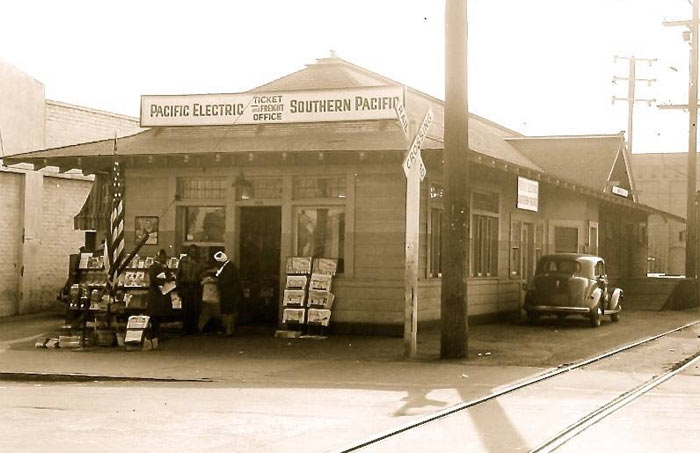
The tremendous increase in Southern California’s population during the early decades of the twentieth century had the PE’s red cars connecting communities with rich ethnic and cultural diversity. The community of Watts lies due south of downtown Los Angeles, and although originally developed as an independent city, it is now part of the South Los Angeles region. The neighborhood saw rapid development with the opening of Pacific Electric’s Watts station in 1904. Sitting roughly halfway between the city center and the harbors at San Pedro and Long Beach, Watts served as a “key junction and interchange between the long-distance trunk routes, the interurbans and street railways,” observed Reyner Banham, and it “is doubtful if any part of Greater Los Angeles, even downtown, was so well connected to so many places…”
By 1910, Watts’ nearly 2,000 residents included Germans, Scots, Mexicans, Italians, Greeks, Japanese, and blacks from the American South. Many of these residents used Pacific Electric to commute to downtown jobs. Jazz saxophonist, Cecil “Big Jay” McNeely, a native Los Angelino and veteran of the clubs located along the city’s Central Avenue, remembers “[We] had the ‘big red’ that would go out to Pasadena, big red to San Pedro, big red to Long Beach. They ran so fast, so it didn’t take you any time to get there.” Other regular red car riders included jazz musicians Charles Mingus and Buddy Colette, who rode the car from Watts to Los Angeles. On some rides, impromptu jam sessions would spring up. “Mingus would always take the cover off his bass and urge Buddy to jam with him during the ride,” remembered musician Red Callendar. “Instead of being bothered, the passengers loved it.”
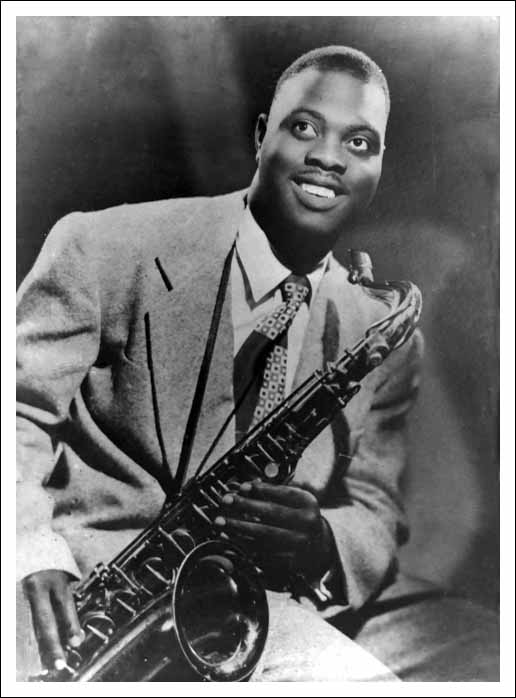
“Big Jay” McNeely 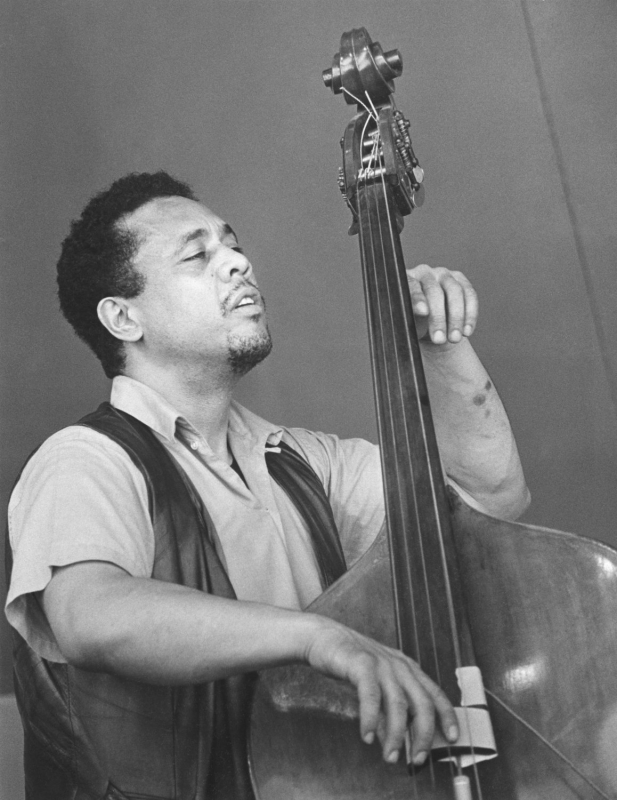
Charlie Mingus 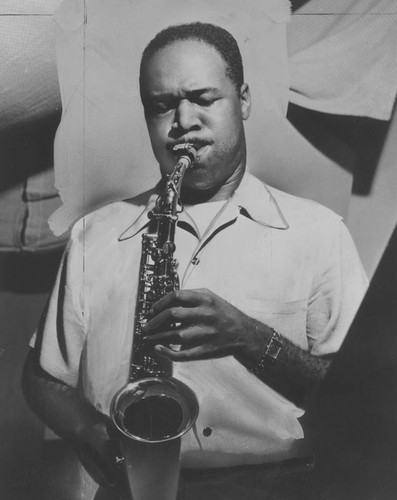
Buddy Colette
The Pacific Electric contributed to the development of other “streetcar suburbs” including Angelino Heights, Highland Park, Van Nuys, Marion (now Reseda), Owensmouth (now Canoga Park), and West Hollywood. Real estate developers promoted the PE’s “Balloon Route,” so-called for the shape that the route traced traveling from downtown to the beach towns and back again. Posters advertised Venice Beach as “the Coney Island of the West,” Redondo Beach as the “happy medium for the masses” and Huntington Beach as the “rendezvous for little families.”
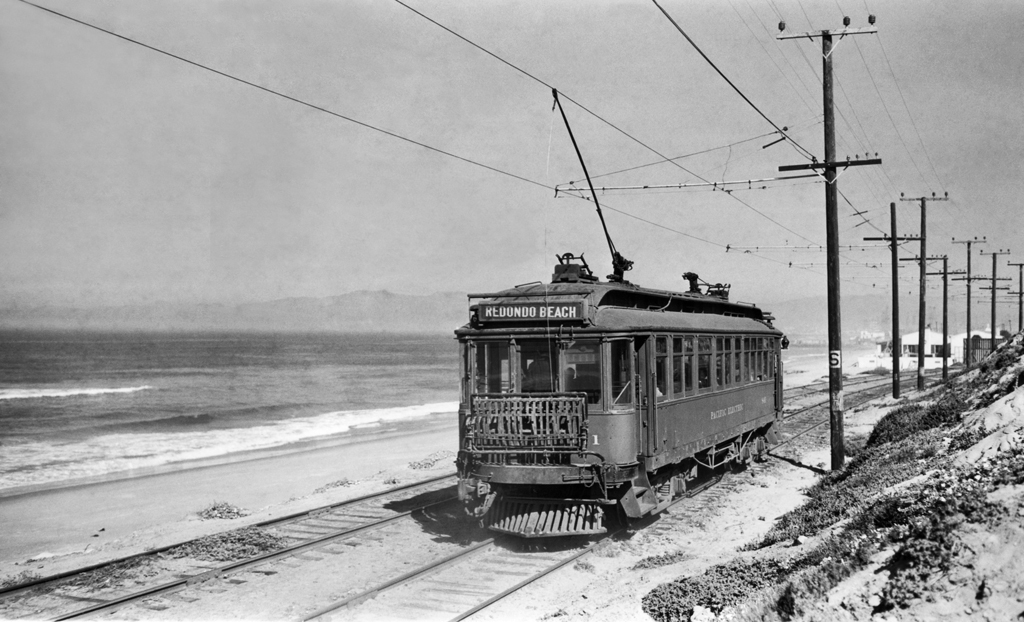
I remember my late father sharing with me his experiences riding the red cars as a young man. In his teen years and early adulthood my father had lived in the city of Huntington Park – another of the streetcar suburbs named for Henry Huntington – and he told me of the times that he would ride the Pacific Electric from his home to the beach, where he would spend the day before riding back again, all for the price of a nickel each way. Having shared this memory with me on a number of occasions, I sensed that it may have been a particular source of nostalgia for him.
As I was preparing to write this post, I asked my ninety-three-year-old mother, who grew up in the city of Compton, if she had any distinct recollections of the Pacific Electric red cars. She responded, “I certainly do!” She remembered riding the red car into downtown Los Angeles along with her mother and younger sister, to do as she described it, “big shopping.” After the shopping was done, her mother treated the girls to lunch at Clifton’s Cafeteria.
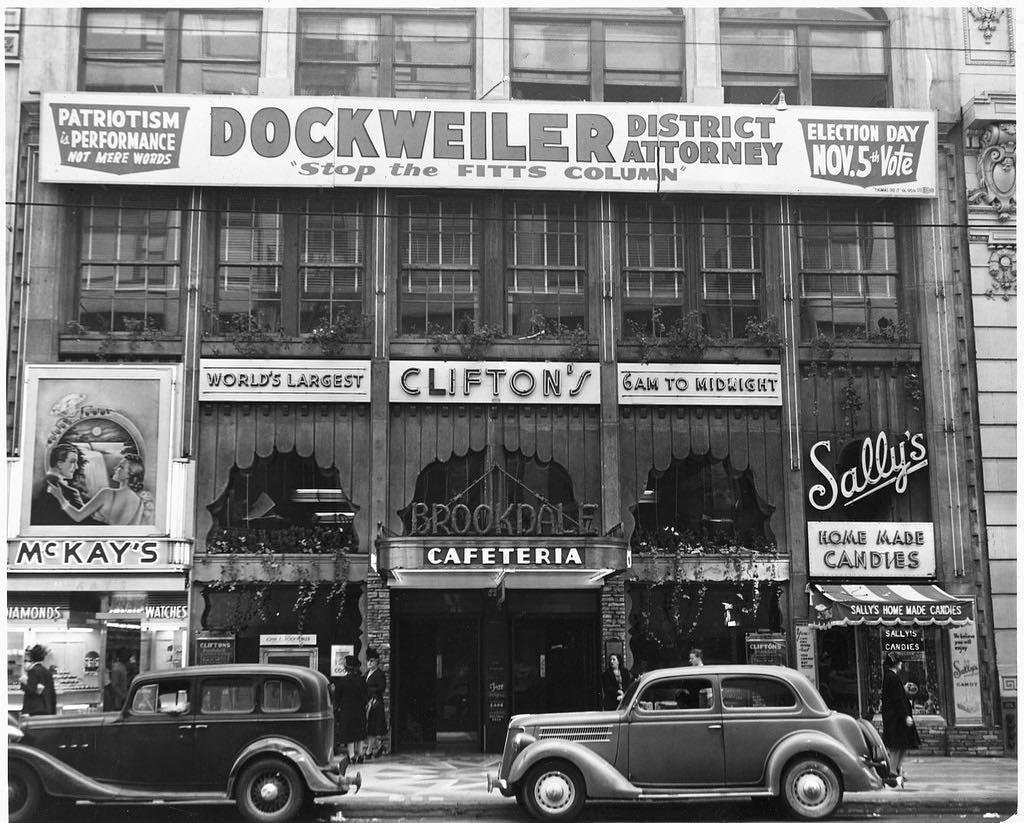
My mother stressed that getting to ride the streetcar into downtown LA, as well as getting to eat lunch there, was a very special occasion. As she related this memory to me she remarked that she could clearly remember the sights, sounds, and smells of those old wooden cars: the ringing of the bell as the cars arrived and departed the platform; the doors clanging open and closed, and the vibrations of the rails felt through the unpadded wooden seats. She also remembered her father driving them to and from the streetcar platform on Alameda St in Compton.
“Nothin’ changes faster
Than baby’s fickle mind
I know she’ lovin’ someone
Somewhere down the line
I know that she still has a key
I’m waiting by the door
But that train don’t stop here anymore
Anymore, anymore, anymore, hey” – Rosas / Preston
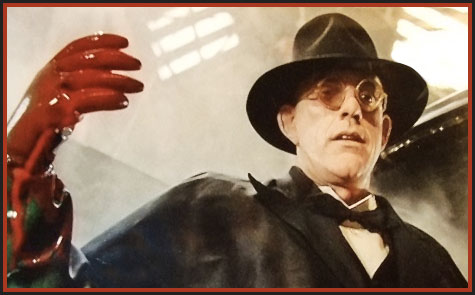
Over the years there has been much talk of a conspiracy to dismantle Los Angeles’ interurban transit system in favor of automobile travel. As mentioned at the top, this is an integral plot point in the film Who Framed Roger Rabbit, when the Pacific Electric Railway Co. is sold to the shady Cloverleaf Industries, and its sole shareholder is revealed to be the sinister Judge Doom. In real-life, the conspiracy played out as the Great American Streetcar Scandal, when in 1974 the U.S. Senate heard allegations of General Motors’ and other companies’ involvement in the break-up of streetcar systems across the United States and in particular in Los Angeles.
In truth, revenue from passenger traffic rarely generated a profit, unlike freight. As Henry Huntington’s involvement with urban rail was so closely associated with his real estate development, where profits had been significant, many lines on the Pacific Electric’s system had ultimately been run at a loss. But by 1920, when most of their real estate holdings had been developed, the major income source began to dry-up.
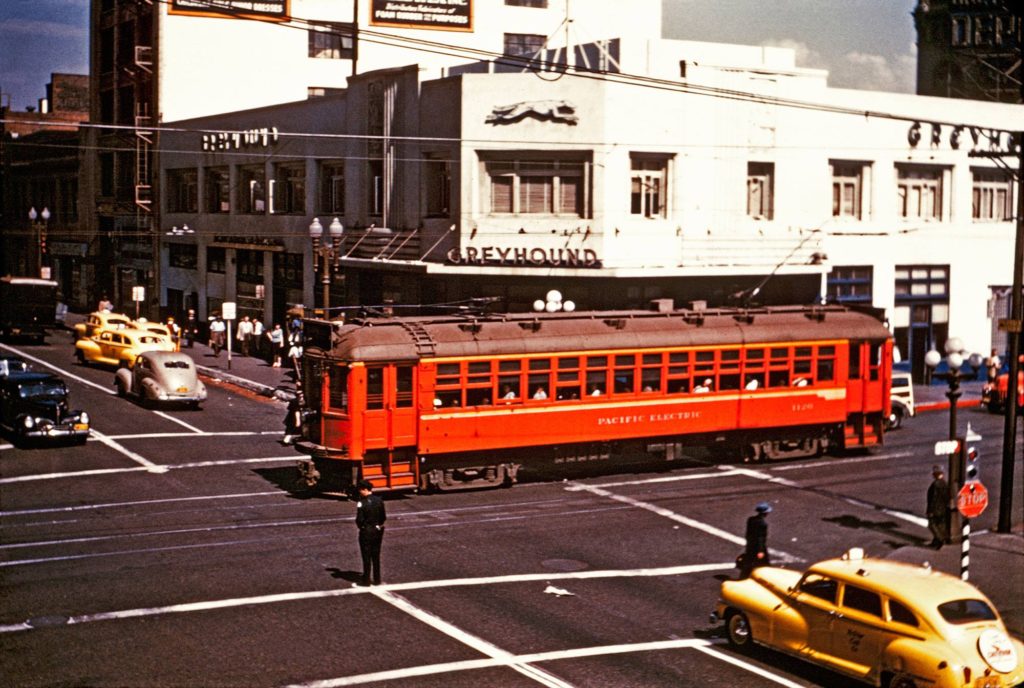
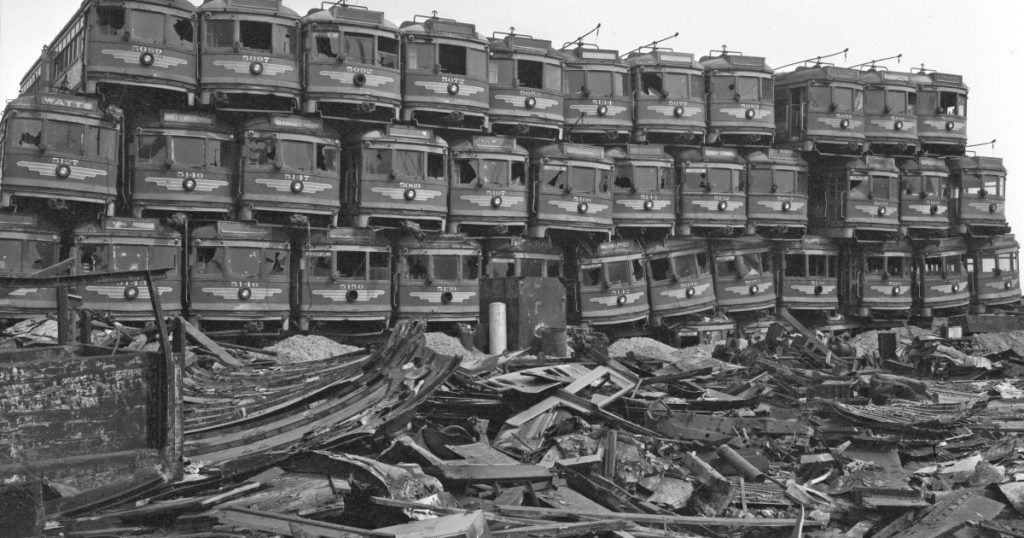
The 1930s saw the coming of freeways, while the Interstate Highway System of the 1950s was looming on the horizon. The bulk of Pacific Electric’s inner-city tracks shared streets with automobiles and trucks, and as traffic congestion increased, the speed and efficiency of the streetcars began to decline. Incrementally lines were sold off and eventually replaced by bus routes.
“She ran out through the back door
Screamin’ in the night
She said I was the devil
I didn’t treat her right
The man down at the station
Said that was her for sure
Now that train don’t stop here anymore
Anymore, anymore, anymore” – Rosas / Preston
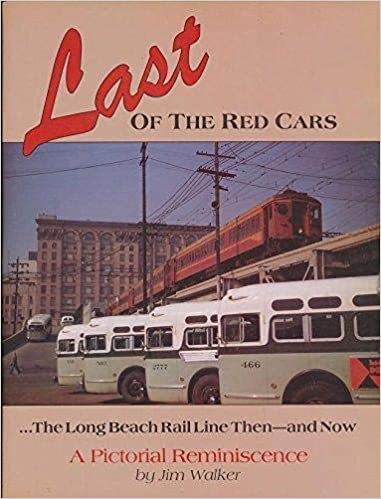
April 9, 1961, saw the final ride of LA’s celebrated red car. The run took place on the Los Angeles-to-Long Beach line, which having begun operation on July 4, 1903, held the distinction as being the Pacific Electric Railway’s first and last interurban passenger line.
“Now that train don’t stop here anymore” – Rosas / Preston
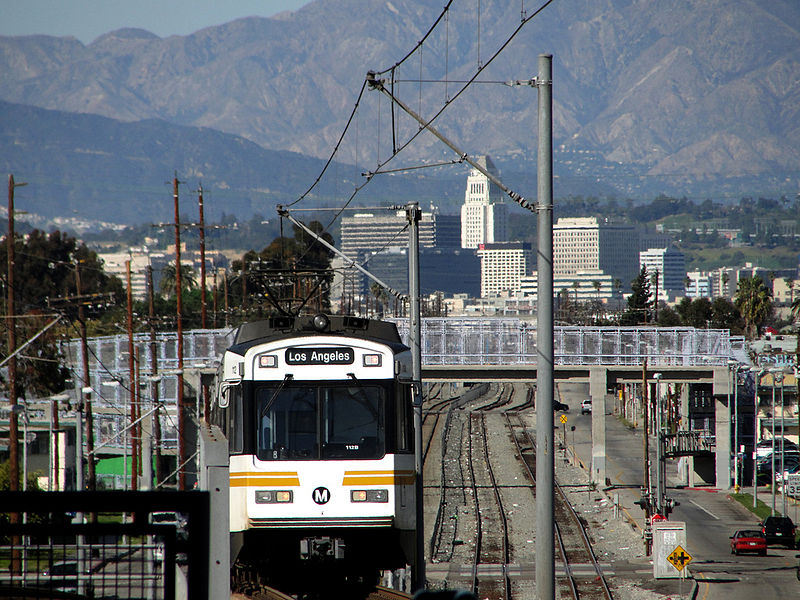
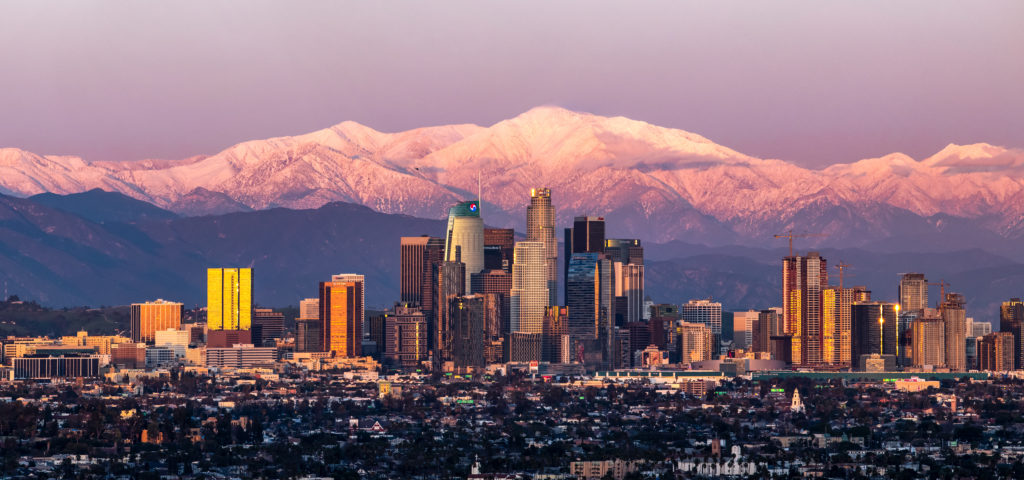
But just as everything that’s old is new again, in 1990 the Los Angeles County Metropolitan Transportation Authority opened the A Line (formerly the Blue Line) on the very same right-of-way as the old Pacific Electric route. As of December 2017, the 22-mile route from LA to Long Beach had an estimated 22.38 million riders per year.
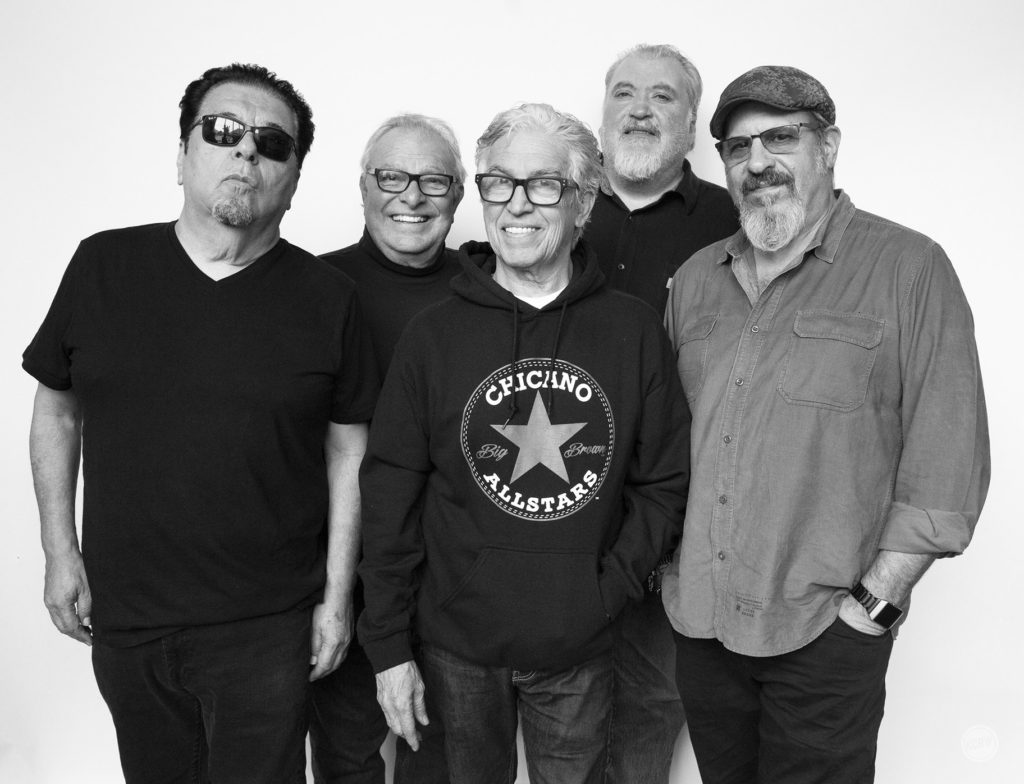
Thanks to Los Lobos – way more than “just another band from East L.A.” – for providing the inspiration for this post. Their story is as much a part of the fabric of the “City of Angels” as is the story of Pacific Electric’s legendary red cars. And while that “train” may not stop here anymore, Los Lobos continue to make outstanding music that ably represents their hometown of El Pueblo de Nuestra Señora la Reina de los Ángeles.
Sources:
https://en.m.wikipedia.org/wiki/Pacific_Electric
https://www.scpr.org/news/2016/05/19/60798/before-the-shiny-expo-line-extension-there-was-the/
https://en.wikipedia.org/wiki/Los_Lobos
https://en.wikipedia.org/wiki/Kiko_(album)
All photos sourced through internet searches, none belong to the author
]]>That is rolling down the tracks to the junction.
Forget about your cares
It is time to relax at the junction” – Petticoat Junction Theme (Paul Henning/Curt Massey)
“Every morning, the little old wood-burning train chugged into town. Every afternoon, it chugged out. Where did it go? We weren’t quite sure, but we dreamed about climbing aboard someday, in search of adventure. Its low, mournful whistle was a siren song.” – Paul Henning, reminiscing about his childhood in Missouri.
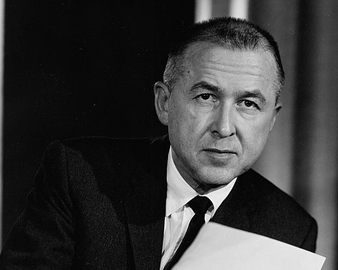
Paul William Henning was born on September 16, 1911, in Independence Missouri, where he grew up on his family’s farm. As a teenager, while working behind the soda fountain at Brown’s Drugstore, he met Harry S. Truman, who advised the young man to become a lawyer. Not too many years later he graduated from the Kansas City School of Law, but soon thereafter entered the world of radio.
With the ambition of being a singer, Paul Henning started work at KMBC, a commercial AM radio station located in Kansas City, Missouri, where he submitted several scenarios that showcased his tenor voice. A producer at the station explained to him that the type of shows he was suggesting needed paying sponsors, so he went out and found one. Henning convinced the Associated Grocers of Kansas City to finance The Musical Grocers, in which he was featured as a singing grocery clerk. Learning that the station had no budget to hire writers for his show, he became a writer as well as a singer. It was while working at the station that he met his future wife, Ruth Barth, who wrote and acted alongside Henning in several rural-themed radio serials.
It wasn’t long before Paul Henning realized that there were greater opportunities ahead for him as a writer than as a singer. Barth and Henning eventually left Kansas City for Chicago, where they contributed to shows such as Fibber McGee and Molly and Don Winslow of the Navy. And in 1939, they married and moved to Los Angeles.
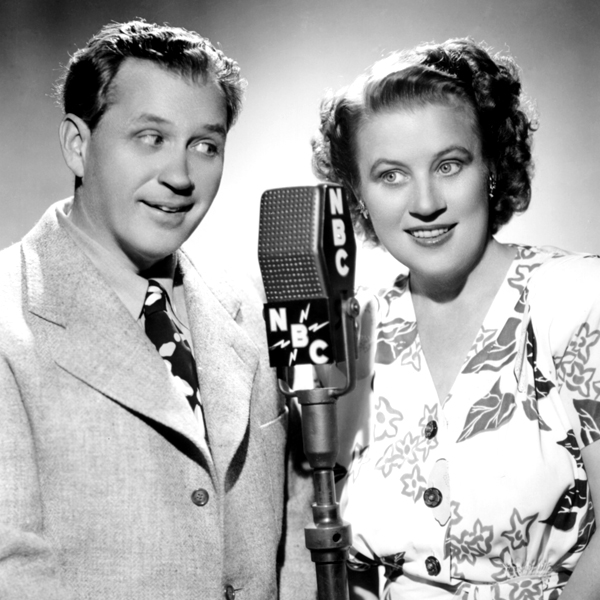
Fibber McGee and Molly 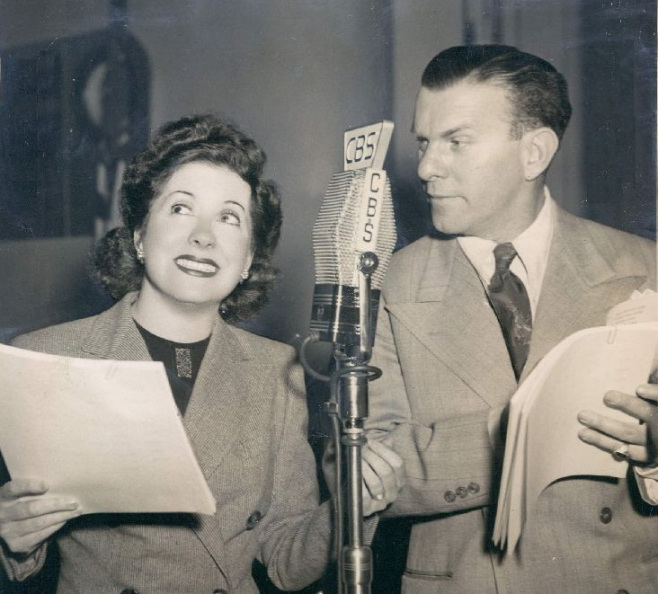
George Burns and Gracie Allen 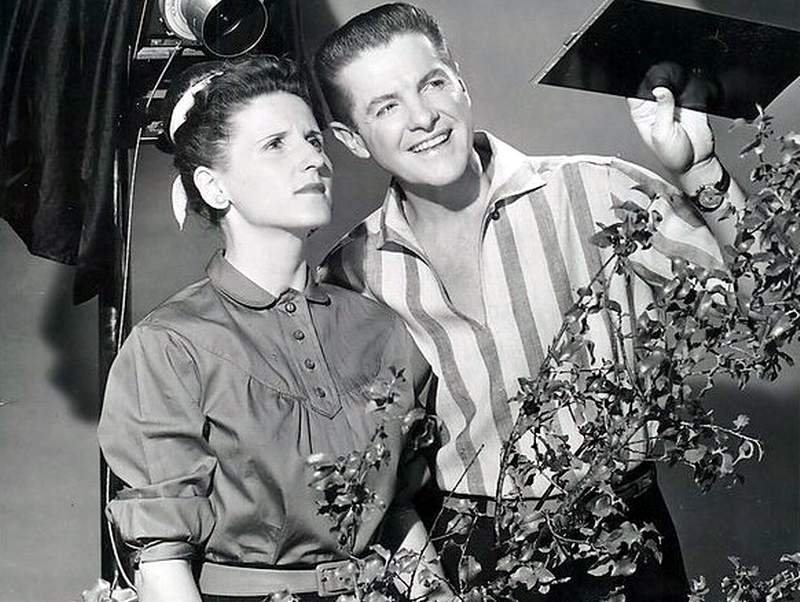
Bob Cummings and Ann B. Davis
Over the next 20 years, Henning made a name for himself in radio and then television, as he wrote for a string of programs that included The George Burns and Gracie Allen Show, The Dennis Day Show, The Real McCoys, and The Andy Griffith Show; he was the creator, writer, and producer of The Bob Cummings Show, which was where he met many of the actors who would later be cast in series he created.
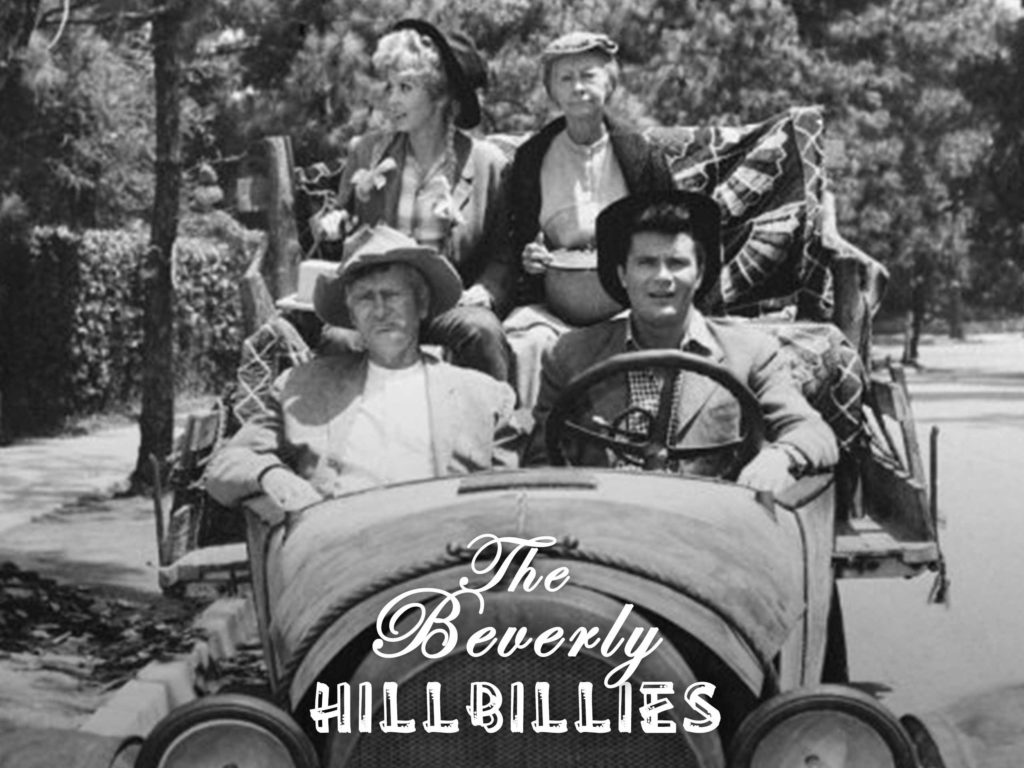
In 1959, Henning was approached by a studio executive in need of more television programming and was asked whether he had any ideas. Remembering his teenage encounters with hill folk during Boy Scout trips to the Ozarks, he created The Beverly Hillbillies, which debuted on CBS in the fall of 1962, and would remain one of television’s most popular shows throughout its nine-season run.
Side note #1:
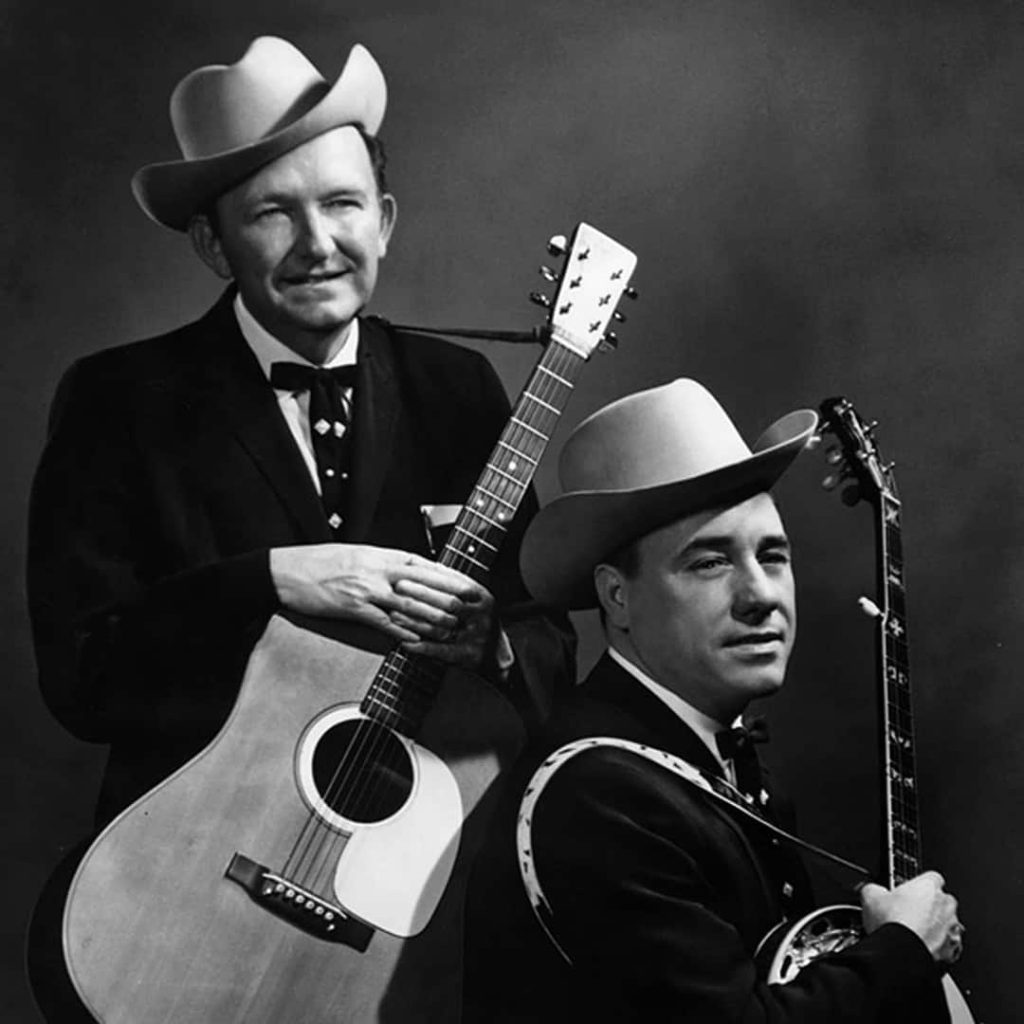
Paul Henning composed “The Ballad of Jed Clampett”, which was used as the theme song that opened and closed each episode of The Beverly Hillbillies. As the show’s theme, the tune was sung by Jerry Scoggins, who was accompanied by bluegrass duo, Lester Flatt and Earl Scruggs. The song was also re-recorded by Flatt & Scruggs, with Lester Flatt on vocals. Their version spent 20 weeks on the Billboard Country Singles charts, including 3 weeks in the number one position, while reaching #44 on the Billboard Hot 100. The recording would be Flatt & Scruggs’ only #1 hit. (See video below)
Even though The Beverly Hillbillies was poorly received by critics, the show quickly soared to the top of the Nielsen ratings, and during its first two seasons was the number one show in the US, with season two earning some of the highest ratings ever for a half-hour sitcom. Due to this success, when another half-hour prime time slot became available, the network looked to Paul Henning for more ideas. This time the inspiration would come from his wife Ruth’s memories of her own childhood in Eldon, Missouri.
“Lotsa curves, you bet
Even more, when you get
To the junction
(Petticoat Junction)” – Petticoat
Junction Theme (Henning/Massey)
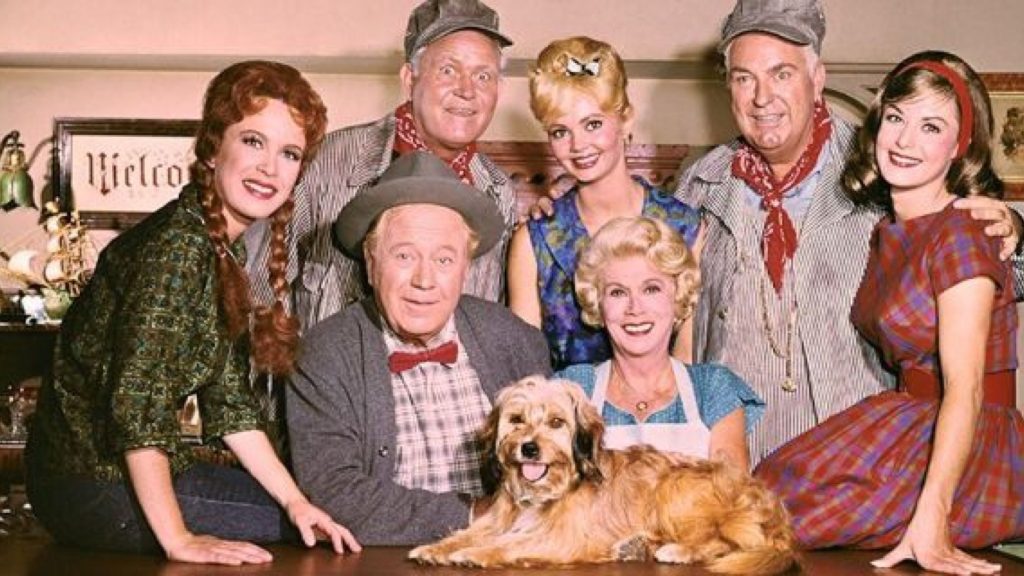
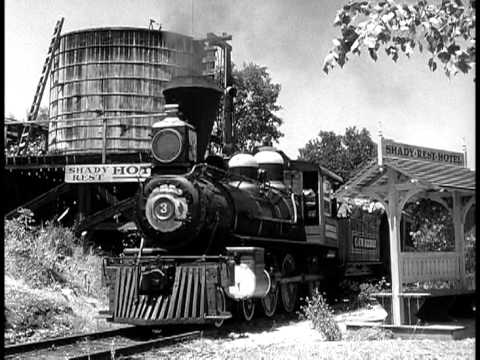
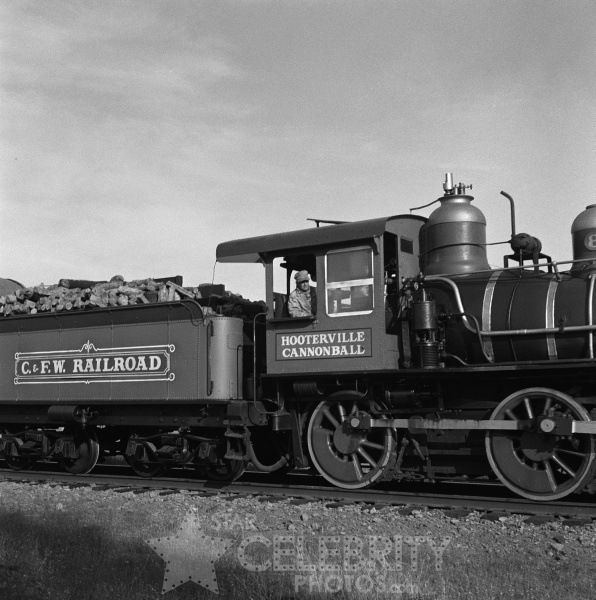
During preproduction for Henning’s new program, titles considered were Ozark Widow, Dern Tootin’, and Whistle Stop, but the name finally settled upon was Petticoat Junction. The show’s focal point was the rural Shady Rest Hotel, run by widowed Kate Bradley, who resided there with her three daughters – redhead Betty Jo, brunette Bobbie Jo, and blonde Billie Jo – as well as her uncle Joe, who mainly slept on the hotel’s front porch, where he dreamed up get-rich-quick schemes. The isolated hotel was served by the Hooterville Cannonball, an 1890s steam-driven train operated by engineer Charley Pratt and fireman/conductor Floyd Smoot.
Henning explained that the basis for the show came from Ruth Henning’s recollections of her grandparents’ hotel in Eldon Missouri. Once known as the Rock Island Hotel, the establishment stood within walking distance of a stop on the now-abandoned Chicago, Rock Island, and Pacific Railroad line that ran through the town. Ruth’s mother, Alice (Burris) Barth had told her many stories about the renamed Burris Hotel and about growing up in Eldon. In addition, Ruth had fond remembrances of her own adventures during visits with her grandmother. Together, these stories provided the show’s premise.
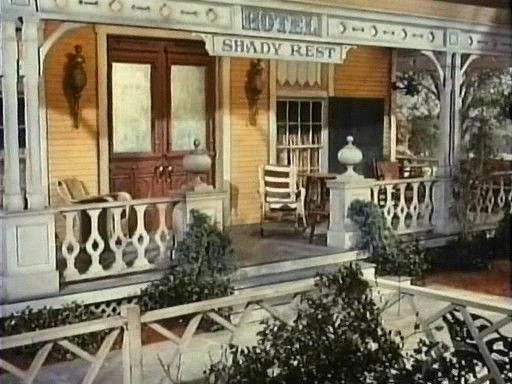
“There’s a little hotel called the Shady Rest at the junction
(Petticoat Junction)
It is run by Kate, come and be her guest at the junction
(Petticoat Junction)
And that’s Uncle Joe, he’s a-movin’ kind of slow at the junction
(Petticoat Junction)” – Petticoat Junction Theme (Henning/Massey)
Linda Kaye Henning – Paul Henning’s daughter, and the actress who would portray Betty Jo Bradley throughout the show’s seven seasons – has stated that her father, “wrote the series for Bea Benaderet.” Believing that Benaderet had more than paid her dues in the entertainment industry, Paul Henning created Petticoat Junctions’s Kate Bradley as the first leading role for the veteran actress.
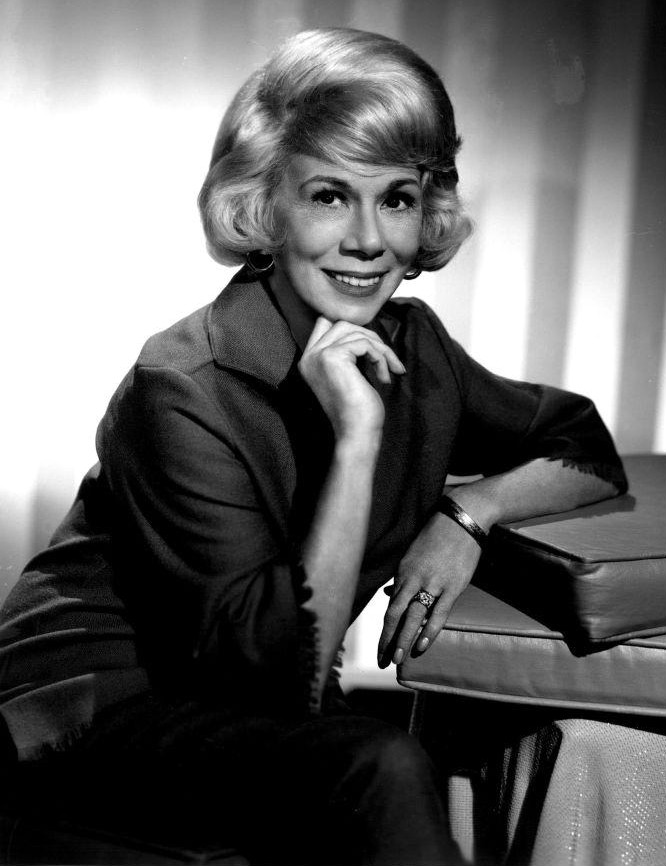
Bea Benaderet had begun her career in radio in the 1930s, working with Orson Welles, Jack Benny, George Burns, and Lucille Ball. She was one of the featured voices for Warner Bros’ animated features, but not being under contract with the studio, as was Mel Blanc, she received no onscreen credits for her work; she was the voice of Betty Rubble on television’s The Flintstones from 1960-64. Benaderet was also Lucille Ball’s first choice for the role of Ethel Mertz in her upcoming sitcom I Love Lucy, but as she was already under contract for the television adaptation of The George Burns and Gracie Allen Show, she had no choice but to turn down the offer. Bea Benaderet would remain with Petticoat Junction through 1968 when she passed away from lung cancer at the age of 62.
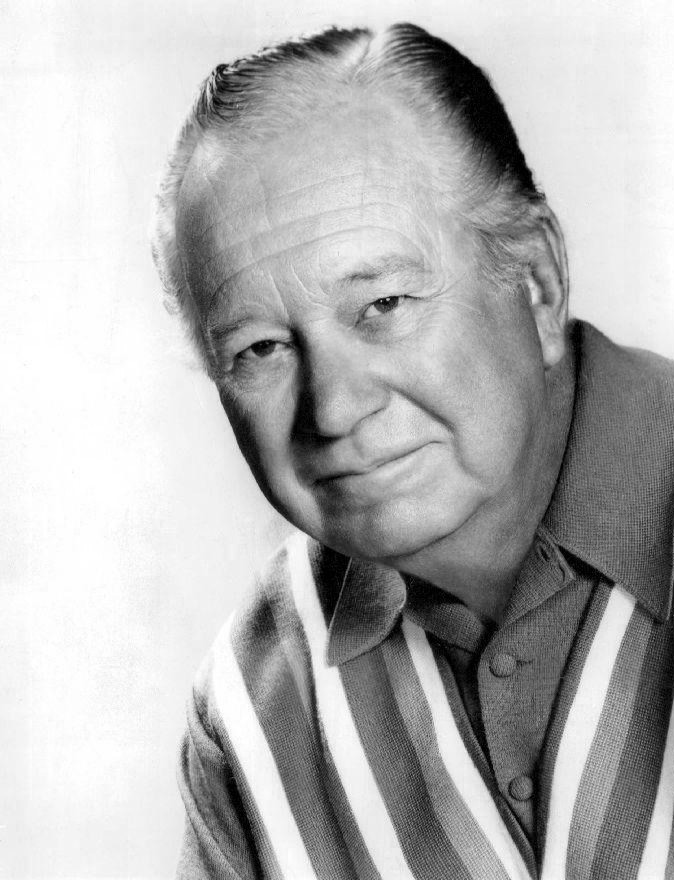
The part of Uncle Joe Carson was played by actor Edgar Buchanan, who was the only cast member to appear in all 222 episodes of Petticoat Junction. Buchanan had graduated from dental school in 1928, but after relocating to Southern California, he joined the Pasadena Playhouse as an actor, and appeared in his first film in 1939, at the age of 36. Buchanan appeared in over 100 films, including countless westerns, and would play the lead role in the 39-episode syndicated Western television series, Judge Roy Bean. Following Petticoat Junction, Buchanan starred in the 1974 movie Benji, along with Higgins the dog, who had been one of his “co-stars” on Petticoat Junction.
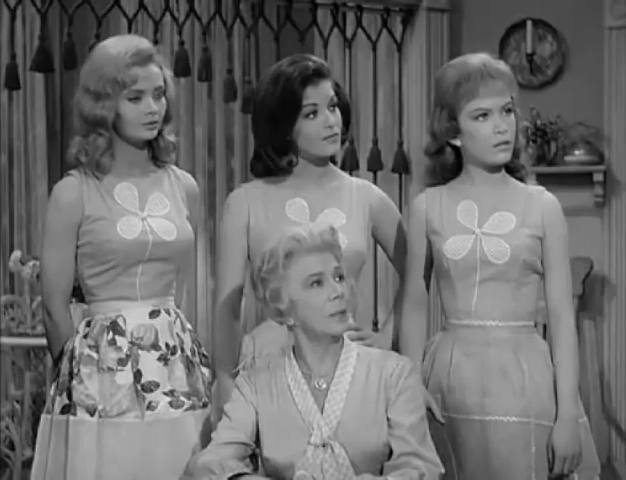
Kate Bradley’s daughters – Betty Jo, Bobbie Jo, and Billie Jo – were played by actresses Linda Kaye Henning, Pat Woodell (seasons 1 & 2), and Jeannine Riley (seasons 1 & 2) respectively, with other actresses filling the Bobbie Jo and Billie Jo roles in later seasons.
Side note #2:
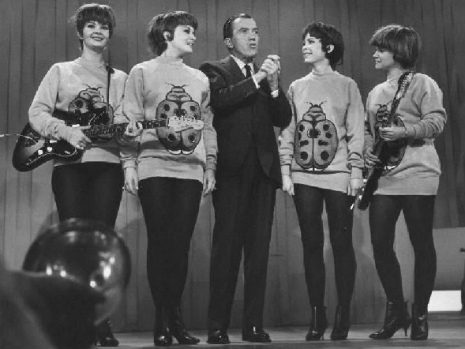
In the season-one episode “The Ladybugs”, the three Bradley girls, along with their friend Sally Ragsdale (Sheila James) form a Beatlesque band called The Ladybugs at the urging of Uncle Joe. In the episode the group wears mop-top wigs, matching outfits, and performs The Beatles’ “I Saw Her Standing There”, changing the lyrics from “her” to “him”. On March 22, 1964, the four actresses performed the same song as The Ladybugs on The Ed Sullivan Show, where the host invited his viewers to tune-in later that week to view their episode. (See video below)
Although as a young boy I may have been captivated by the striking blond actress Meredith MacRae, who portrayed daughter Billie Jo Bradley in seasons 4-7, to my train-loving tastes, the show’s main attraction was always the Hooterville Cannonball.
“When they hear the dinner bell
From the Shady Rest Hotel, at the junction
Folks will walk a country mile
For the chicken country style, at the junction
But it’s easy to observe
All the pretty girls that serve at the junction
(Petticoat Junction)” – Petticoat Junction Theme (Henning/Massey)
Kate Bradley’s Shady Rest Hotel was situated on a branch line of the fictional C. & F.W. Railroad, where the demolition of a trestle several years earlier had completely isolated the branch from the main railway. This left the Hooterville Cannonball providing service only to the towns of Hooterville and Pixley. With the Shady Rest Hotel located roughly halfway between the lines two termini, Petticoat Junction served as a water stop for the steam-driven Cannonball.
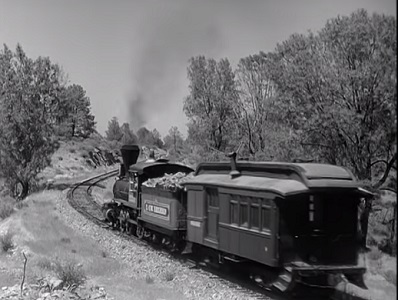
Consisting only of an 1890s locomotive and a combination car (with a baggage and passenger section) the Hooterville Cannonball essentially functioned as a taxi service for the residents and guests of the Shady Rest Hotel. A familiar theme in numerous episodes of the show was the executives of the railroad attempting to shut down the Cannonball’s operation.
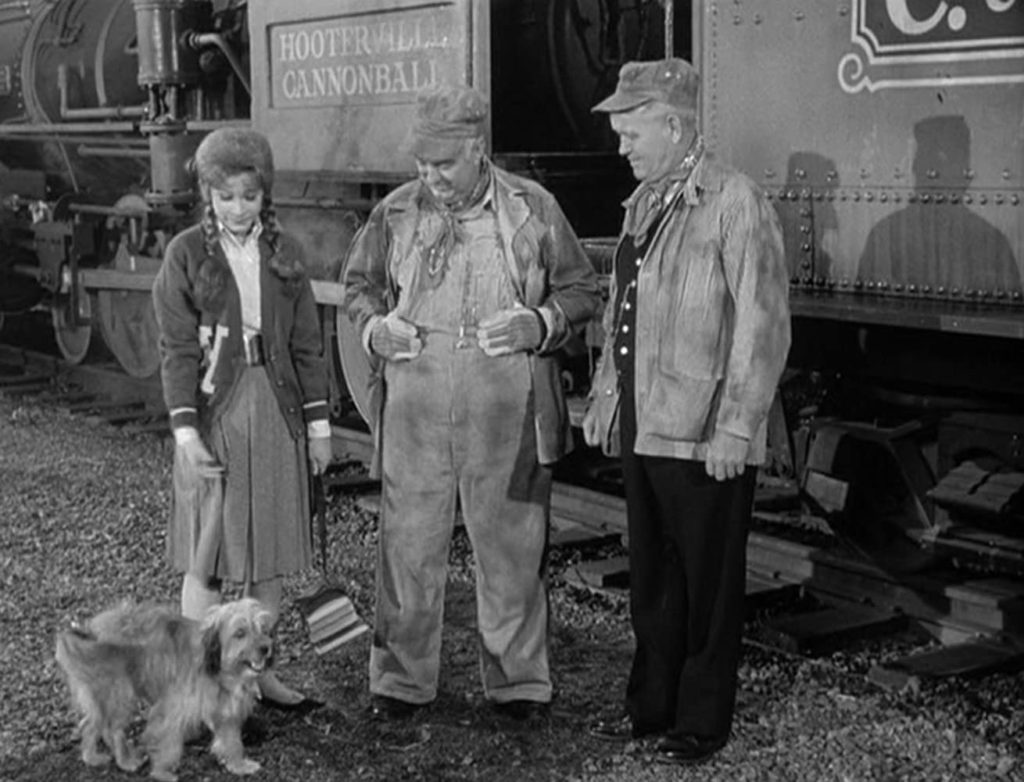
The Cannonball’s engineer, Charley Pratt, was portrayed by actor Smiley Burnette, who had begun his career as a country music performer, as well as a sidekick to Gene Autry, Roy Rogers, and other B-movie cowboys. Charley Pratt would remain at the Cannonball’s throttle through the end of season four until actor Burnette passed away from Leukemia. Charley Pratt’s death was written into the storyline of season 5, as Floyd Smoot (Rufe Davis), who had served as the train’s fireman/conductor, took over as engineer in addition to his former duties. In later seasons of the show, Floyd Smoot would be replaced by another engineer, and eventually, the Cannonball’s driver would become more of a minor character.
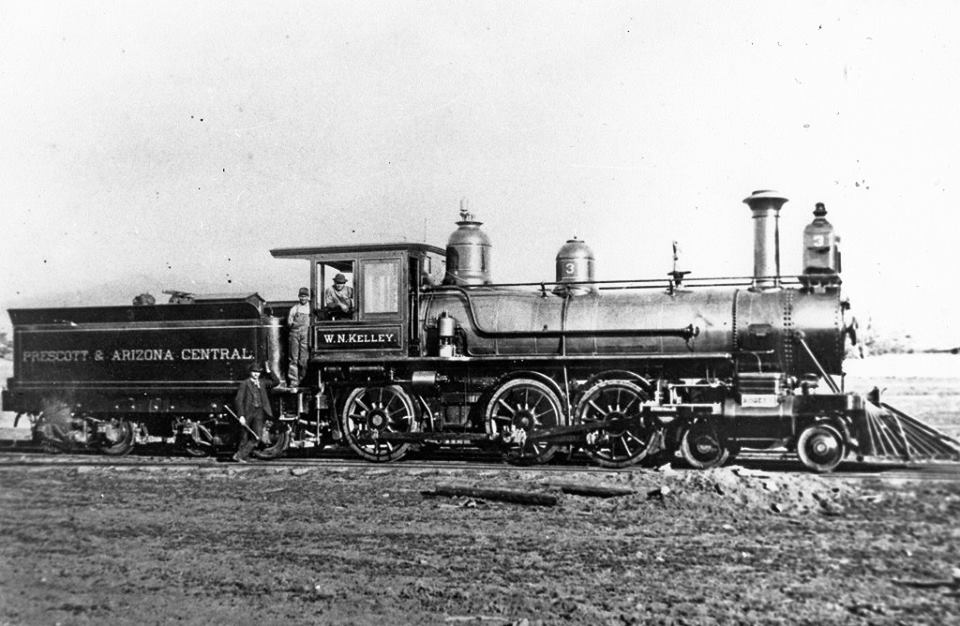
Finally, the Hooterville Cannonball was portrayed by the grande dame of film locomotives, Sierra Railway No. 3, which has been called the “Movie Star Locomotive”. Manufactured in 1891 by the Rogers Locomotive and Machine Works of Paterson, New Jersey, the machine was specifically built for the Prescott & Arizona Central Railway (P&AC) as their locomotive #3 and was named W.N. Kelley after that company’s treasurer. When the P&AC went bankrupt in 1893, its owner, Thomas S. Bullock, relocated to California bringing the No. 3 along with him, eventually forming the Sierra Railway Company of California to serve the timber industry. The locomotive became known as Sierra No. 3, the name that it retains to this day.
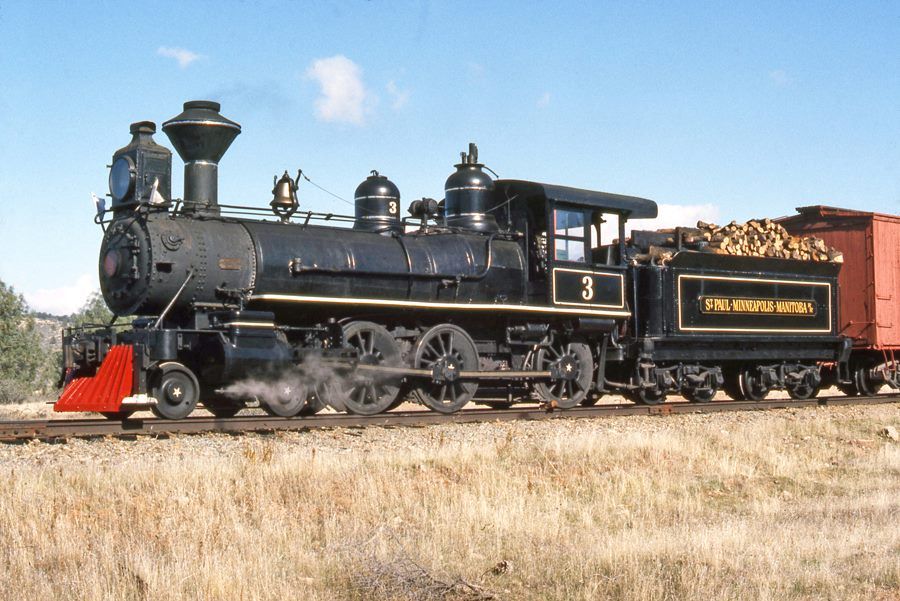
Sierra No. 3 made her screen debut in Tom Mix’s feature, The Terror, a silent film released in 1920, while she continued to function as a workhorse for the railroad. Taken out of operation during the Great Depression, she narrowly avoided being scrapped during WWII. A rebuild by the Sierra Railroad Company was completed in 1948, and No. 3 officially returned to service heading a Railway and Locomotive Historical Society sponsored excursion train. Over the next 50 years, she would appear in dozens of films, TV shows, and commercials, including High Noon, The Great Race, The Great Train Robbery, Finian’s Rainbow, Bound For Glory, The Long Riders, The Apple Dumpling Gang, Pale Rider, Unforgiven, and Back to the Future Part III, as well as almost any television western you can name.
In 1982, Sierra Railroad’s locomotive facilities in Jamestown – including locomotive No. 3 – were acquired by the State of California and became Railtown 1897 State Historic Park. In 1995 No. 3 was once again removed from service until renovations could be made to her boiler to meet upgraded safety standards. When the cost of rebuilding became prohibitive, Clint Eastwood – who had worked with Sierra No. 3 in several of his movies, as well as his early series Rawhide – contributed to the fundraising appeal, describing No. 3 as “like a treasured old friend.” Eastwood wrote, “Sierra No. 3 resides at Railtown 1897 State Historic Park. It is housed in the original roundhouse which is still in use. Together these two assets provide a rare opportunity to experience history just as it was 109 years ago.”
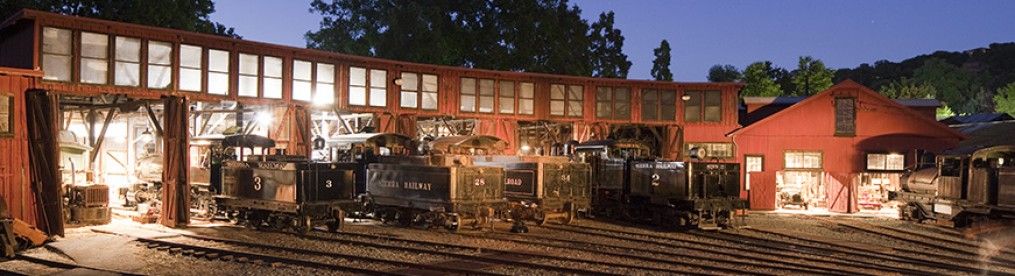
The final cost of the rebuild was $1.6 million, and Sierra No. 3 was restored to her 1929 appearance when she appeared in the film The Virginian. She was officially returned to service on July 10, 2010.
At the outset of production for Petticoat Junction, Paul Henning believed the train to be an “important character” and hired railroad historian Gerald M. Best to keep an eye on the details. Henning stated that “the train’s weekly appearances on TV might set the space-age back 50 years and drive train buffs insane with delight, but without it, our show would lose its character image.”
“When I started Petticoat Junction, I had one aim. If people thought to themselves, ‘Gee, I’d like to spend a few days at that beat-up hotel’ or ‘I’d like to ride that funny little railroad,’ I knew we would make it.” – Paul William Henning (1911-2005)
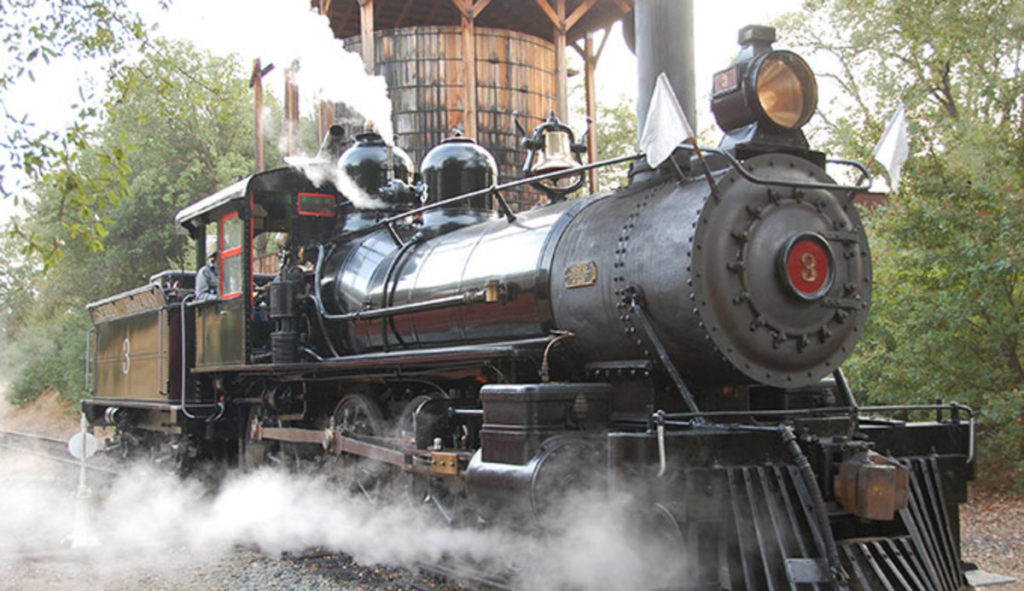
Below is a video that includes the history of Sierra No. 3 as well as details of its restoration.
Sources:
https://en.wikipedia.org/wiki/Paul_Henning
https://en.wikipedia.org/wiki/Petticoat_Junction
https://en.wikipedia.org/wiki/Hooterville_Cannonball
https://en.wikipedia.org/wiki/Sierra_No._3
https://en.wikipedia.org/wiki/Bea_Benaderet
https://en.wikipedia.org/wiki/Edgar_Buchanan
https://en.wikipedia.org/wiki/Smiley_Burnette
All photos sourced through internet searches, none belong to the author.
]]>Comin’ down that railroad track
Hey, look a-yonder comin’
Comin’ down that railroad track
It’s the Orange Blossom Special
Bringin’ my baby back” – Orange Blossom Special (Ervin Thomas Rouse) © Sony/ATV Music
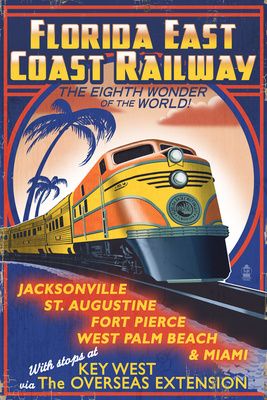
In the 1920s, the state of Florida found itself in the midst of a huge land boom. A number of factors contributed to the boom, beginning with the railroad: By 1894, the Florida East Coast Railway had extended its line to West Palm Beach, continuing to Miami in 1896, and finally reaching Key West in 1912; developers had begun draining the Everglades to create new dry land; and World War I cut off the very wealthy from their seasons on the French Riviera, making Florida’s tropical climate a very attractive alternative.
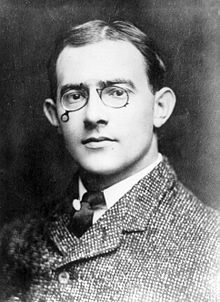
Carl Graham Fisher, a pioneer, and promoter of the automotive industry and highway construction had in 1912 conceived and helped develop the Lincoln Highway – the first roadway for automobile traffic across the entire continental United States. In 1914, Fisher followed the east-west Lincoln Highway, with the north-south Dixie Highway, connecting Michigan to Miami. He then turned his attention to developing the new resort town of Miami Beach, built upon a mostly unpopulated barrier island, connected to the mainland by the new Collins Bridge, and situated right at the southern terminus of the Dixie Highway. Widely regarded as a promotional genius, Fisher purchased a huge lighted billboard in New York’s Times Square declaring, “It’s June in Miami”.
All of this Floridian attention, development, and promotion, led to speculation and eventually to a real estate bubble which burst in 1925. But the secret was out that Florida provided a welcome respite from the harsh northern winters, and the railroads had left the Sunshine State barely more than a day’s ride from the Big Apple.
“Well, I’m going down to Florida
And get some sand in my shoes
Or maybe Californy
And get some sand in my shoes
I’ll ride that Orange Blossom Special
And lose these New York blues” – Orange Blossom Special (Rouse)
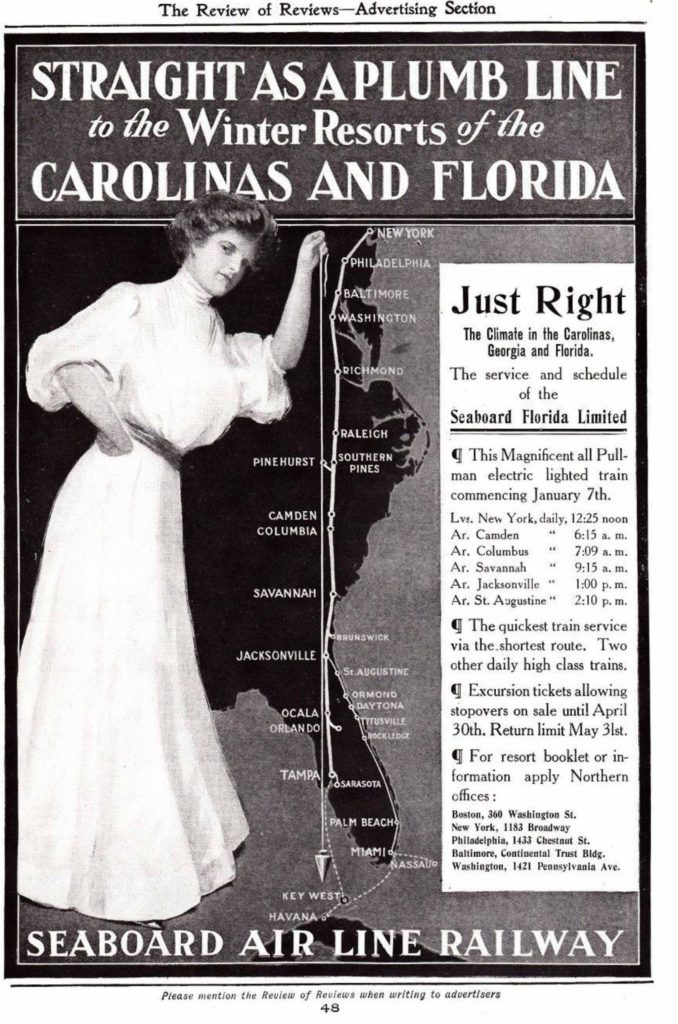
Seaboard Air Line Railroad began operation of its Orange Blossom Special on November 21, 1925. The luxury rail service was conceived by SAL’s president, S. Davies Warfield, to take advantage of the newfound interest and development in Florida, and ran in direct competition to the services offered by rival Henry Flagler’s Florida East Coast Railway.
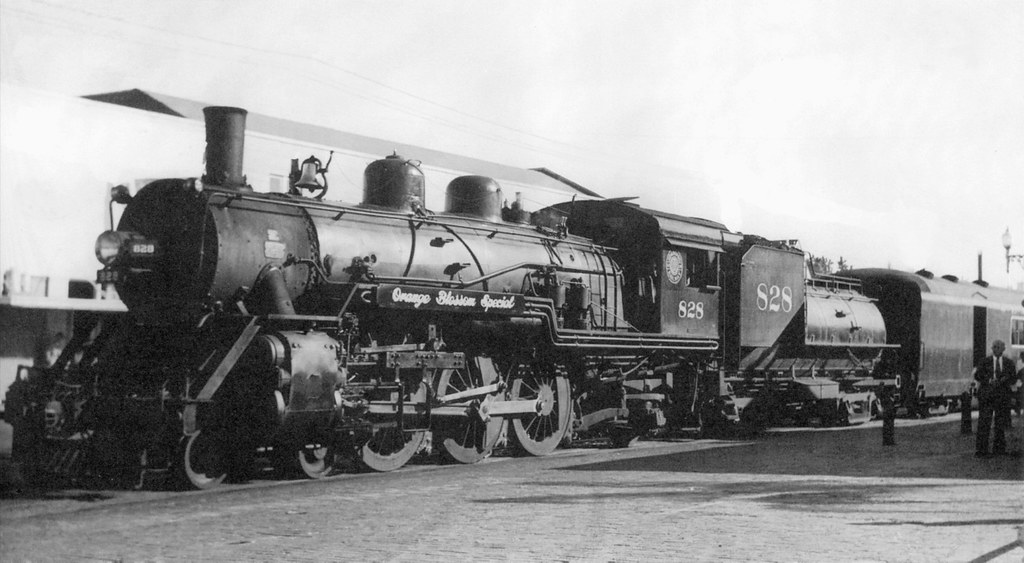
The Orange Blossom Special was seasonal and catered to the wealthy. Operating December through April, it allowed folks in the northeastern US to escape their harsh winters. Its route covered 1,389 miles beginning on the Pennsylvania Railroad from New York City to Washington, D.C.; then connecting to the Richmond, Fredericksburg and Potomac Railroad from Washington to Richmond, and finally over the Seaboard Air Line Railroad from Richmond via Raleigh, Columbia, and Savannah to Miami. In Wildwood, Florida the train would split, with a section traveling to Tampa and St. Petersburg.
In February 1926 the “Blossom” traveled the distance from New York to West Palm Beach in 35 hours. The route would not extend to Miami until 1927. As the SAL adopted diesel power the travel times were reduced.
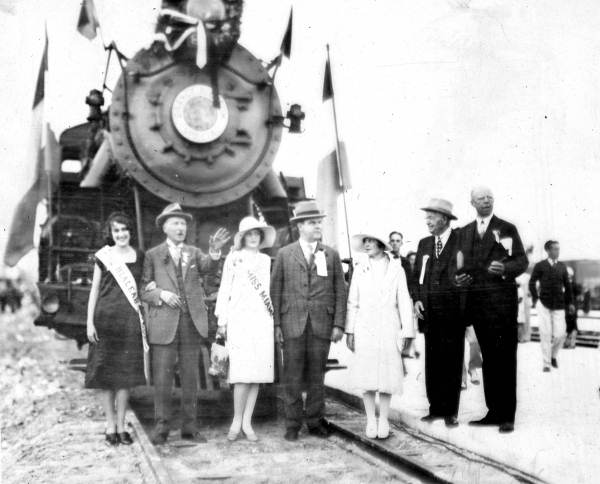
Despite the bursting of the real estate bubble, SAL president Warfield still believed in Florida as a land of opportunity to which he could lure influential, as well as wealthy business leaders, with his fast luxurious trains. The Blossom would typically depart New York after lunch, arriving in Wildwood, Florida by breakfast the next morning. After the train split in Wildwood, the sections would arrive at their Miami or St. Petersburg destinations by mid-morning to just after lunch.
As Seaboard president Davies sought to provide his passengers with the luxury, the Orange Blossom was indeed Special. Rogers Ernest Malcolm Whitaker, an editor of The New Yorker magazine who was known under the pen name of E. M. Frimbo, World’s Greatest Railroad Buff, offered this account of a dining car chef who had worked aboard the train:
“Our chef…spent nine of his forty-three years with the Pennsylvania Railroad as chef on the celebrated all-Pullman New York-to-Florida train the Orange Blossom Special—the most luxurious winter-season train ever devised by man. Nothing even remotely resembling a can opener was allowed on the premises. All the pies, cakes, rolls, birthday cakes were baked on board under his supervision. Cut flowers and fresh fish were taken on at every revictualing stop, and the train carried thirty-five hundred dollars’ worth of wine, liquor, and champagne—these at pre-Prohibition prices—for each run.”
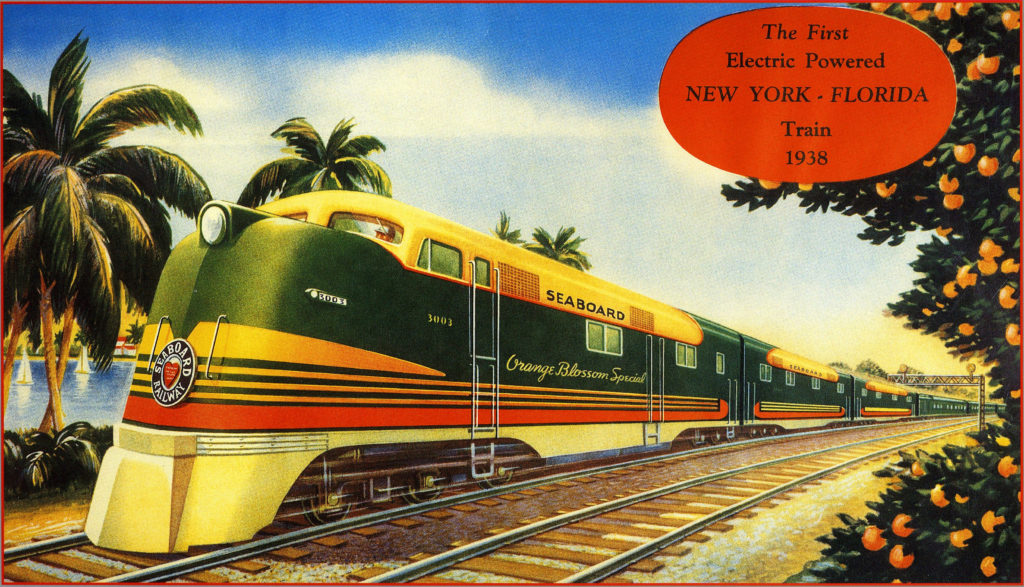
At its inception, the Orange Blossom Special’s power was typically provided by a Class M 4-8-2 steam locomotive. In October of 1938, SAL initiated the use of its new Electro-Motive E4 diesels to head the train. A 1941 timetable for southbound service shows the make-up of the train as follows: a club car, lounge, a diner, and nine sleepers, with extra cars on standby to satisfy high demand.
To accompany the train’s new diesel locomotive units, a special paint scheme was devised by General Motors artist Leland Knickerbocker, who was also responsible for Santa Fe Railroad’s “warbonnet” livery. Knickerbocker incorporated the lemon, lime, and orange colors of the Florida citrus trade into his design of what would become known as the Orange Blossom Special’s “citrus” livery. The artist would also apply for and receive patent number 113,563, for a “new, original, and ornamental design of a locomotive body.”
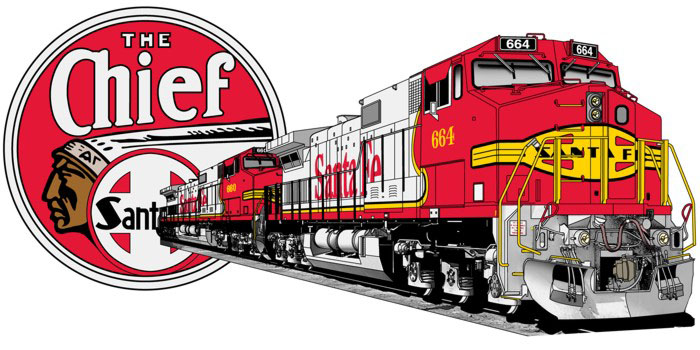
While the Orange Blossom Special’s service was interrupted during World War II, the train would continue its seasonal running through 1953, when it was replaced by Seaboard’s fully streamlined trains such as Silver Meteor and Silver Star.
“Hey talk about a-ramblin’
She’s the fastest train on the line
Talk about a-travellin’
She’s the fastest train on the line
It’s that Orange Blossom Special
Rollin’ down the seaboard line” – Orange Blossom Special (Rouse)
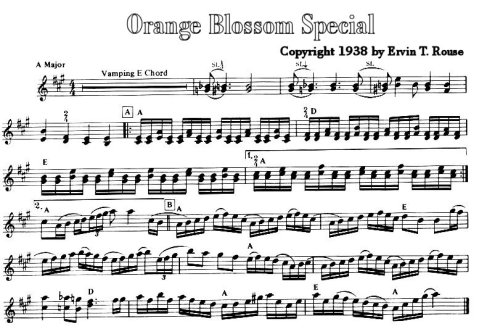
“Orange Blossom Special” – not the train, but the song – was written by Ervin T. Rouse in 1938. It was originally recorded by Ervin and his brother Gordon in 1939. A short time later the song was recorded by Bill Monroe (with Art Wooten on fiddle) and became a big hit. Originally written as an instrumental, lyrics were later added.
The song has become known not only for its imitation of train sounds, but also as a show-off piece for expert fiddlers, and has long been referred to as the fiddle player’s national anthem. By the 1950s the song had become a staple of bluegrass festivals. There are tales of the song being banned from bluegrass competitions, lest too many fiddlers choose it for the same event. One story tells of a festival in Georgia, where the fire extinguisher case sported the notice, “Break in case of the ‘Orange Blossom Special.’ ”
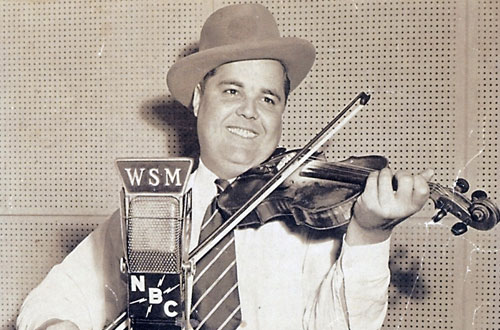
Over the years there have been others who have claimed to author “Orange Blossom Special”, including fiddler “Chubby Wise”, who popularized the song while playing it weekly on the Grand Ole Opry. According to Wise’s account:
“… even though it was about three in the morning we went right into the Terminal and got on board and toured that train, and it was just about the most luxurious thing I had ever seen. Ervin was impressed, too. And when we got done lookin’ ‘er over he said, “Let’s write a song about it.” So we went over to my place … and that night she was born. Sitting on the side of my bed. We wrote the melody in less than an hour and called it ‘Orange Blossom Special.’ Later Ervin and his brother put some words to it.”
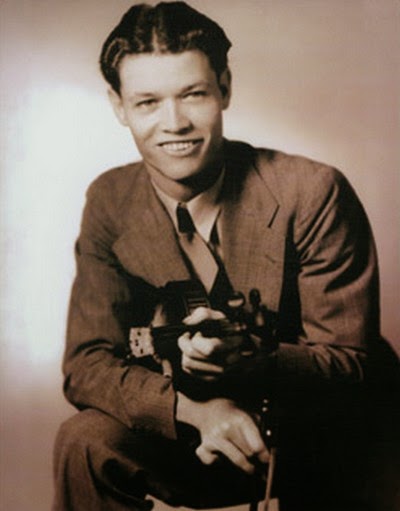
Ervin Rouse has been described as an unassuming, mild-mannered fellow who lived deep in the Florida Everglades and was never concerned about disputing Wise’s assertions. Once he was asked by a family member whether Wise had any involvement in composing the tune, to which Rouse is said to have replied, “Hell no!”
“Say man, when you going back to Florida?”
“When am I goin’ back to Florida? I don’t know, don’t reckon I ever will.”
“Ain’t you worried about getting your nourishment in New York?”
“Well, I don’t care if I do-die-do-die-do-die-do-die.” – Orange Blossom Special (Rouse)
In the words of Norm Cohen, author of Long Steel Rail: The Railroad in American Folksong:
“For many years, Orange Blossom Special has been not only a train imitation piece, but also a vehicle to exhibit the fiddler’s pyrotechnic virtuosity. Performed at breakneck tempos and with imitative embellishments that evoke train wheels and whistles, OBS is guaranteed to bring the blood of all but the most jaded listeners to a quick, rolling boil.”
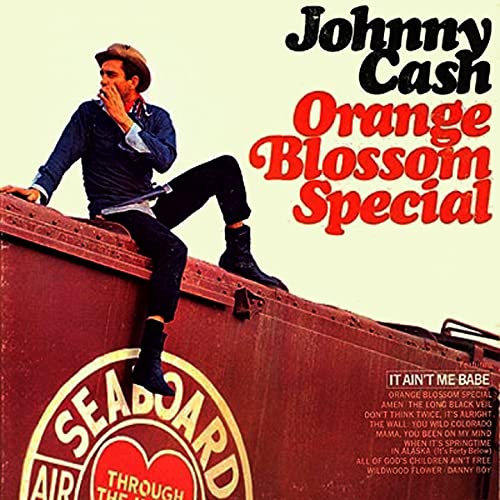
Johnny Cash titled his 1965 album Orange Blossom Special after the song while substituting harmonica & saxophone for the fiddle parts. Numerous other artists have covered the song, and it is estimated that OBS has appeared on more than 200 albums.
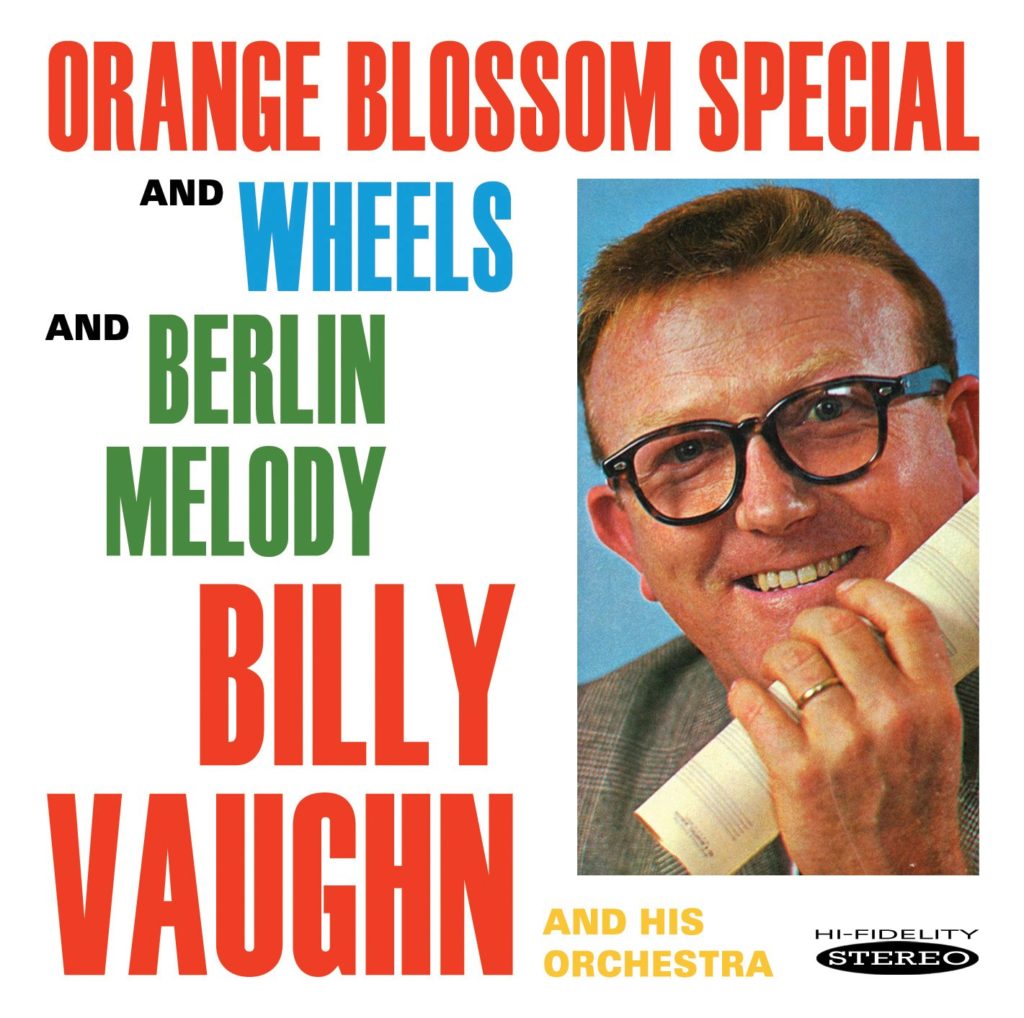
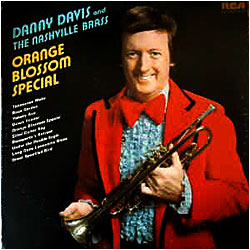

One such artist who was most definitely a master fiddler, and who made “Orange Blossom Special” a set-piece of his live repertoire was the recently deceased Charlie Daniels. While I can’t claim to have been well-acquainted with Daniels’ life or career beyond the familiar hits that were radio staples, upon his passing I learned just how revered he was in the music industry and the world of Country music at large. By all accounts, he was an outstanding human being, and never anything less than a gentleman. He was always willing and ready to help others when necessary and possessed an immense generosity that was bestowed upon many. And his work in support of American veterans is well noted and unsurpassed. It is to the life and career of this musical giant that I wish to dedicate this post devoted to another legendary train song.
“Look a-yonder comin’
Comin’ down that railroad track
Hey, look a-yonder comin’
Comin’ down that railroad track
It’s the Orange Blossom Special
Bringin’ my baby back” – Orange Blossom Special (Rouse)
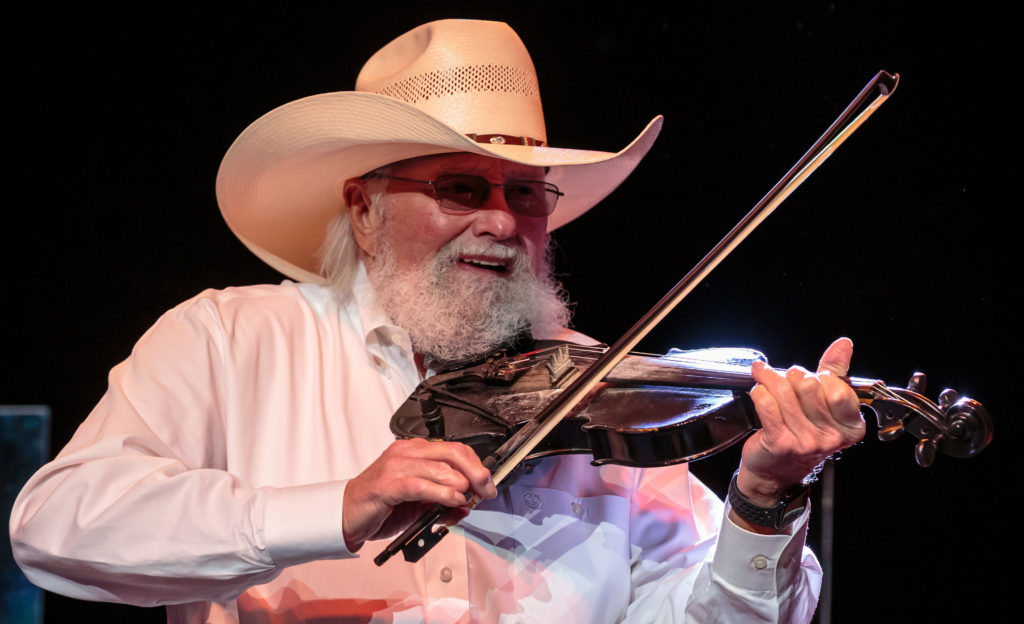
In memory of Charles Edward Daniels (October 28, 1936 – July 6, 2020)
Sources:
https://en.wikipedia.org/wiki/Orange_Blossom_Special_(song)
https://en.wikipedia.org/wiki/Orange_Blossom_Special_(train)
https://www.american-rails.com/orange.html
https://en.wikipedia.org/wiki/Florida_land_boom_of_the_1920s
https://en.wikipedia.org/wiki/Florida_East_Coast_Railway
All photos sourced through internet searches, none belong to the author.
]]>I’m worried about me
The curves around midnight
Aren’t easy to see
Flashing red warnings
Unseen in the rain
This thing has turned into
A runaway train” – Runaway Train (John Stewart) © BMG
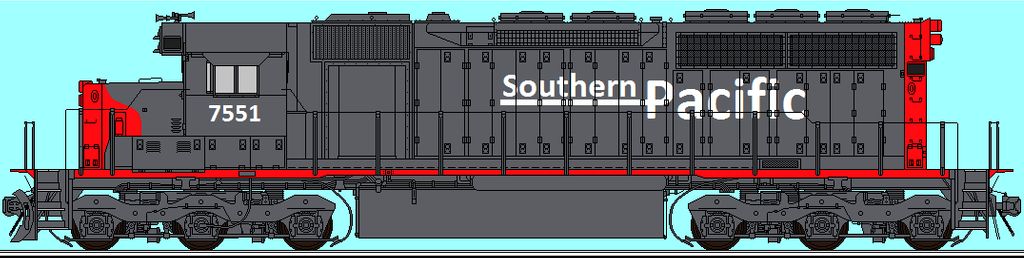
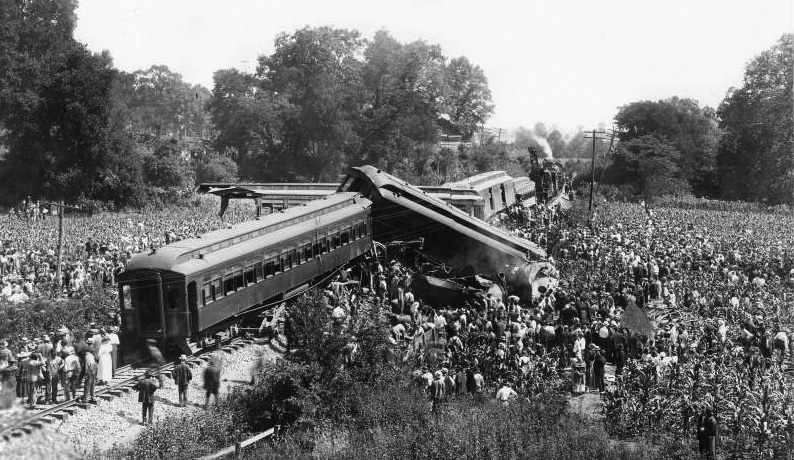
In the early morning hours of May 12, 1989, Southern Pacific freight train SP 7551 East was traveling through Cajon Pass into San Bernardino, California. The train was comprised of six locomotives and sixty-nine hopper cars loaded with trona.
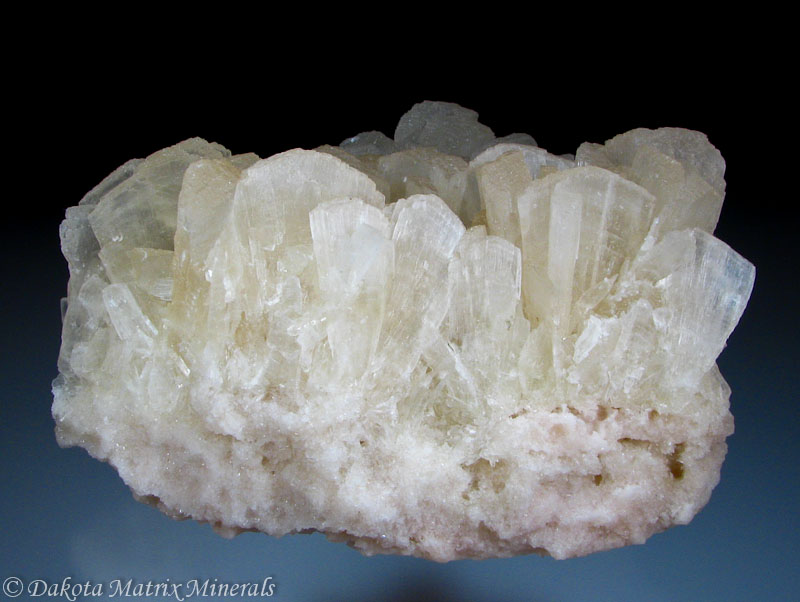
Trona is a non-marine evaporite mineral and is mined in California’s Mojave Desert as one of the primary sources of sodium carbonate in the United States.
A buyer in Colombia, South America, had purchased 6,900 tons of trona, which would be transported by train to the Port of Los Angeles, then by ship to its end destination. Lake Minerals had contracted to have sixty-nine 100-ton coal hopper cars loaded by an outside contractor. When the mining company turned in the final contract to the clerk for the bill of lading, no weight had been written-in, believing the railroad would know that the 100-ton cars had been filled to capacity.
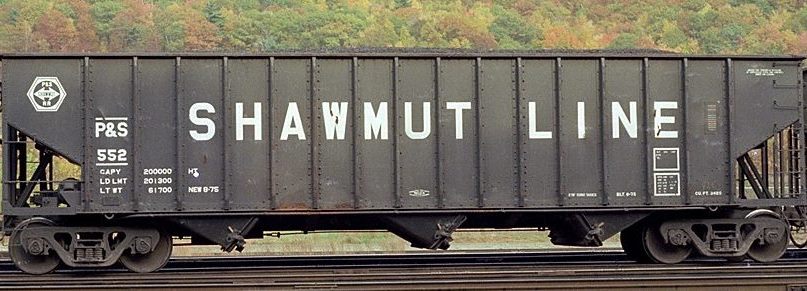
The clerk filled in the bill of lading as 60 tons per hopper car, going by a visual comparison of 100 tons of coal. As a result, the train was listed as weighing about 6,151 tons total (cars + trona), significantly lighter than its actual weight.
Later a dispatcher in the railroad office re-calculated the train’s tonnage to show correct weight, but this information was not passed along to the engineer, who believed that although not all of his six locomotives were fully functional, they should be sufficient to control the downhill speed of what had been reported to be a lighter than actual load.
“Blind boys and gamblers
They invented the blues
Will pay up in blood
When this marker comes due
To try and get off now
It’s about as insane
As those who wave lanterns
At runaway trains” – Runaway Train (John Stewart)
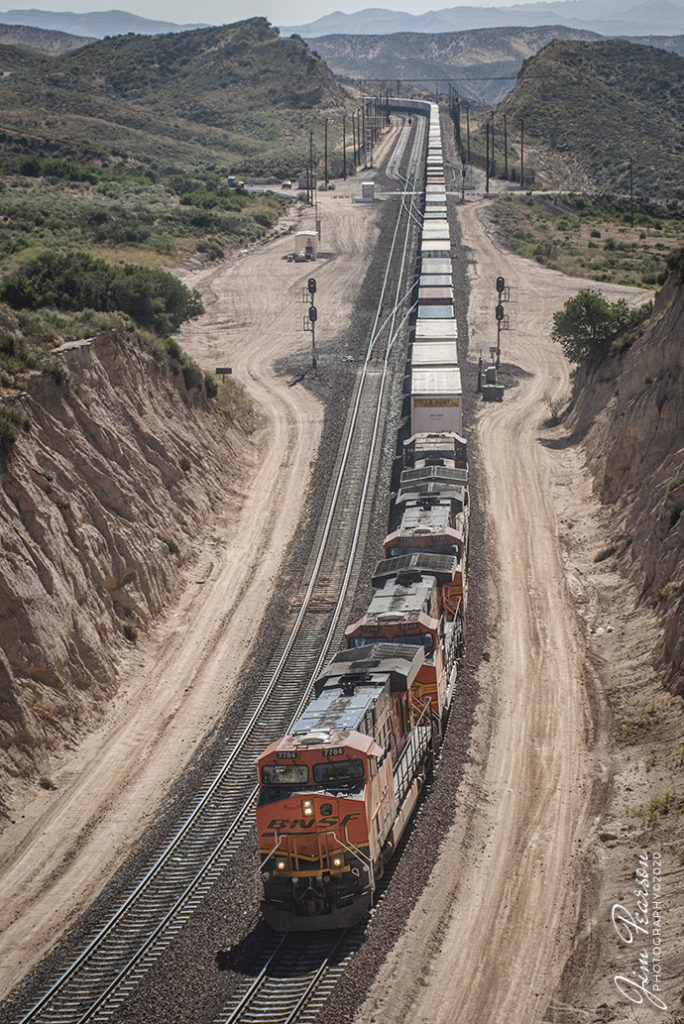
Shortly after cresting Cajon Pass, and beginning downhill on the south side, Engineer Frank Holland realized he was having trouble controlling his train’s speed. The train’s dynamic brakes worked optimally near a speed of 25 mph, but not all of the six locomotives had fully functioning dynamic braking systems. The air brakes of each of the hopper cars are most effective at speeds under 25 mph, and the train’s speed soon exceeded what the brakes could control.
As a last attempt to attenuate their downhill speed, the helper engineer initiated an emergency brake application from his helper locomotive, but this ended up disabling all of the dynamic brakes on the train, allowing the train to pick up speed. At this point, the only operational brakes were the individual car’s air brakes, which soon began melting from the friction and heat.
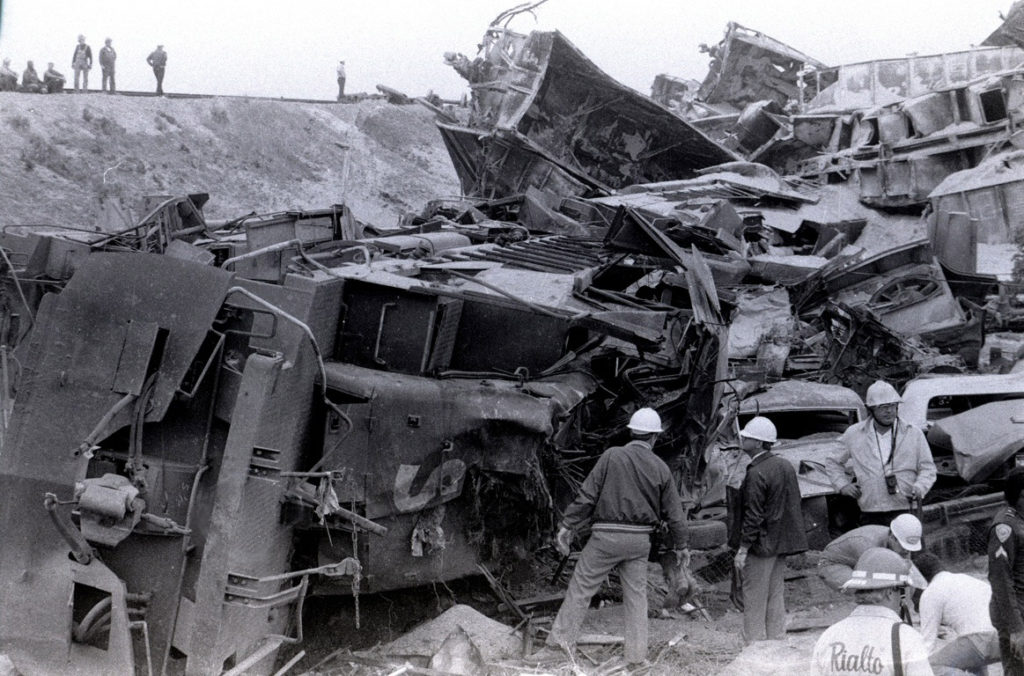
As the train entered a four-degree curve just north of the Highland Ave overpass in San Bernardino – a curve that had an authorized maximum speed of 40 mph – the train was calculated to be traveling in excess of 100 mph. The train derailed and plowed into the houses along the outside of the curve, destroying all but one. The remaining home was destroyed days later by a fire that resulted from the rupture of an underground petroleum pipeline that was damaged during cleanup efforts.
San Bernardino/Duffy Street . . . 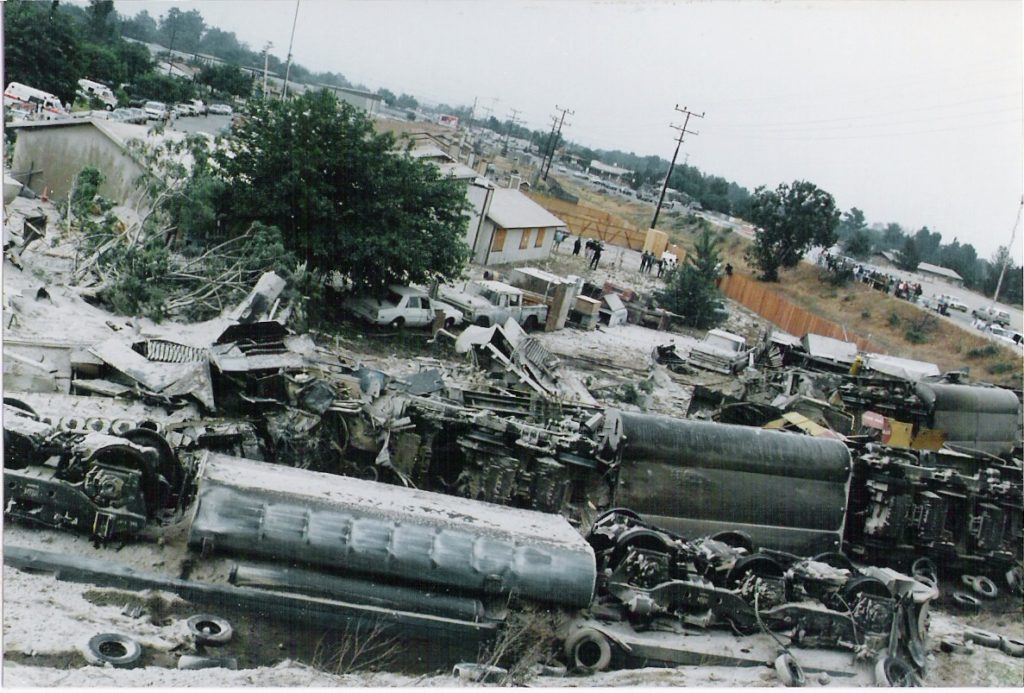
. . . train disaster
The conductor, head-end brakeman, and two residents were killed in the train derailment. Seven houses on the street immediately next to the tracks were demolished by the wreck, as were the lead locomotives and all of the freight cars. Six hundred and eighty feet of track were also destroyed.
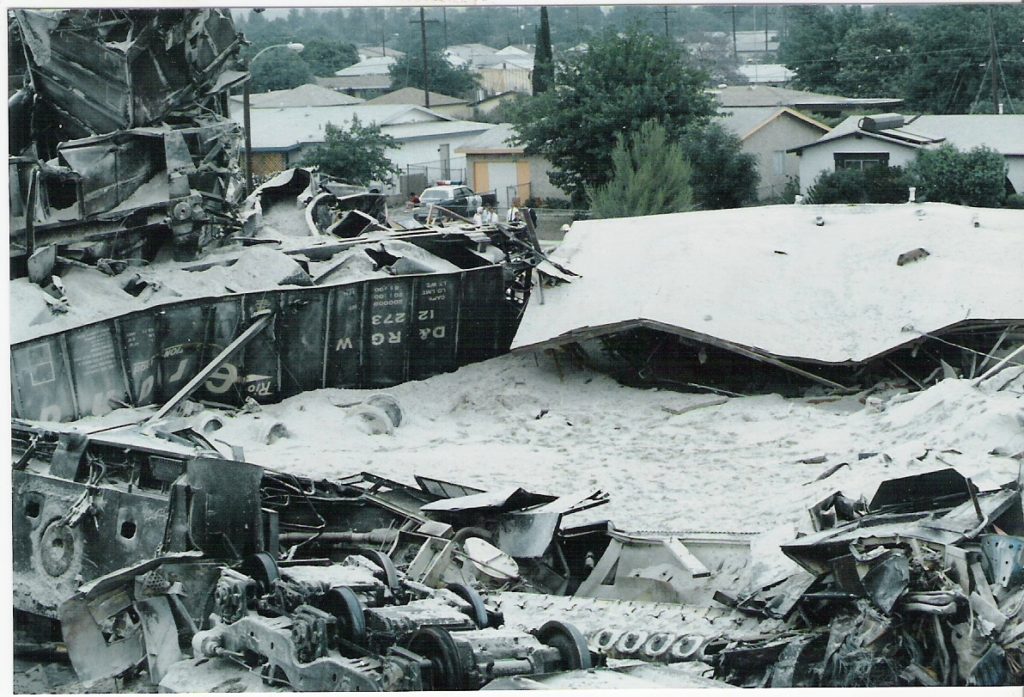
San Bernardino/Duffy Street . . . 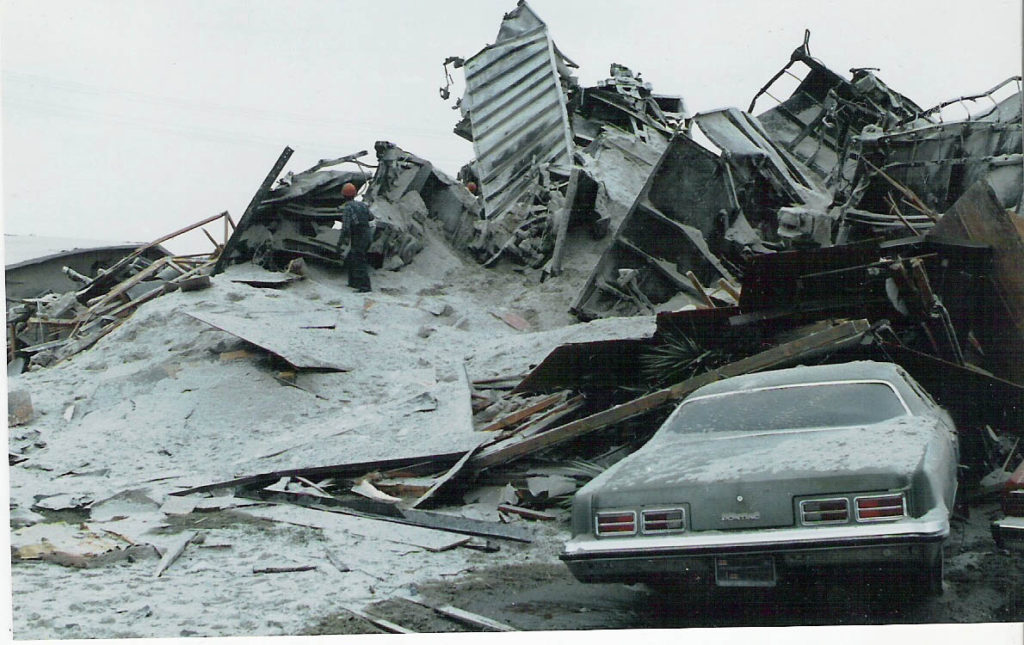
. . . train disaster
The fire from the ruptured pipeline burned for close to seven hours and emitted a plume of flames three hundred feet into the air. It fatally burned two people and destroyed eleven more houses and 21 cars. The total property damage was $14.3 million, with more of this damage resulting from the fire than from the train derailment.
“And what are the choices
For those who remain
The sign of the cross
On a runaway train
This thing has turned into
A runaway train
Our love has turned into . . . a runaway train” – Runaway Train (John Stewart)
Trains have long been used as metaphors, not only in our literature and culture but also personally. How many of us have not had a life experience – or two – that we might have characterized as a “train wreck”? And we have surely used that expression to describe the predicaments of others.
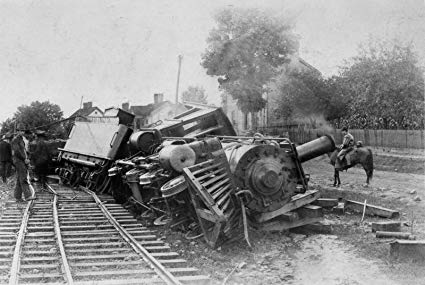
As I was looking at songs that might have been appropriate for a post about runaway trains, I found it interesting that we most often use the term while referring to personal relationships, emotional upheavals, love gone bad. It would seem that the analogy springs from the realization that we are involved in a situation of which we are no longer in control, and as we see in the runaway train story above, once that control is lost it can be extremely difficult, if not impossible to regain.
“Headlights on the ceiling as she pulls into the drive
She never says she’s coming, she never says goodbye
She’s gonna bring the sunshine and she’s gonna bring the rain
It’s like I’m standing at the station and I’m waiting on a runaway train
“Runaway train coming down the track
Runaway train and don’t come back” – Runaway Train (Kelley Lovelace) © Sony/ATV Music
One of my blog followers at A Train Song shared his own experience of being at the throttle of a runaway train. He begins:
“I crested the mountain all happy and confident, then as the end of the train began [its] downhill roll, it became evident that . . . dynamic braking . . . and the skills of many years were not slowing [the train’s descent].
(Dynamic braking is the use of an electric traction motor as a generator when slowing a vehicle such as an electric or diesel-electric locomotive. Dynamic braking reduces wear on friction-based braking components.)
He explains that knowledge of the terrain and dynamic braking are an engineer’s essential tools in train operation and control. “The only way to stop and hold a train is with air; if you have a runaway train, there is an air loss problem.”
He continues:
“I had a 22,000-ton coal train I could not stop, only had two engines [and] I was less than a mile from Lake Erie at Sandusky. Three engines stopped in front of me to hold my train back; [my] train would stop, but the slack would roll in and move us five engine lengths.”
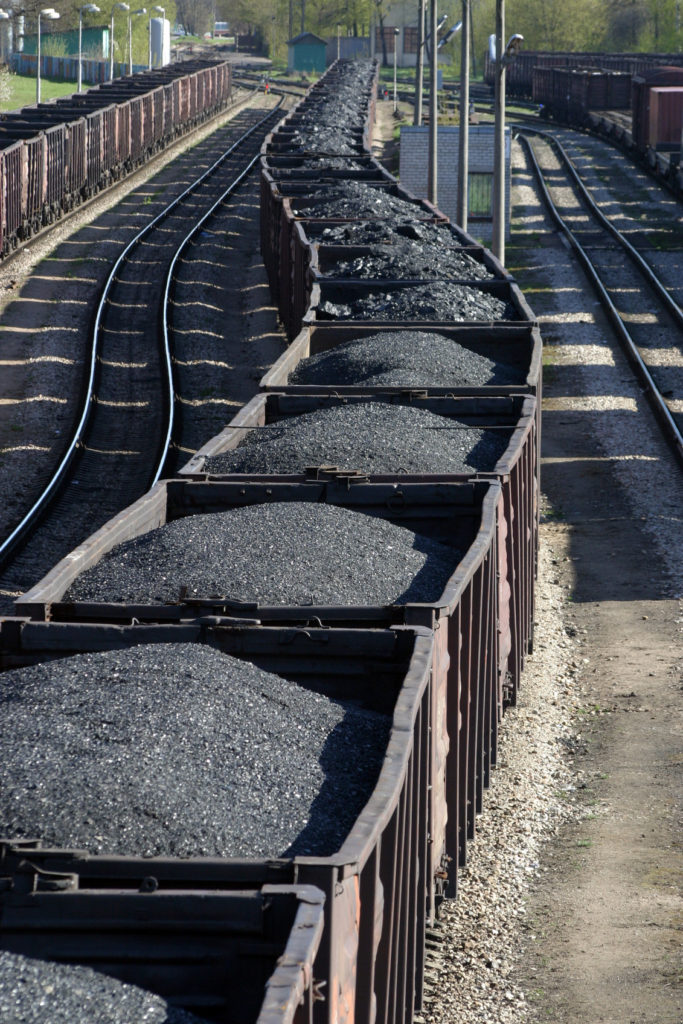
He mentions that his train consisted of just more than 200 coal hoppers, each loaded with 100 tons, indicating that there would have been plenty of slack to keep his train “inching” forward.
But the train was finally stopped, the payload preserved, and engineer Joe lived to tell his tale, although it would surely be difficult for any of us who have never been in such dire straits to imagine the helplessness and anxiety felt in those moments.
“In the morning when I wake and find that woman gone
I will swear this time that I’m finally moving on
Deep down in my heart, I know nothing’s gonna change
And I’ll be standing at the station and waiting on a runaway train
“Runaway train coming down the track
Runaway train and don’t come back” – Runaway Train (Kelley Lovelace)
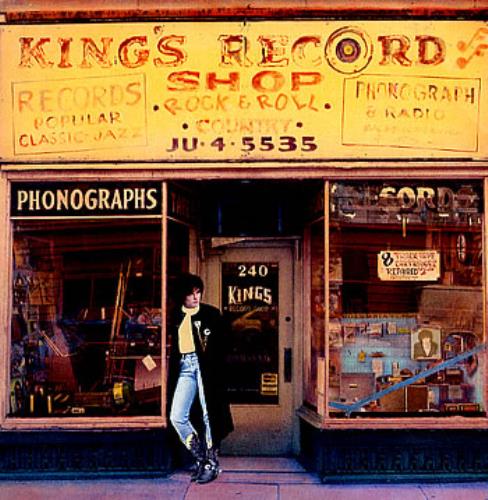
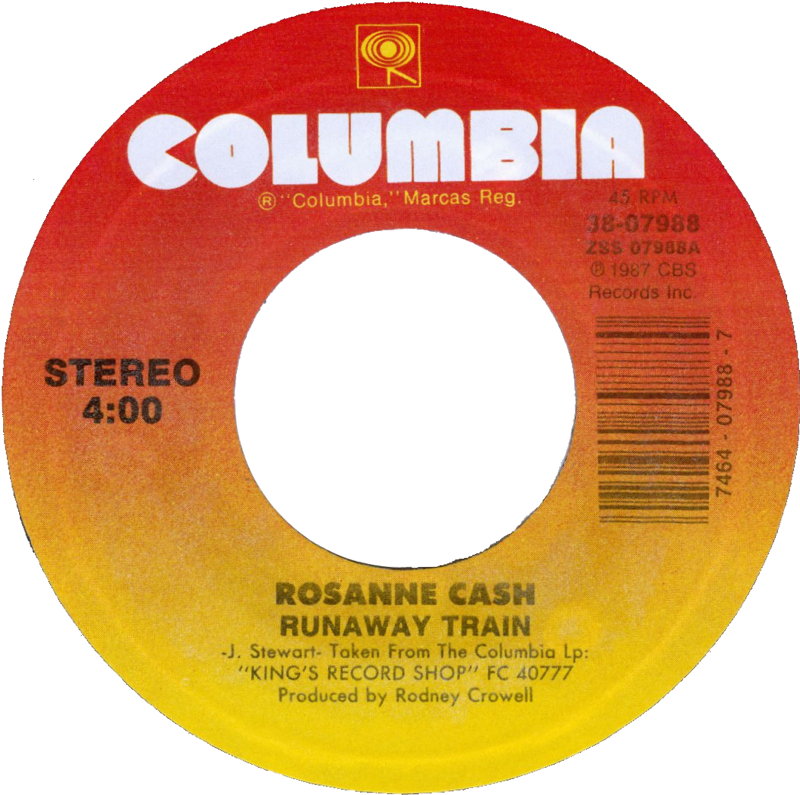
Rosanne Cash’s recording of John Stewart’s song, “Runaway Train”, was released in July 1988 as the fourth single from her album King’s Record Shop, and was produced by her then-husband, Rodney Crowell. It became Cash’s ninth #1 hit on the country chart as a solo artist. The single spent a week at the top spot while remaining in the top 40 for a total of 14 weeks
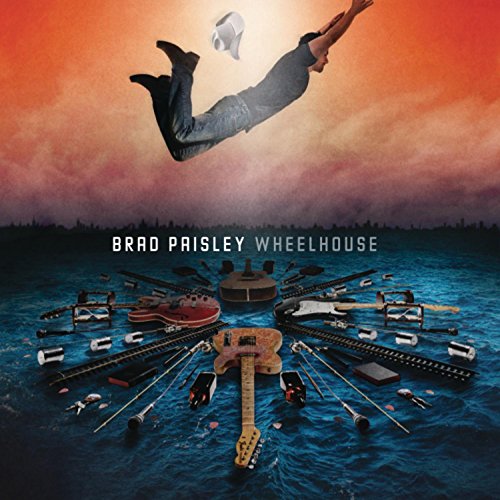
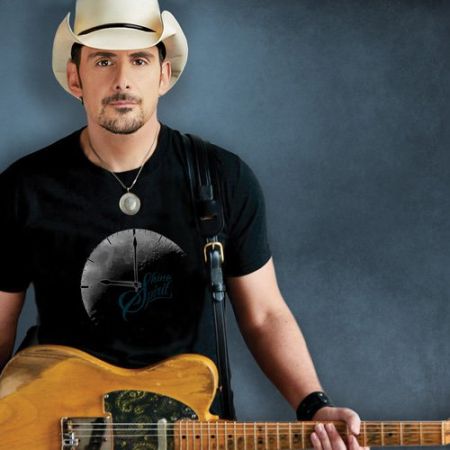
“Runaway Train”, is a track included on Brad Paisley’s ninth album, Wheelhouse. The song was co-written by frequent Paisley collaborator, Kelley Lovelace. Wheelhouse debuted at #1 in the Billboard Top Country Albums chart, selling over 100,000 copies in the first week, making it Paisley’s seventh number one album. The album also reached #2 in the Billboard 200 chart.
Listen to (and watch) Rosanne Cash and Brad Paisley sing about their own versions of a runaway train and watch Brad trade some “hotshot” licks with David Letterman’s keyboardist & musical director, Paul Shaffer.
Also included below is a computer simulation of the 1989 San Bernardino train derailment, with actual footage of the cleanup & subsequent fire.
Sources:
https://en.wikipedia.org/wiki/San_Bernardino_train_disaster
https://en.wikipedia.org/wiki/Runaway_Train_(Rosanne_Cash_song)
https://en.wikipedia.org/wiki/Wheelhouse_(album)
https://en.wikipedia.org/wiki/Trona
All photos sourced through internet searches, none belong to the author.
]]>B & O’s my middle name
I’m goin’ where that whistle wails
And that’s why I’m ridin’ the rails” – Ridin’ the Rails (N. Claflin/ A. Paley) © Sire Records
So goes the opening verse of “Ridin’ the Rails”, a song included in the 1990 Warren Beatty directed film, Dick Tracy. Based on the comic strip of the same name which made its debut in the Detroit Mirror in October 1931, the movie is likewise set in the 1930s. Most of the songs included in the film’s soundtrack are styled after the music of that era.
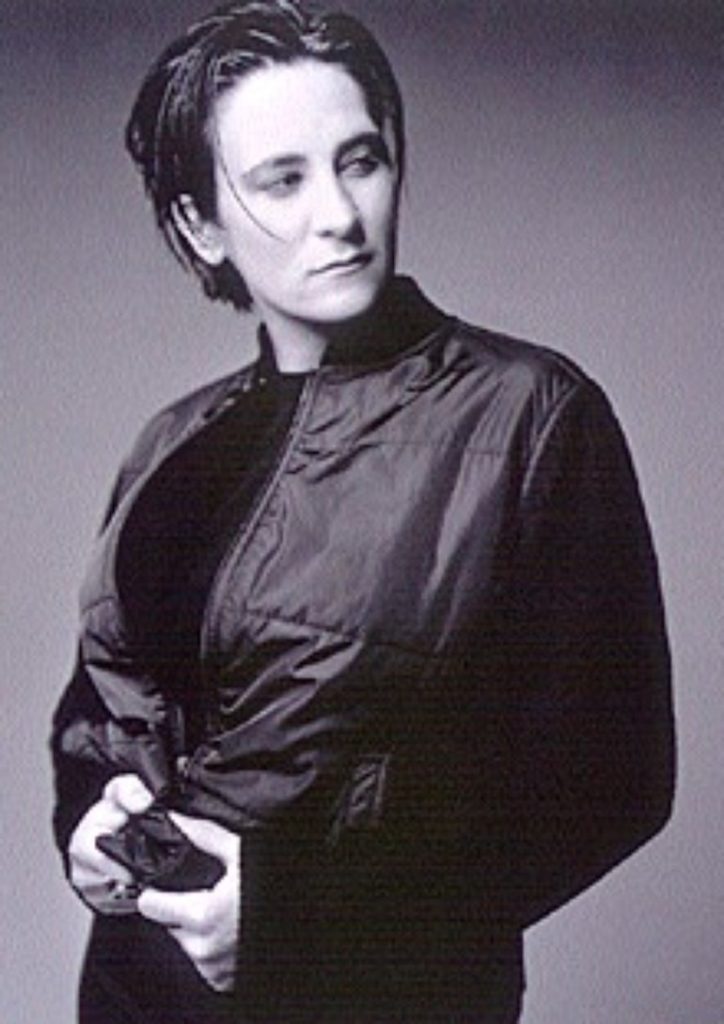
k. d. lang 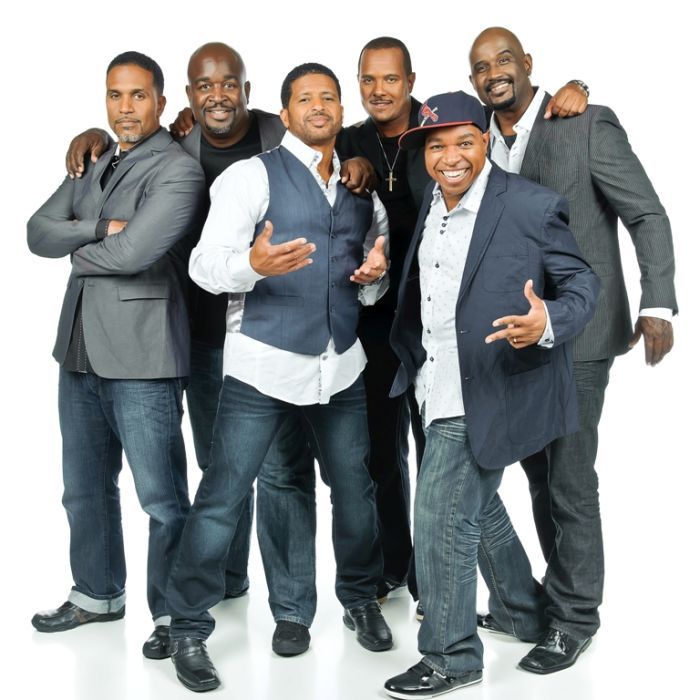
Take 6
Though “Ridin’ the Rails” is essentially a novelty tune, and doesn’t appear prominently in the film, I happen to be a fan of the recording and its jazzy tone. I’ve always admired the mellow voice of k. d. lang and the harmonies of Take 6 are impeccable. The video, featuring lang and the vocal group, is highly stylized, with the vocalists’ performances interspersed with clips from the Beatty film.
“Hoboken, New York, PA
60 seconds is all I’ll stay
Keeps me outta county jails
And that’s why I’m ridin’ the rails” – Ridin’ the Rails (N. Claflin/ A. Paley)
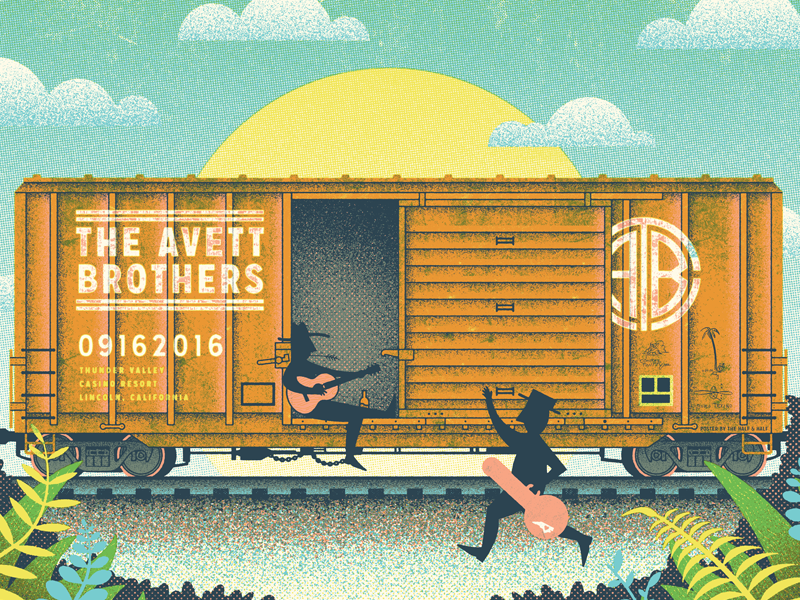
Popular culture has greatly romanticized the vagabond tradition of “hopping a freight” to get from one place to another. Although this mode of travel has always been illegal, and inherently dangerous, there remains no shortage of practitioners, even today, when video surveillance, and tightened rail yard security have made surreptitiously climbing aboard a freight train all the more difficult.
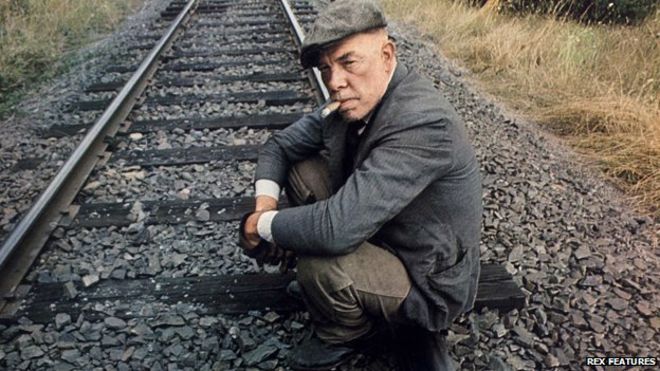
Back in the day, when hoboes first began “catching out” on freight trains, there were no other means of transport that offered the chance to travel great distances in short periods of time. Many made the choice to ride the rails out of necessity, while others may have been drawn by the allure of something forbidden, or just as a means of escaping the drudgery of routine life.
“Oh, leave Kentucky
Or the fields of Alabam’
Roomin’ with a box of nails
Or peanuts and yams
Got no next of kin
And there’s no one in my will
Only thing I’m scared of
Is standin’ still” – Ridin’ the Rails (N. Claflin/ A. Paley)
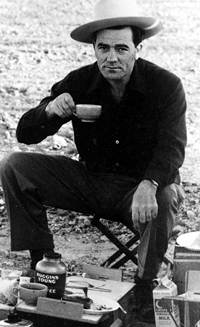
Louis L’Amour 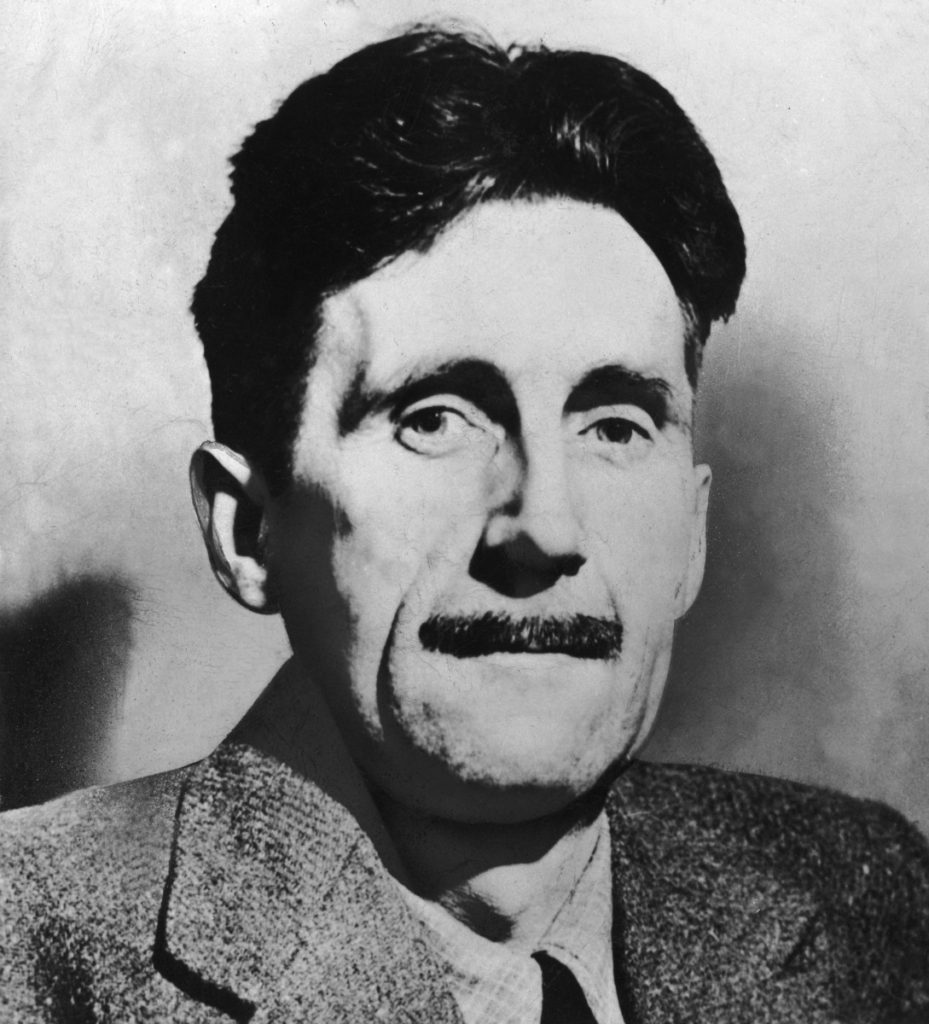
George Orwell 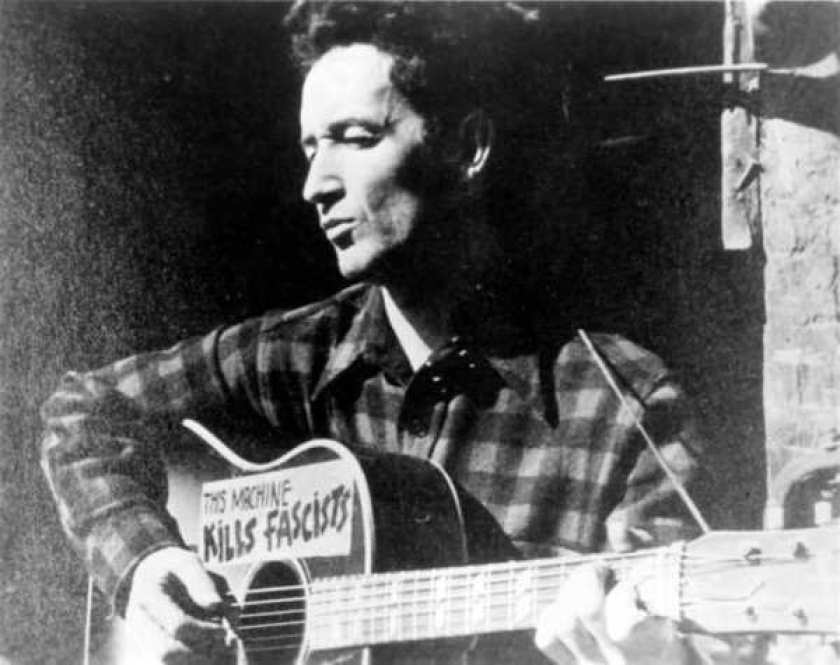
Woody Guthrie
Many notable figures of popular culture spent time riding the rails while engaging in the hobo way of life. This list includes Louis L’Amour, George Orwell, Carl Sandburg, Woody Guthrie, Robert Mitchum, and Jack Kerouac, to name a few. Jack London, who spent 30 days in jail in New York for vagrancy, and accompanied Kelly’s Army across the country, wrote about his hobo experiences in his short memoir, The Road.
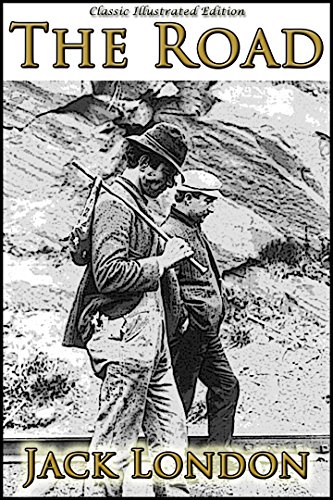
As to his reasons for choosing to pursue the transient lifestyle of the bindle-stiff, or “stiff”, as London calls them, he writes in The Road:
“Every once in a while, in newspapers, magazines, and biographical dictionaries, I run upon sketches of my life, wherein, delicately phrased, I learn that it was in order to study sociology that I became a tramp. This is very nice and thoughtful of the biographers, but it is inaccurate. I became a tramp – well, because of the life that was in me, of the wanderlust in my blood that would not let me rest. Sociology was merely incidental; it came afterward, in the same manner, that a wet skin follows a ducking. I went on ‘The Road’ because I couldn’t keep away from it; because I hadn’t the price of the railroad fare in my jeans; because I was so made that I couldn’t work all my life on ‘one same shift’; because – well, just because it was easier to than not to.”
London is clear in expressing that just getting from one place to another is not always the primary inducement to riding the rails.
“I’ll ride ’til I’m dead
Boxcar’s my only bed
That’s home when all else fails
That’s why I’m ridin’ the rails” – Ridin’ the Rails (N. Claflin/ A. Paley)
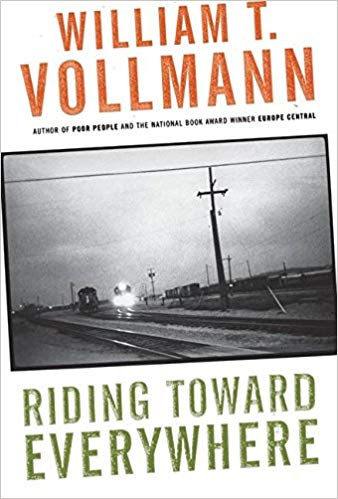
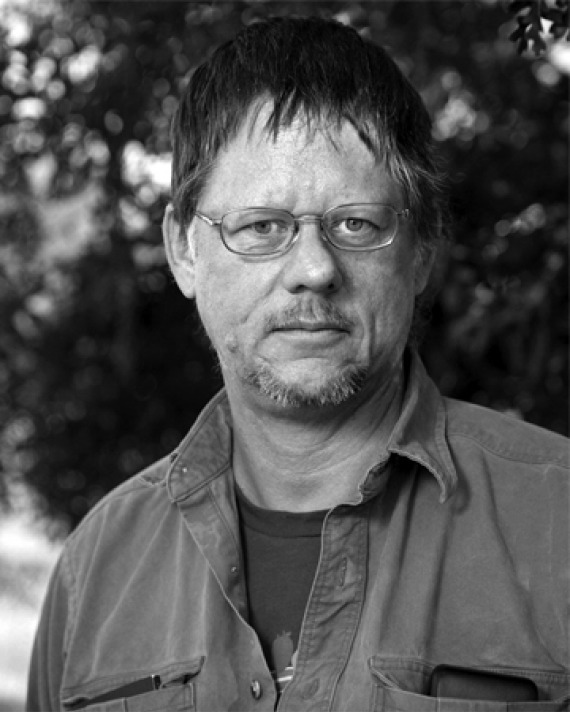
Author, William T. Vollman, in his train-hopping paean, Riding Toward Everywhere, details his experiences with “catching out”, sometimes alone, sometimes with his more experienced friend, Steve. His is a modern commentary on the hobo traditions, where security is tighter, and the trains move considerably faster than in days of old. Some notable quotes from Vollman’s book:
“Freight train rides are parables”
“On the iron horse, I can experience the state of unlimited expansion”
“I saw it, and then it was gone”
“ . . . we clickety-clacked away into our dreams”
“More hours went by, as empty as the tracks themselves”
“’Someone’s hiding’, he chuckled, like a wicked giant in a fairy tale” (while hiding in the darkness from a yard “bull”)
“I am free and for some indefinite period, which while it lasts is as good as forever, my own sad life, with its rules, necessities and railroad bulls, will not be able to catch me”
“When we reached the head locomotive we saw that it was dark; the engineer must have gone home long since; our decision to leave this cold train was thus proven to be in the same spirit of prudence which is manifested by the lice that leave a corpse. What proud parasites we were!”
Vollman also laments that riding the rails is not as easy as it once was – “The technology is changing, so there are fewer boxcars and more container cars,” he says. “Everything is ridable to an expert, but . . . there are no experts.”
“Brushfire Billy
And his buddies, Ned and Slim
Nine years back in Provo
Was the last I saw of him
Brakeman, leave me be
Let this hobo rest his bones
Sleep will overtake me
When that diesel moans” – Ridin’ the Rails (N. Claflin/ A. Paley)
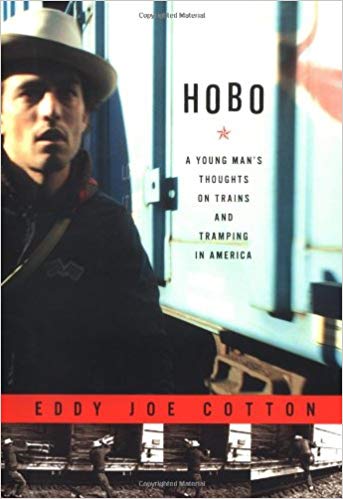
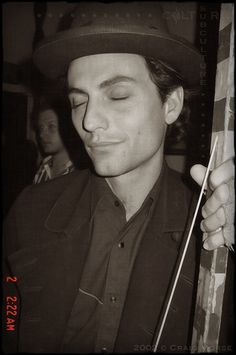
Eddy Joe Cotton (real name Zebu Recchia) is an author, hobo poet, and ringleader of the Yard Dogs Road Show. As a nineteen-year-old, he set out tramping from his father’s home in Denver, Colorado. He details his freight hopping experiences in his bestselling book, Hobo: A Young Man’s Thoughts on Trains and Tramping in America. Though the world of tramps & hoboes is most often dirty, seedy & coarse, all of which is reflected in his memoir, Cotton renders his tales in a decidedly poetic tone:
“In the silence between trains, you can hear your toes wiggle in your boots. I had gone a thousand miles on one pair of socks. There was a turkey vulture up in the air, looking for ghosts. On the hills where the tracks disappeared a cold rain fell like needles and the hidden sun glowed silver through the broken clouds. I lay back on my bedroll and closed my eyes”
“Black diesel billowed up from the head end of the train. There were four monster locomotives up there, pulling boxcars like sled dogs and coughing smoke out of their big diesel smoke-stacks. The bark of those diesel engines held the cry of a million pistons and cracked the silence in the Wyoming prairie apart”
“I rolled up in my poncho, lay down on the floor of the car, and watched rusty paint flakes dance in the corner. I daydreamed of carefree America: casino coffee . . . white motel sheets, showers with soap, and shingled roofs. I knew that when those foothills ate the sun our boxcar would freeze solid again, and there wasn’t a thing I could do about it”
“In this business of tramping, it’s impossible to hold onto anybody or anything, and as a result, I have become a lonely man”
“That country’s long and wide
The Santa Fe’s my bride
I’ll hop her when she sails
That’s why I’m ridin’ the rails” – Ridin’ the Rails (N. Claflin/ A. Paley)
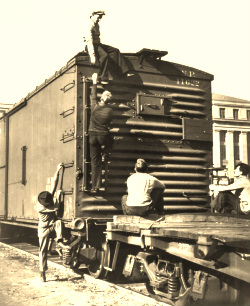
Pete Aadland, executive director of the rail safety charity California Operation Lifeline that promotes safety on the rails, dismisses the notion that train hopping today provides an authentically American experience or any real connection with the spirit of the 1930s.
“There was no work, there was no food, so tens of thousands of men would use the railroads to get to where they could, maybe find a job,” he says.
“That lure, I think, probably remains today. But I would say that it’s not romantic, it’s illegal and it’s dangerous.”
“Losing limbs is very common,” he says. “Loads can shift when you’re inside of a car. Doors can close and lock – you starve and die of thirst.”
And yet, as long as there are trains rollin’ down a track to some destination somewhere, and as long as there are dreamers longing for an adventure, surely there will be hoboes & tramps riding the rails to . . . . .
Wherever!
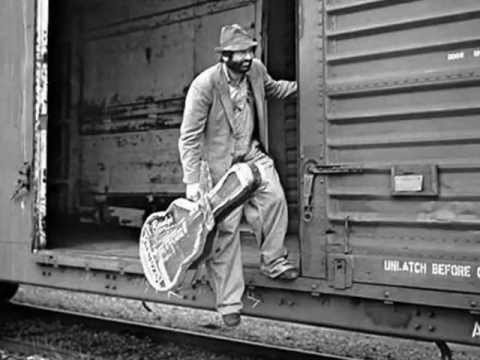
“I’m ridin’, I’m slidin’
I won’t last too long
Got a bandana and a whistle for a song
There ain’t no wheels on the floor of a jail
That’s why I’m ridin’ the rails” – Ridin’ the Rails (N. Claflin/ A. Paley) © Sire Records
That’s why they’re ridin’ the rails!
Sources:
https://www.bbc.com/news/magazine-20756990
The Road, by Jack London
Riding Toward Everywhere, by William T. Vollman
Hobo, by Eddy Joe Cotton
All photos sourced through internet searches, none belong to the author.
]]>I hear it just at hand
I hear the car wheel rumblin’
And rollin’ thro’ the land” – The Gospel Train (Traditional)

Harriet Tubman was the most famous conductor on the Underground Railroad. She was born a slave in Dorchester County, Maryland, sometime between 1820 – 1822. Called Araminta Ross at birth, she took the name Harriet (Tubman was her married name) when she escaped from a plantation with two of her brothers in 1849.
Tubman returned to the Maryland plantation several times, to rescue family members and other slaves. On one of her trips, she tried to convince her husband to come with her, but he had remarried and refused to leave.
Tubman would eventually make some 13 forays back into Maryland to rescue as many as 70 people. One group at a time she would bring with her out of the state, traveling by night in extreme secrecy. She became known as “Moses”, and “never lost a passenger”.
After the Fugitive Slave Act of 1850 was passed, allowing runaway slaves to be retrieved from Northern “free” states to be returned to their owners in the South, Tubman began guiding the fugitives farther north, into Canada.
John Brown 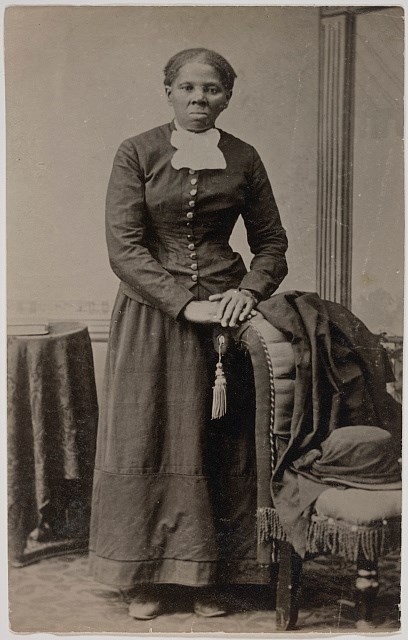
Harriet Tubman
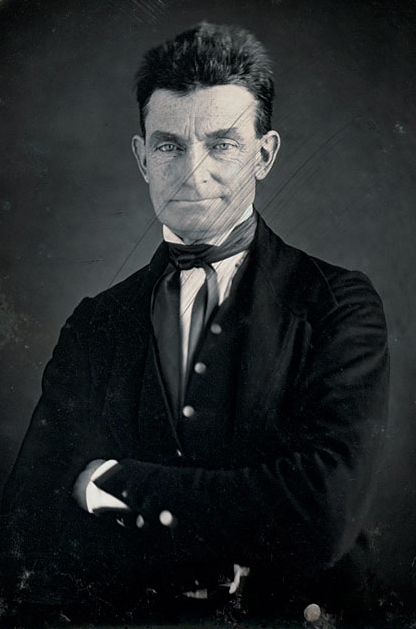
In 1858 Harriet Tubman met John Brown, helping him plan and recruit supporters for his 1859 raid on the federal armory in Harpers Ferry, Virginia (now West Virginia), for which Brown was eventually tried and hanged for treason.
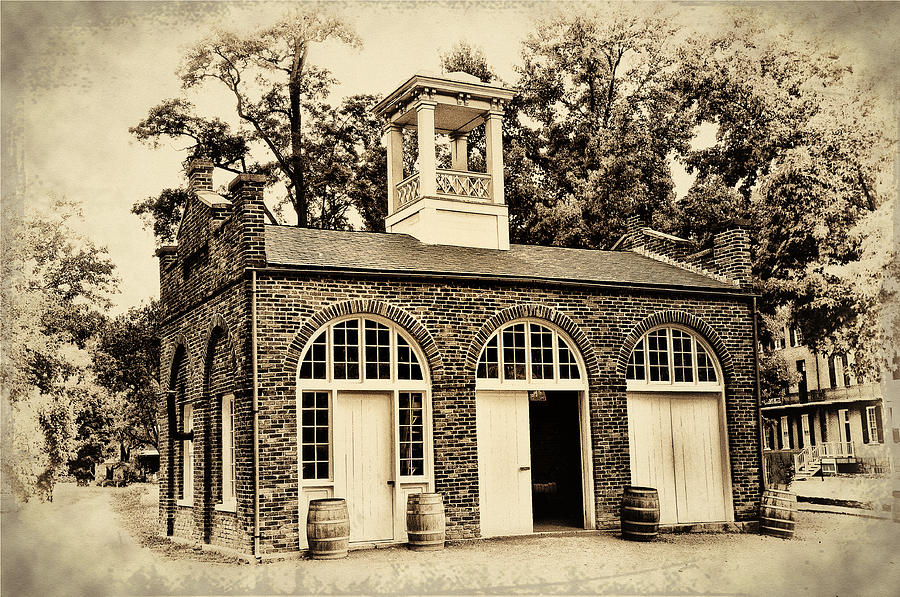
During the Civil War Tubman served the Union Army in a number of capacities, first as a cook and a nurse, later as an armed scout and spy. She was the first woman to lead an armed expedition in the war, when she guided the raid at Combahee Ferry, liberating more than 700 slaves.
“Get on board, little children
Get on board, little children
Get on board, little children
There’s room for many more” – The Gospel Train (Traditional)
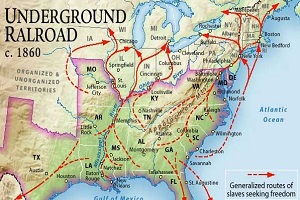
The Underground Railroad was a secret network of routes and safe houses established in the US as early as the late 18th-century. The network was begun by abolitionist groups to aid African-American slaves in escaping to Northern free states and later, after the passage of the Fugitive Slave Act, into Canada.
The Quakers are considered the first group to actively help slaves escape bondage. George Washington claimed in 1786 that Quakers had attempted to “liberate” one of his slaves. In the Early 1800s Quakers in Philadelphia, and in North Carolina began organizing routes and shelters to aid escaping slaves.
The earliest mention of the Underground Railroad came in 1831 when a slave owner blamed an “underground railroad” for helping one of his slaves escape to freedom from Kentucky into Ohio. Then in 1839, a Washington newspaper reported an escaped slave named Jim having revealed, under torture, his plan to go north following an “underground railroad to Boston.”
In the 1830s, vigilance committees were created in New York and Philadelphia to help protect escaped slaves from bounty hunters. Soon their activities expanded to guiding fugitive slaves, and the term Underground Railroad became part of the American vernacular.
“I hear the train a-
She’s comin’ round the curve
She’s loosened all her steam and brakes
And strainin’ ev’ry nerve” – The Gospel Train (Traditional)
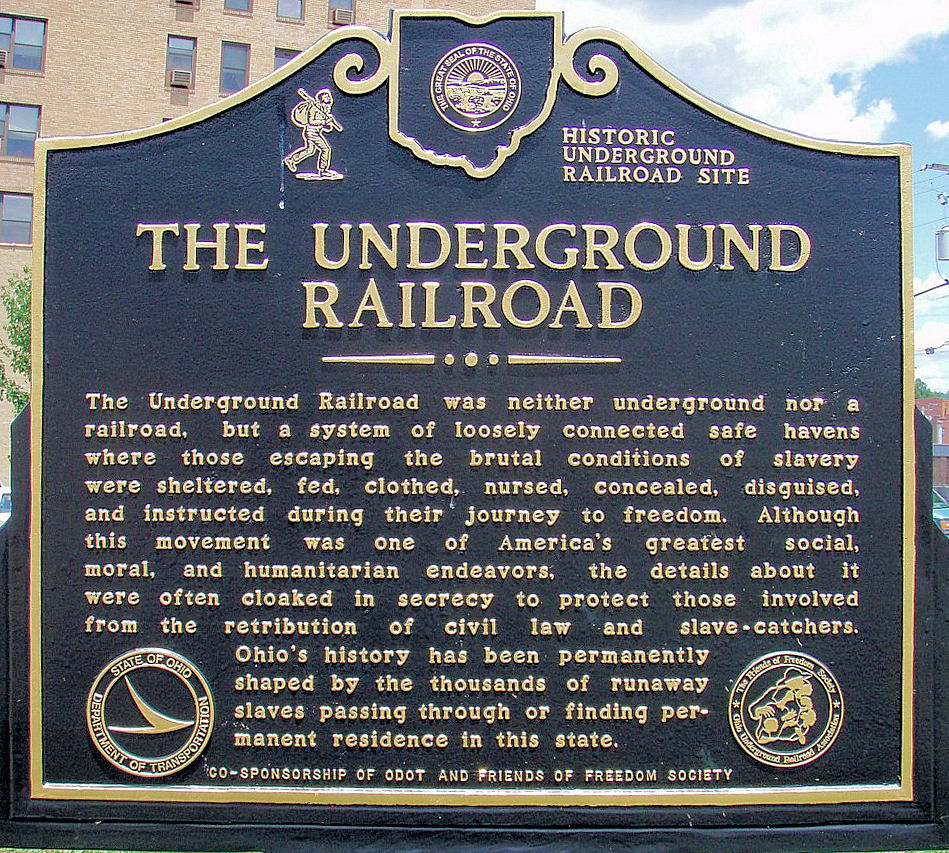
The Underground Railroad was not literally underground or a railroad. It was “underground” in the sense that it was organized and functioned in extreme secrecy. To reduce the risk of discovery, many of the people involved knew only their part of the route or scheme, with instructions becoming “coded” and using familiar railroad terminology.
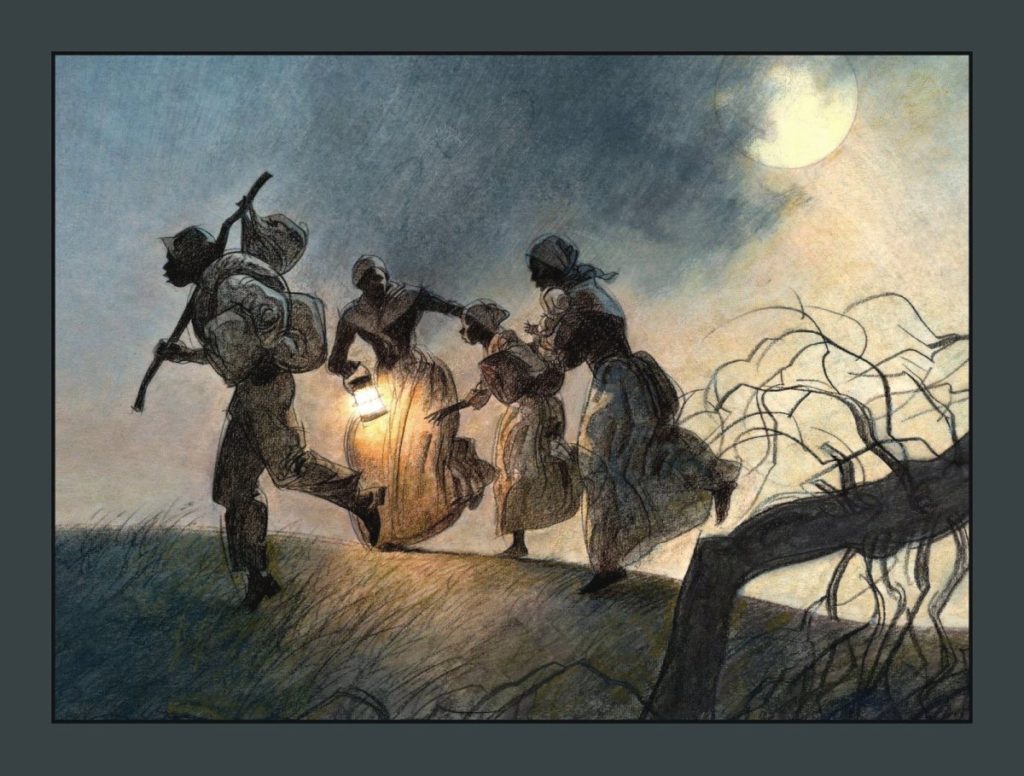
Fugitive slaves traveled in small groups at night, led by a “conductor”, who would guide them 10-20 miles at a time, to the next “station” or “depot”, where they would rest during the day, typically hidden in a barn, under a floor, or in a cave. The depots were operated by a complicit “stationmaster”.
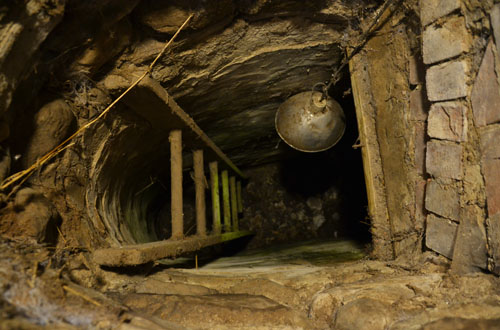
“Stockholders” were abolitionist supporters who may not be involved in the actual transportation of fugitive slaves, but contributed money or supplies to the organization.
Escaping slaves began using biblical terminology, referring to Canada as “heaven”, or “the promised land”, while calling the Ohio River, the “River Jordan”. Slaves planning an escape would need to “obtain a ticket” on what became known as “the freedom train” or “Gospel Train”.
“Get on board, little children
Get on board, little children
Get on board, little children
There’s room for many more” – The Gospel Train (Traditional)
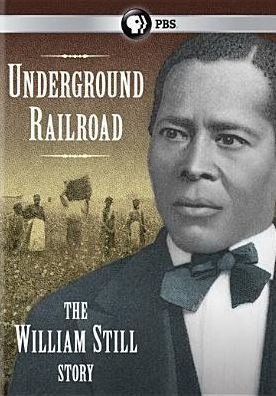
William Still, sometimes called “The Father of the Underground Railroad”, was chairman of the Vigilance Committee of the Pennsylvania Anti-Slavery Society. Sometimes hiding fugitives in his Philadelphia home, he helped hundreds of slaves to escape (as many as 60 a month). He kept careful records, including short biographies of the people that contained frequent railway metaphors. He maintained correspondence with many of them, helping to reunite families once they reached freedom. He later published these accounts in the book The Underground Railroad: Authentic Narratives and First-Hand Accounts (1872), which proved a great resource for helping historians to understand how the system worked.
“The fare is cheap and all can go
The rich and poor are there
No second class aboard this train
No difference in the fare” – The Gospel Train (Traditional)
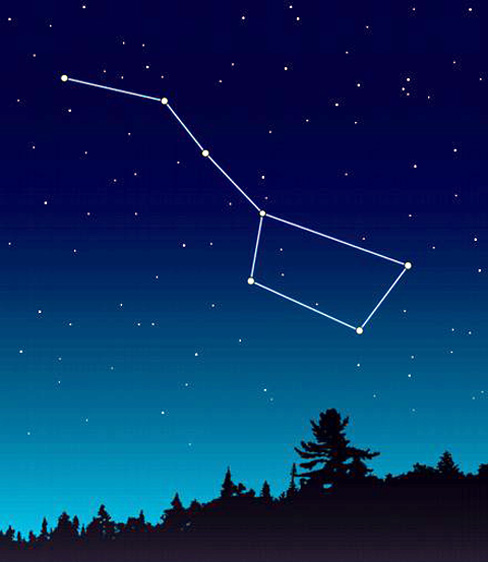
“Follow the Drinking Gourd” is an African American folk song first published in 1928. According to legend, the song was used by a conductor of the Underground Railroad, called Peg Leg Joe, to guide fugitive slaves using the Big Dipper (the Drinking Gourd), and the North Star to navigate themselves northward on their nightly “railroad” excursions.
In John A. Lomax’s 1934 book American Ballads & Folk Songs, he quotes a story from H.B Parks: “One of my great-uncles, who was connected with the railroad movement, remembered that in the records of the Anti-Slavery Society there was a story of a peg-leg sailor, known as Peg-Leg Joe, who made a number of trips through the South and induced young Negroes to run away and escape… The main scene of his activities was in the country north of Mobile, and the trail described in the song followed northward to the headwaters of the Tombigbee River, thence over the divide and down the Ohio River to Ohio… the peg-leg sailor would… teach this song to the young slaves and show them the mark of his natural left foot and the round hole made by his peg-leg. He would then go ahead of them northward and leave a print made of charcoal and mud of the outline of a human left foot and a round spot in place of the right foot.”
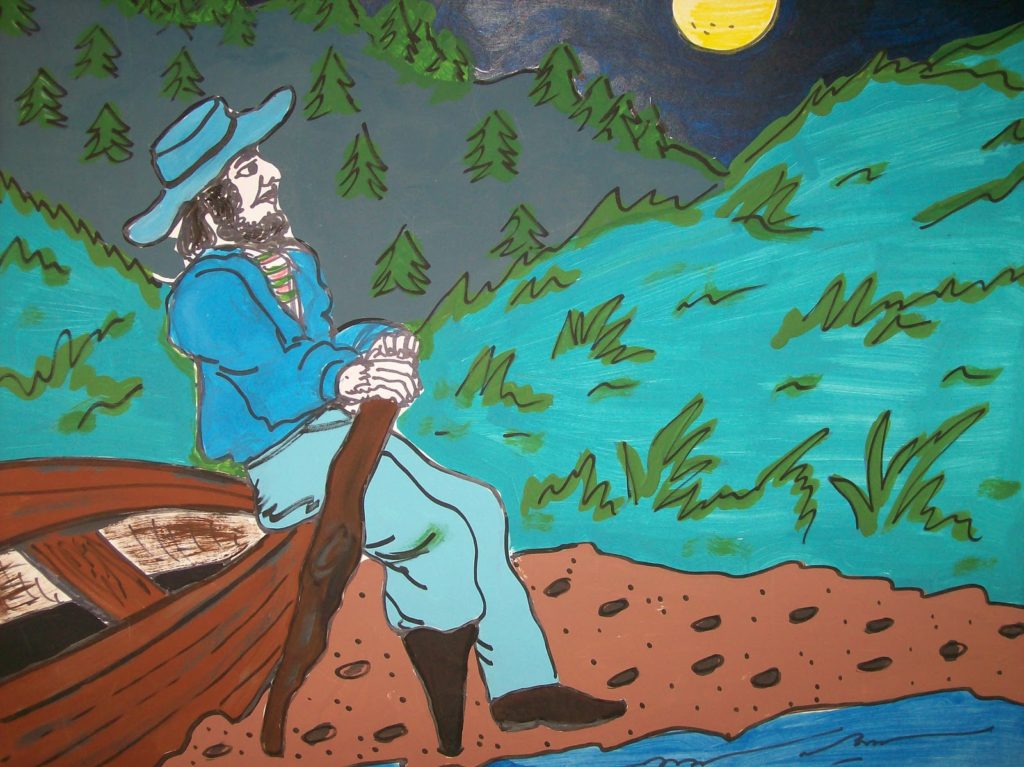
Peg-Leg Joe may have been a real person or composite of people but there is no reliable historical evidence of his existence.
“Get on board, little children
Get on board, little children
Get on board, little children
There’s room for many more” – The Gospel Train (Traditional)
“The Gospel Train (Get on Board)” is a traditional African-American spiritual first published in 1872 as one of the songs of the Fisk Jubilee Singers. Although the composition is usually cited as traditional, several sources credit a Baptist minister from New Hampshire, John Chamberlain, with writing it. The song shares its melody and structure with a number of songs containing similar themes and may date from an even earlier period.
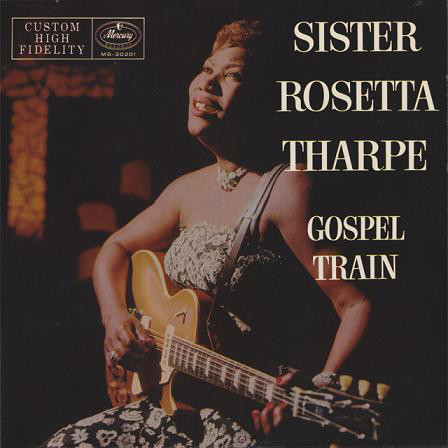
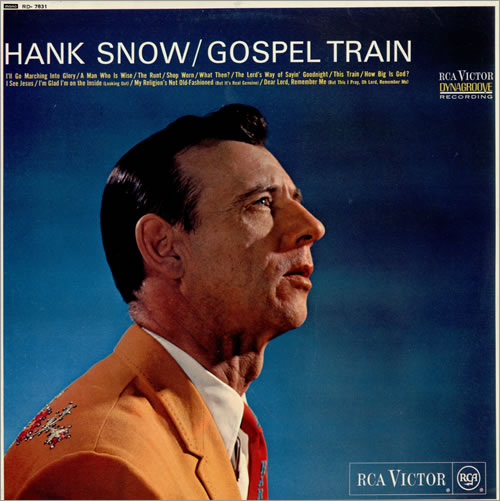
Regardless of its origin, the song has come to be a representation of African Americans’ struggle to leave the bonds of slavery to journey to the Promised Land, and beyond that, has become a gospel standard, found in the hymnals of many Protestant denominations and has been recorded by numerous artists.
“Get on board, little children . . .”
Sources:
https://en.wikipedia.org/wiki/The_Gospel_Train
https://en.wikipedia.org/wiki/Underground_Railroad
https://www.history.com/topics/black-history/underground-railroad
https://www.biography.com/activist/harriet-tubman
https://en.wikipedia.org/wiki/Harriet_Tubman
https://en.wikipedia.org/wiki/Songs_of_the_Underground_Railroad
All photos sourced through internet searches, none belong to the author.
]]>And I’ll meet you at the station
You can be there by 4:30
‘Cause I’ve made your reservation
Don’t be slow
Oh, no, no, no . . .” – Last Train to Clarksville (Boyce/Hart) © Sony/ATV Music
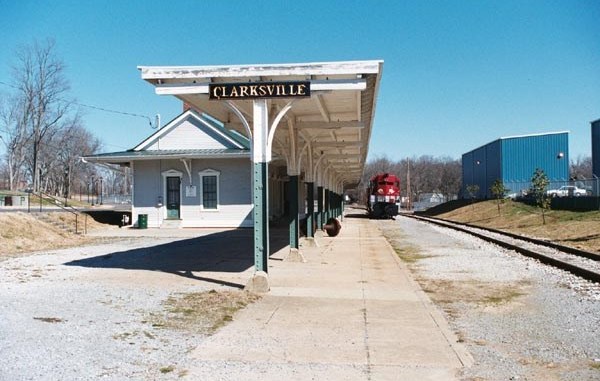
Clarksville is the county seat of Montgomery County, Tennessee. It is the fifth-largest city in the state, with an estimated population of 153,205 in 2017. The city was founded in 1785, incorporated in 1807, and named for General George Rogers Clark, frontier fighter and Revolutionary War hero, and brother of William Clark of the Lewis and Clark Expedition.
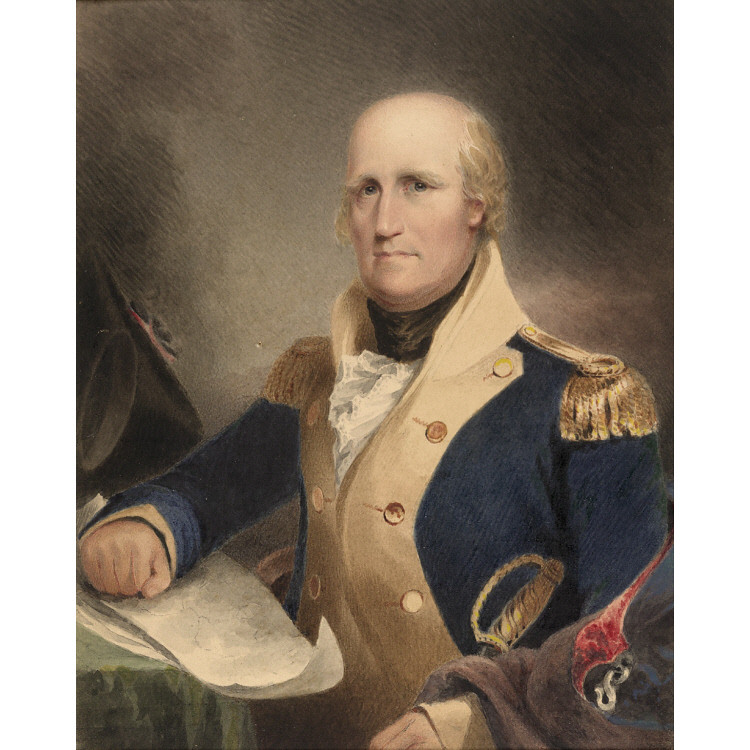
Clarksville was designated as a town to be settled by soldiers from the disbanded Continental Army that served under General Washington during the Revolutionary War. At the end of the war, with the federal government lacking sufficient funds to repay the soldiers, the Legislature of North
Since its inception, the city of Clarksville has had close ties to the military. The city was developed by former Revolutionary War soldiers; during the Civil War a large number of its male population was depleted due to Union Army victories, with many Clarksville men interned at Union prisoner of war camps; Clarksville lost many men in World War I, and World War II saw the formation of Camp Campbell, later Fort Campbell, not far from the city center.
“’Cause I’m leaving in the morning
And I must see you again
We’ll have one more night together
‘Til the morning brings my train
And I must go
Oh, no, no, no . . .” – Last Train to Clarksville (Boyce/Hart)
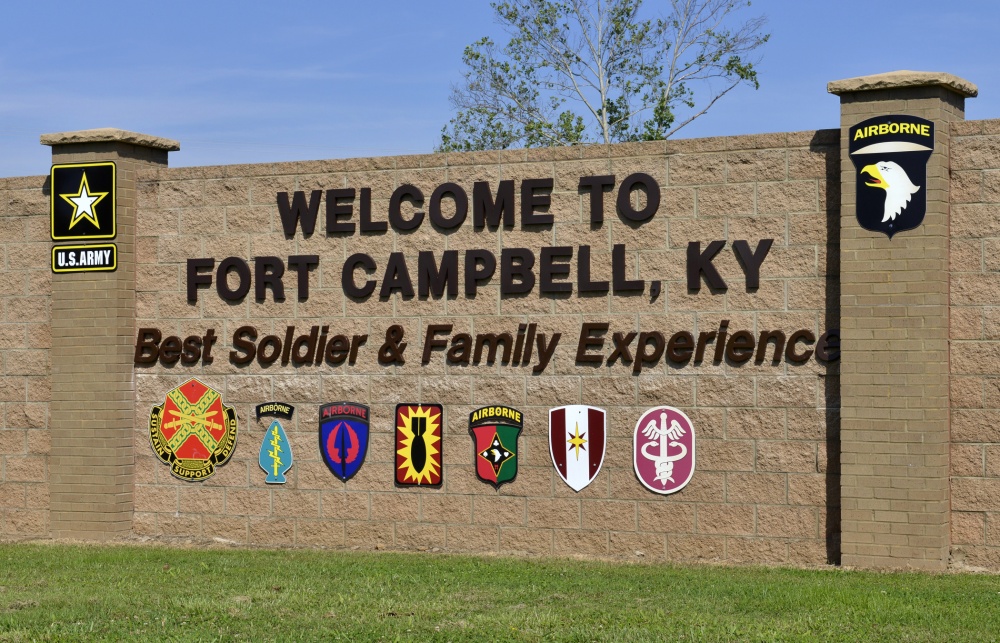
Fort Campbell is a United States Army base that spans the Kentucky–Tennessee state line. It is located approximately 10 miles from the city center of Clarksville. Though the installation’s post office is in Kentucky, most of its acreage lies in Tennessee. The fort is named in honor of Union Army Brigadier General William Bowen Campbell, a former governor of Tennessee, and is home to the 101st Airborne Division and the 160th Special Operations Aviation Regiment.
The site for Fort Campbell was selected in July of 1941, with the initial survey completed in November of that same year, about the same time Japan’s Imperial Fleet was leaving Japanese home waters for the attack on Pearl Harbor. Soldiers from Fort Campbell, Kentucky have deployed in every military campaign since the formation of the post.
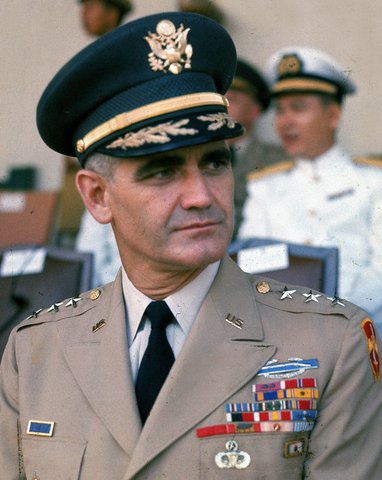
Gen. William Westmoreland 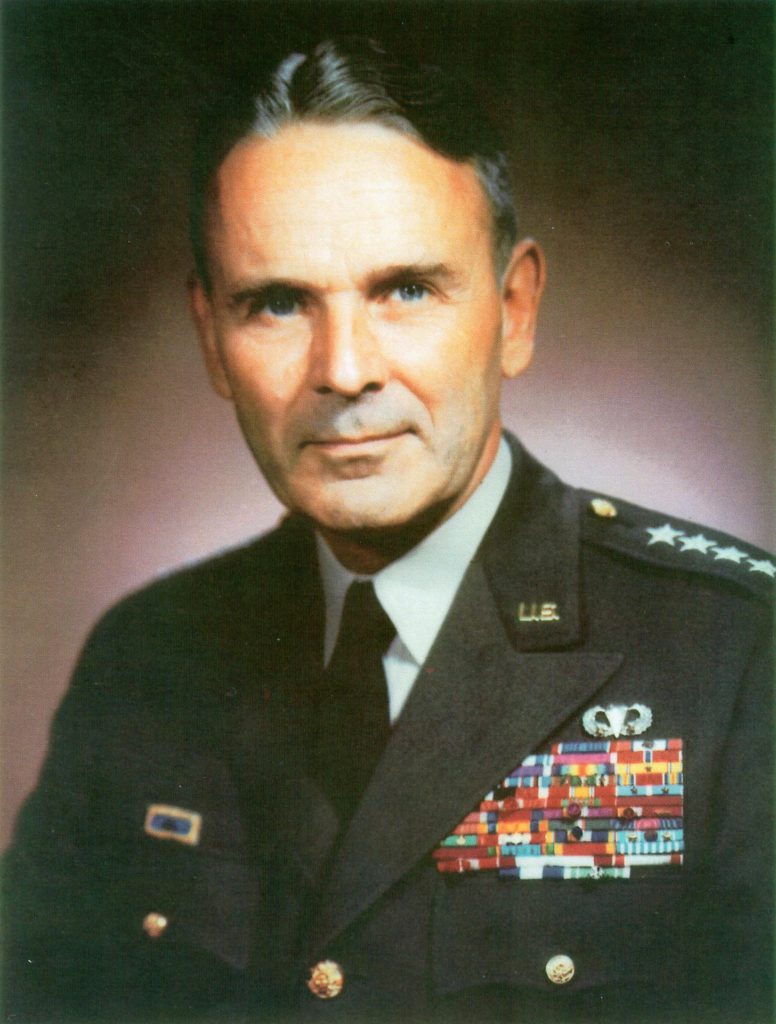
Gen. Maxwell Taylor
The first 4,000 paratroopers of the 101st Airborne Division arrived in Vietnam in July of 1965, landing at Cam Ranh Bay. Immediately after their arrival, they made a demonstration jump which was observed by
In May of 1966, due to the escalation of action in Vietnam, a Basic Combat Training Center was activated at Fort Campbell. Just weeks later the base received its first 220 newly inducted soldiers.
Side note #1:
In 1961, after a run-in with the law over stolen cars, young James Marshall Hendrix was given the choice to spend two years in prison or join the army. Choosing the army, Pvt. Hendrix was assigned to the 101st Airborne Division and was stationed at Fort Campbell, Kentucky. It was not long before Jimi proved himself wholly unsuited for military life, and although he had signed up for three years, Captain Gilbert Batchman had had enough after one year, and made the case for Hendrix to be discharged, as his problems were judged to not be treatable by “hospitalization or counseling.”
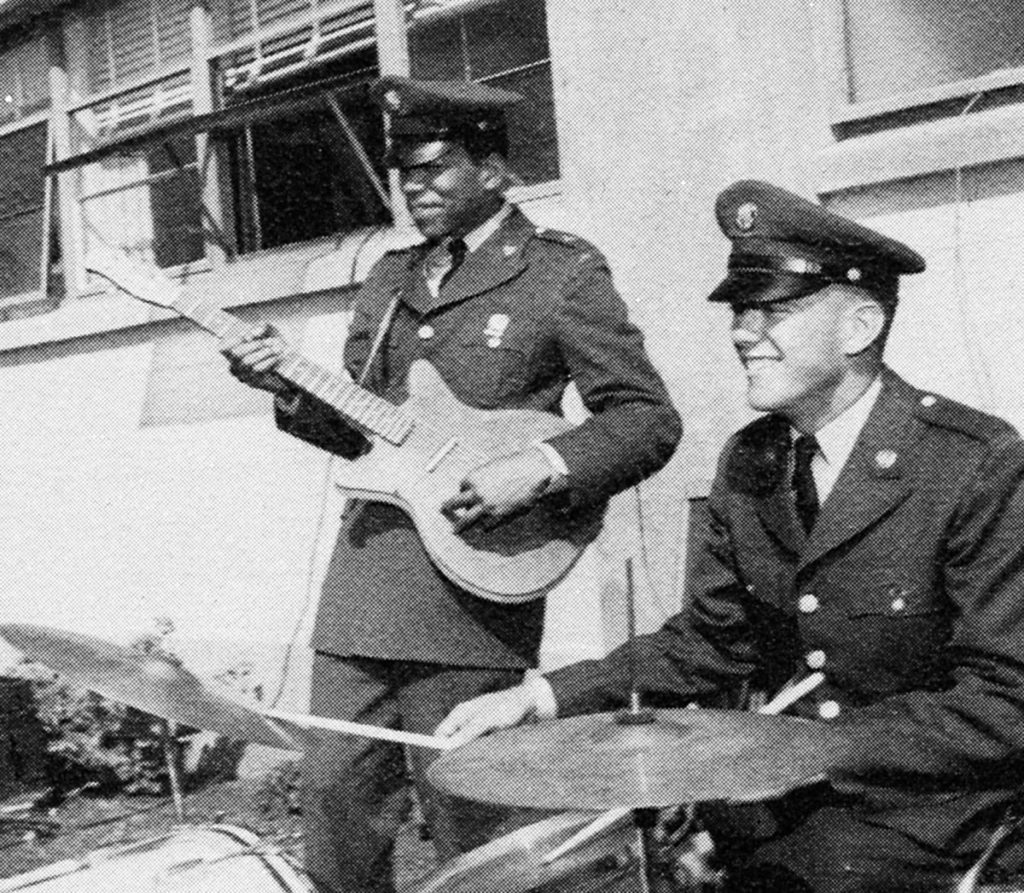
Pvt James Hendrix @ Ft. Campbell 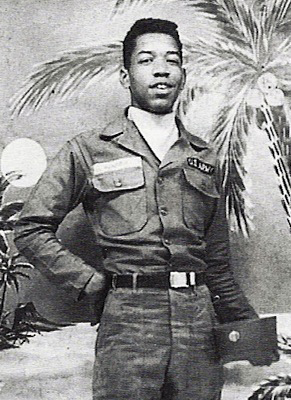
Pvt. Hendrix
“Take the last train to Clarksville
I’ll be waiting at the station
We’ll have time for coffee
And a bit of conversation, oh
Oh, no, no, no . . .” – Last Train to Clarksville (Boyce/Hart)
As early as 1962, filmmaker Bob Rafelson had developed the idea for The Monkees but was unable to sell the series. Later he teamed-up with Bert Schneider, whose father was the head of Screen Gems, the television unit of Columbia Pictures, and after seeing the success of The Beatles’ film, A Hard Day’s Night, the pair revived Rafelson’s idea of a show built around an aspiring rock band and were successful in selling the series to Screen Gems Television.
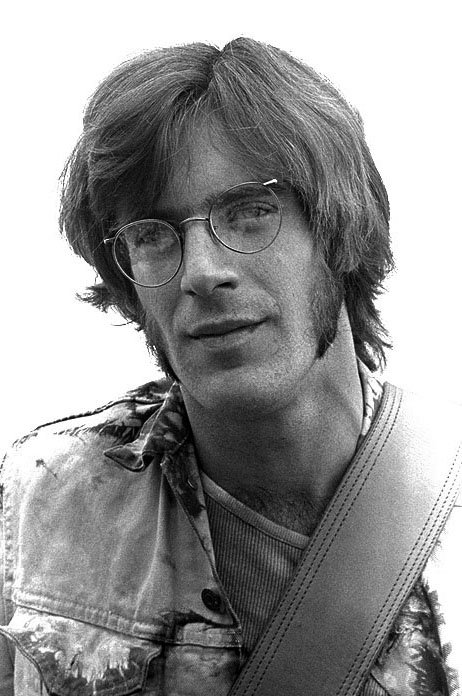
Rafelson and Schneider’s original idea was to cast an existing New York folk-rock group, The Lovin’ Spoonful, who were not widely known at the time. But John Sebastian had already signed the band to a record contract, which would have left Screen Gems unable to market music from the show. The idea then shifted to having actors portray the four band members, and while each of the four actors who were chosen to portray The Monkees had some musical experience, it would initially be left to outside songwriters and musicians to provide the show’s musical soundtrack.
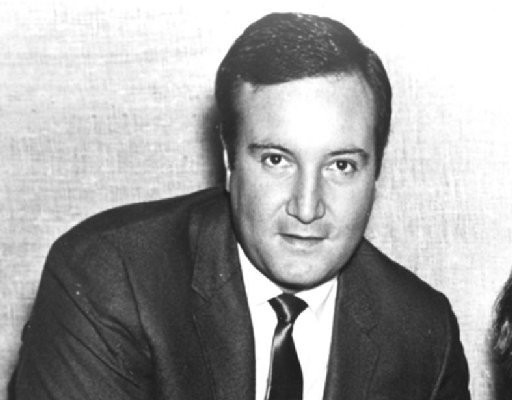
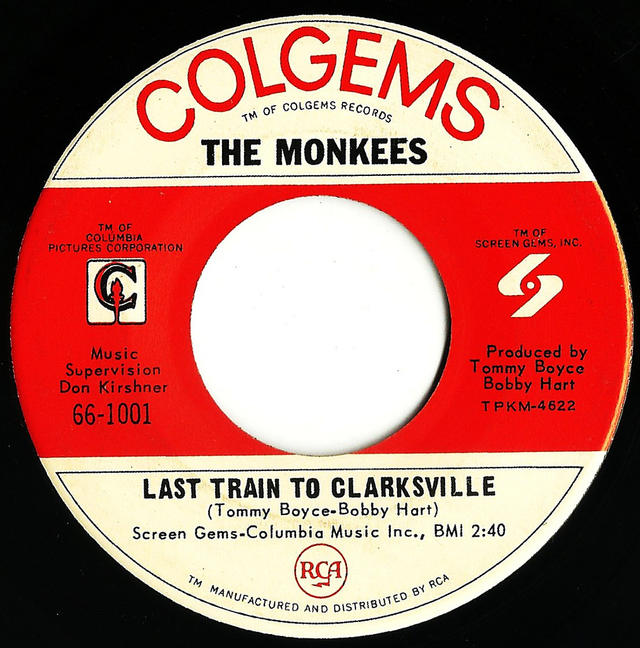
With The Monkees picked up as a series, Columbia-Screen Gems and RCA Victor entered into a joint venture called Colgems Records to distribute the show’s musical releases. Don Kirshner, Screen Gems’ head of music, was contacted to secure music for the show’s pilot. Kirshner would eventually enlist the talents of Neil Diamond, John Stewart, Carole King, and the duo of Tommy Boyce & Bobby Hart, among others, to pen what would become the show’s familiar hits.
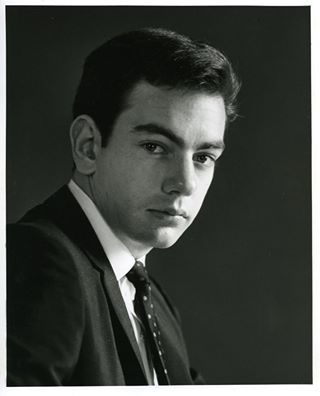
Neil Diamond 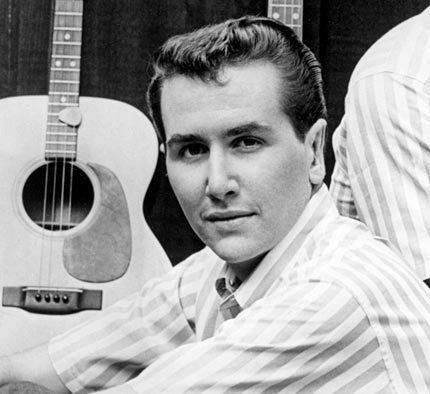
John Anderson 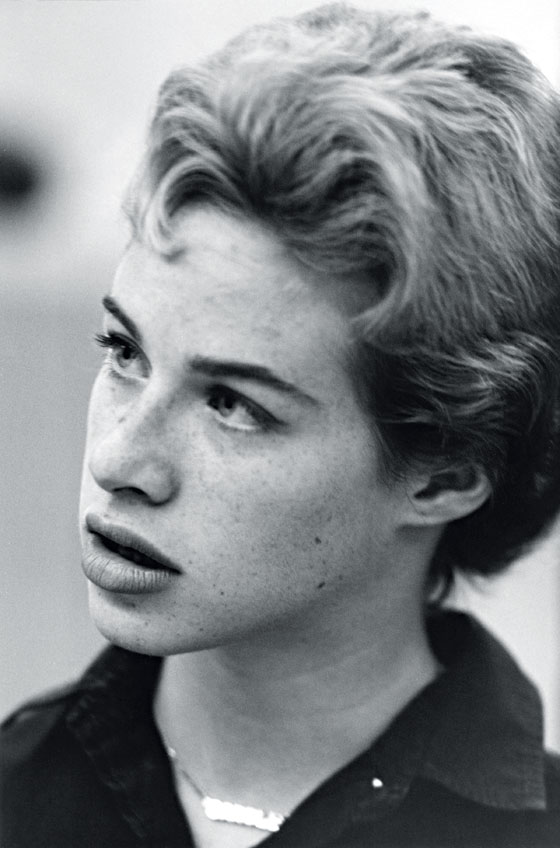
Carole King
“Take the last train to Clarksville
Now I must hang up the phone
I can’t hear you in this
Noisy railroad station
All alone, I’m feeling low
Oh, no, no, no . . .” – Last Train to Clarksville (Boyce/Hart)
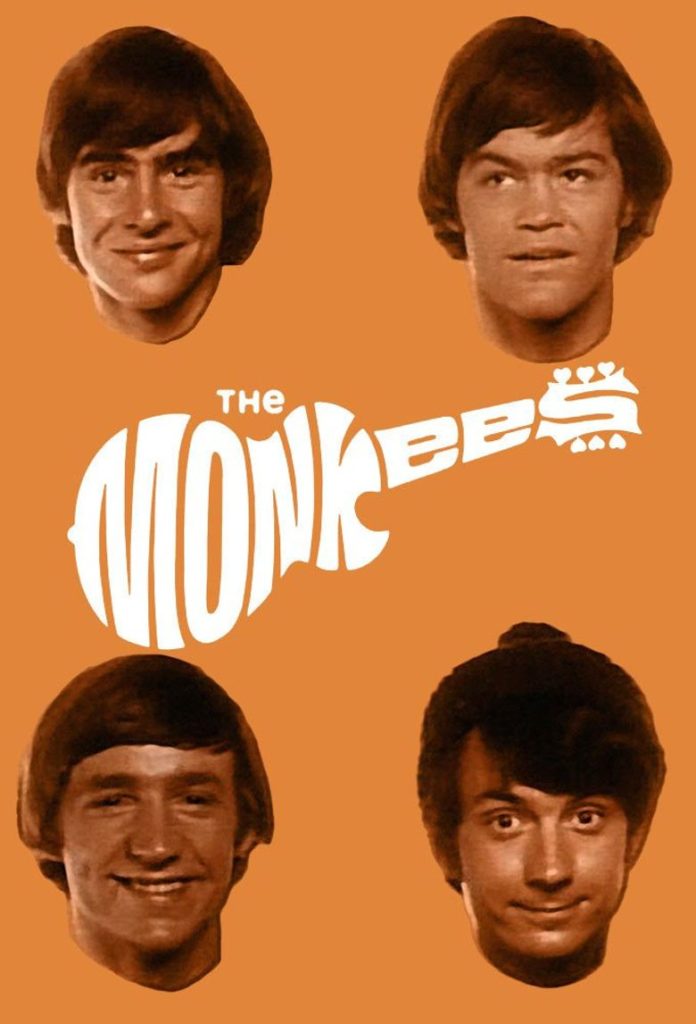
“Last Train to Clarksville” was the show’s first single and first worldwide hit. The song was recorded in July of 1966 and released in August, just a few weeks prior to The Monkees September 12 broadcast debut on the NBC television network. The song topped the Billboard Hot 100 in November of 1966, and would later rank #6 for the year. It was featured in seven episodes of the band’s television series, the most for any Monkees song.
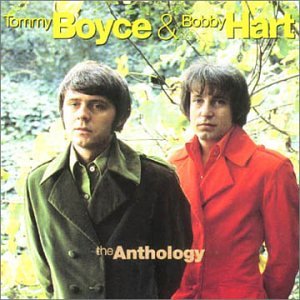
Written by Tommy Boyce and Bobby Hart, the song bears a striking resemblance to The Beatles’ “Paperback Writer”, which is the song that Hart claims inspired him to write “Last Train”. Hart has stated that having turned on the radio to hear the final bars of “Paperback Writer” he believed that Paul McCartney was singing “Take the last train”. Learning that McCartney was actually singing “Paperback writer”, he decided to use the line in a song of his own.
Knowing that The Monkees TV series was being pitched as a music/comedy series in the spirit of The Beatles movie A Hard Day’s Night, Boyce & Hart set out to emulate the Fab Four as they recorded “Last Train to Clarksville” with their own band, Candy Store Prophets. Actor Mickey Dolenz later added his lead vocal track to the original recording.
About the title of the song Hart has explained, “We were just looking for a name that sounded good. There’s a little town in northern Arizona I used to go through in the summer on the way to Oak Creek Canyon called Clarkdale. We were throwing out names, and when we got to Clarkdale, we thought Clarksville sounded even better. We didn’t know it at the time, [but] there is an Army base near the town of Clarksville, Tennessee — which would have fit the bill fine for the storyline. We couldn’t be too direct with The Monkees. We couldn’t really make a protest song out of it — we kind of snuck it in.”
Side note #2:
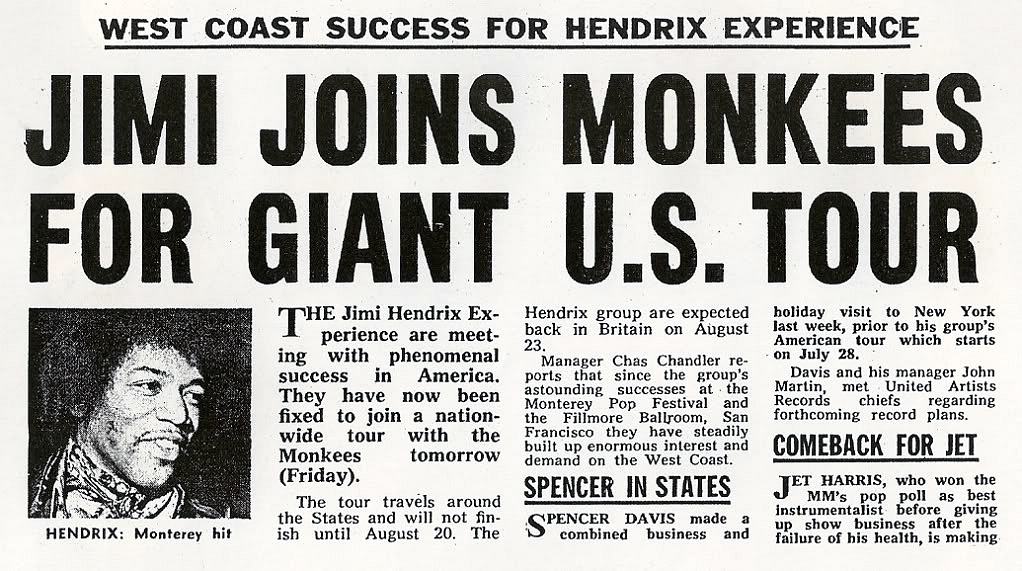
In 1967, as The Monkees were about to embark on a US tour, Mickey Dolenz recommended hiring Jimi Hendrix to be their opening act, having recently witnessed his performance at the Monterey Pop Festival. Hendrix had characterized The Monkees’ music as “dishwater”, but his manager convinced him to sign on for the tour, for although he’d already had three hit singles in England, he was virtually unknown in the US. The Jimi Hendrix Experience played just eight of the 29 scheduled tour dates; then, on July 16, 1967, Jimi flipped off the Forest Hills, Queens, New York audience, threw down his guitar and walked away from the tour.
“Take the last train to Clarksville,
And I’ll meet you at the station,
You can be here by four-thirty,
‘Cause I’ve made your reservation, don’t be slow,
Oh, no, no, no . . .” – Last Train to Clarksville (Boyce/Hart)
The 101st Airborne was the last Army division to leave Vietnam, returning to its home base of Fort Campbell, Kentucky. During the war, troopers from the 101st won 17 Medals of Honor for bravery in combat. The division suffered almost 20,000 soldiers killed or wounded in action in Vietnam, over twice as many as the 9,328 casualties of World War II.
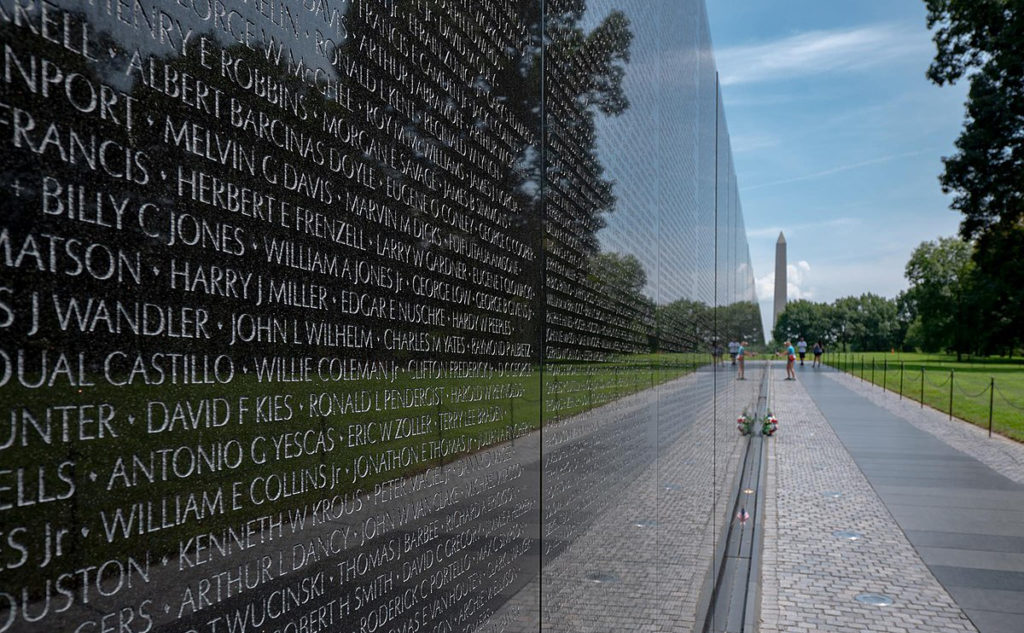
“And I don’t know if I’m ever coming home” – Last Train to Clarksville (Boyce/Hart)
Never Forget!
Sources:
https://en.wikipedia.org/wiki/Clarksville,_Tennessee
https://en.wikipedia.org/wiki/Fort_Campbell
https://www.history.com/this-day-in-history/101st-airborne-division-arrives-in-vietnam
https://en.wikipedia.org/wiki/Last_Train_to_Clarksville
https://www.rhino.com/article/single-stories-the-monkees-last-train-to-clarksville
https://www.songfacts.com/facts/the-monkees/last-train-to-clarksville
All photos sourced through internet searches, none belong to the author.
]]>Has punched a hole in the nighttime, yes
I climb through the window and down to the street
I’m shining like a new dime” – Downtown Train (Tom Waits) © Audiam, Inc
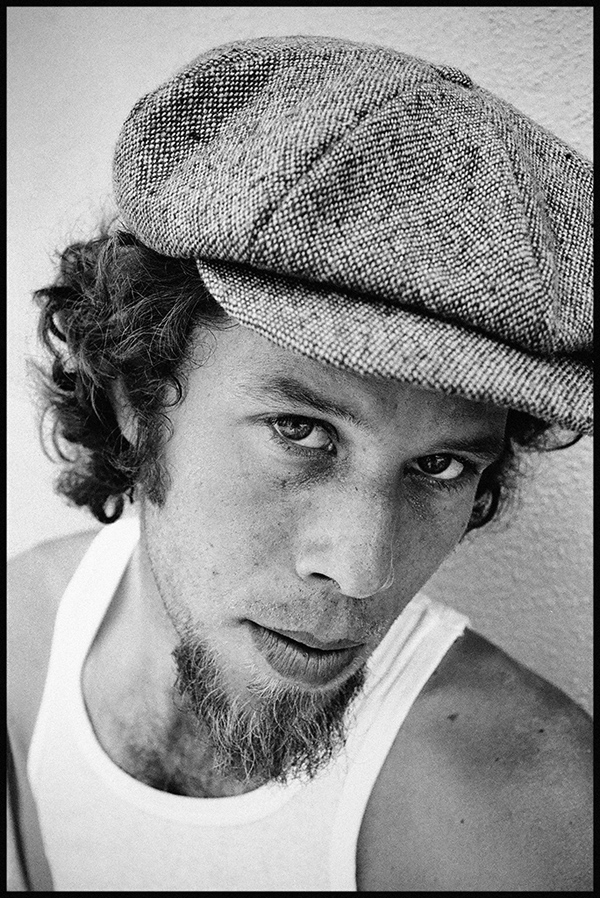
Thomas Alan Waits was born December 7, 1949, in Pomona, California. He has one older sister and one younger sister. Tom’s mother was a housewife and attended church regularly; his father taught Spanish at a local school and was an alcoholic. He spent his early life in Whittier, California, where he learned to play bugle and guitar. His father taught him to play the ukulele.
During summer school breaks young Tom would spend time with his maternal grandparents in Northern California. Later he would credit his uncle’s raspy, gravelly voice for inspiring what has become his trademark singing style.
When Tom was 10 years old, his parents separated with his father moving away from the family; his mother soon moved with the children to Chula Vista, a suburb of San Diego. It was here that Tom began exploring music to a greater degree. Before long he was fronting bands, imitating the soul and R&B artists of the day, while also showing interest in country music and roots rock ‘n’ roll. Later Bob Dylan would become a big influence with Tom studying the folk icon’s lyrics by writing them on his bedroom wall.
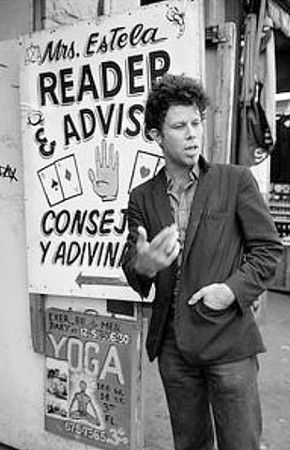
During his high school years, Tom would later describe himself as “kind of an amateur juvenile delinquent”, dabbling in “malicious mischief”. He claims he was a “rebel against the rebels”, as he could not subscribe to the philosophies of the hippie subculture that was emerging across the country. Having acquired instead an affinity for the writings of Jack Kerouac, Allen Ginsberg, and William S. Burroughs, he felt a much stronger kinship to the Beat generation of the 1950s.
At the age of 18 Tom dropped out of high school.
“The downtown trains are full
Full of all those Brooklyn girls
They try so hard to break out of their little worlds” – Downtown Train (Tom Waits)
Waits worked for a time at Napoleone’s pizza restaurant in National City, California; a job that he referenced in his song, “I
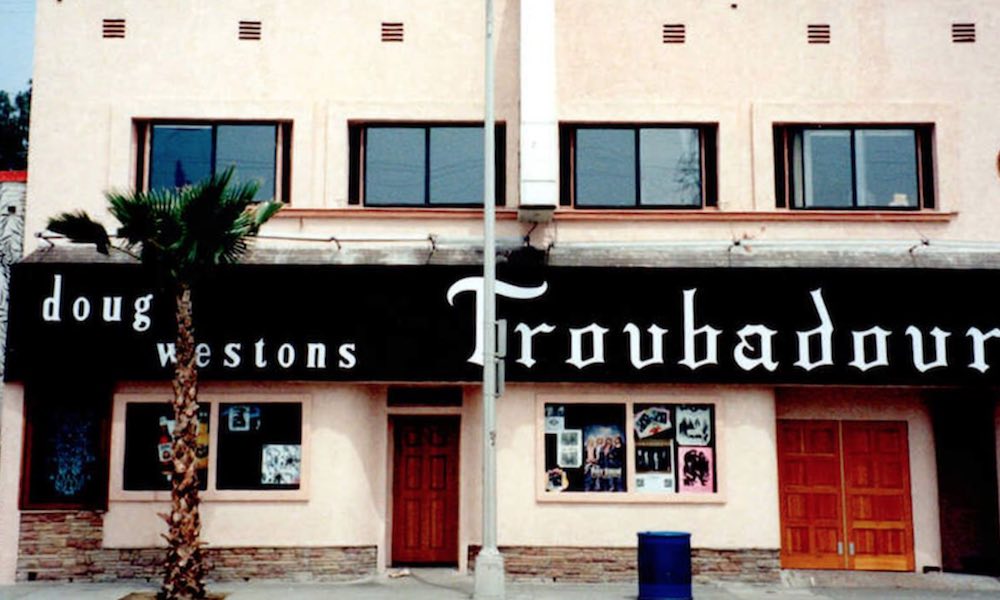
It was while playing at the Troubadour that Tom first signed a publishing deal, and later, met David Geffen, who gave Tom a contract with his Asylum Records label.
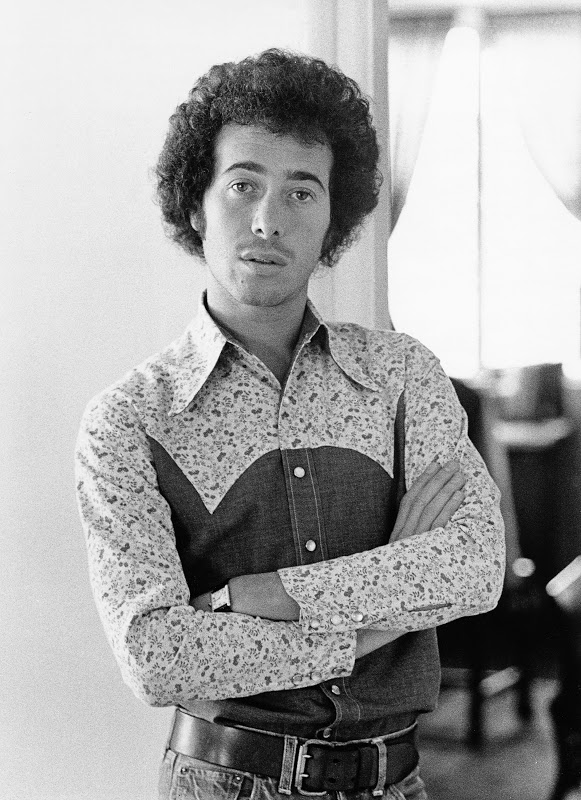
David Geffen © Joel Bernstein 
Asylum Records
“Well, you wave your hand and they scatter like crows
They have nothing that will ever capture your heart
They’re just thorns without the rose
Be careful of them in the dark” – Downtown Train (Tom Waits)
The first time I saw Tom Waits perform, or ever even heard of him for that matter, was on The Mike Douglas Show. Mike Douglas was a former singer who had sung for the Kay Kyser big band during the swing era and was also the singing voice of Prince Charming in Walt Disney’s Cinderella. He went on to host his own syndicated afternoon variety show. At its peak, The Mike Douglas Show was broadcast in 171 markets, with an estimated six million viewers.
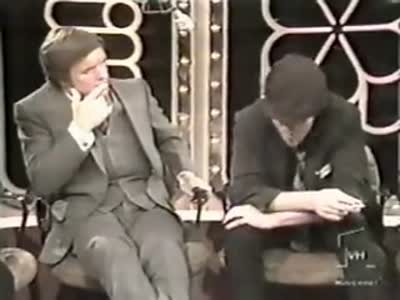
Waits appeared on Douglas’ show on November 19, 1976. His appearance was to promote his album, Small Change, which had been released several months earlier. After being introduced by the host, Waits played “Eggs & Sausage” from his previous album, Night Hawks at the Diner, accompanied by a small combo. He then took a seat next to Douglas, with additional guests Glenda Jackson and Marvin Hamlisch looking on.
After telling his guest that he “project(s) a very strange image”, Douglas asks Waits how he would describe himself. Among other things Waits offers, “I’m an unemployed service station attendant most of the time. I’m just lucky. I’m a living, breathing example of success without college is what it boils down to.” Further along in the interview, Douglas asks Waits whether he likes to be classified as a poet or singer, to which he replies, “I’m a Methodist deep down inside. It’s hard to say”.
Later in the show, Waits performs the title track from Small Change accompanied by a saxophone. If you’ve never heard this “song” I suggest you look it up. It will help you understand how jarring this performance was to my early teen Top 40 pop sensibilities.
“I know your window and I know it’s late
I know your stairs and your doorway
I walk down your street and past your gate
I stand by the light at the four-way” – Downtown Train (Tom Waits)
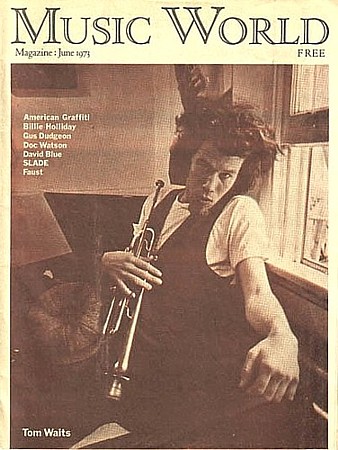
To say that Tom Waits’ voice and music are an acquired taste is probably somewhat of an understatement. Many people will never get that far. It wasn’t until more than a decade after
Although Waits rarely gives interviews, when he does sit with a writer it’s typically questionable whether you’re getting the man or his carefully crafted shtick. Because I admire Tom Waits’ songwriting ability, I’ve always been curious how he feels about other artists recording his compositions. It’s easy to say that many of Tom’s songs would be improved when rendered by a friendlier voice, although that may seem blasphemous to Waits purists.
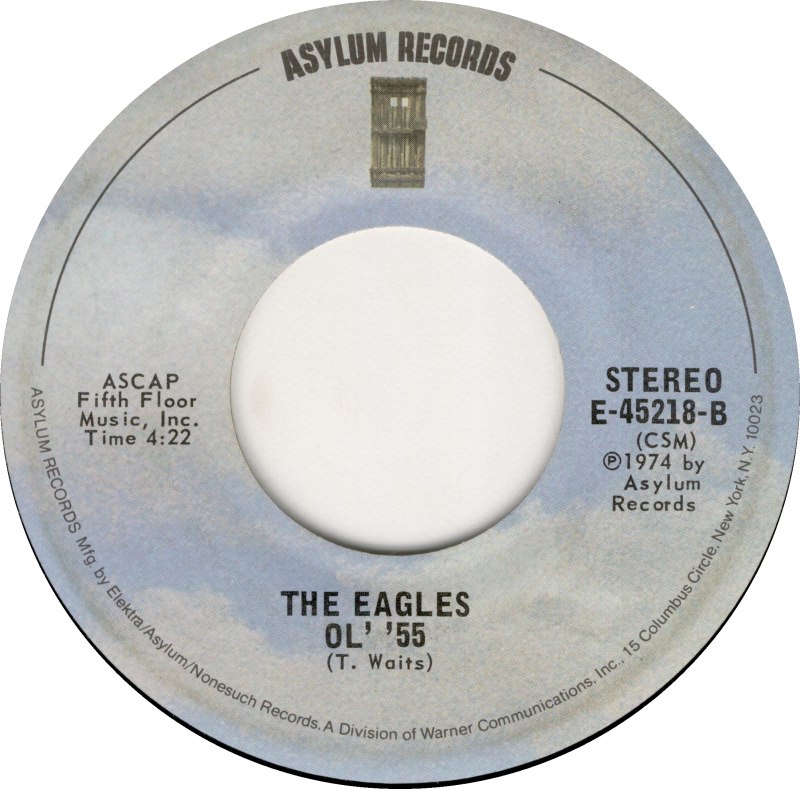
Surely the exposure that he has received from having his songs recorded by others has not hurt his career any. Using as an example “Ol’ ’55”, the first track from his debut album Closing Time, which was subsequently recorded by The Eagles: Waits version of his song was released as a single, but neither the song, nor the album charted; while The Eagles album On the Border, which contained their version of Waits’ song, reached #17 on the Billboard 200 chart, and was certified double platinum, with sales of 2 million units.
When asked about The Eagles recording of “Ol’ ’55” Waits commented that he was “not that particularly crazy about (their) rendition of it … I thought their version was a little antiseptic”.
Later he would remark, “I don’t like the Eagles. They’re about as exciting as watching paint dry. Their albums are good for keeping the dust off your turntable and that’s about all.”
Tom is certainly entitled to his opinion, but there is no doubt that other artists – respected by him, or otherwise – have generated a significant amount of income for the prolific songwriter.
“You watch them as they fall
Oh,
They stay at the carnival
But they’ll never win you back” – Downtown Train (Tom Waits)
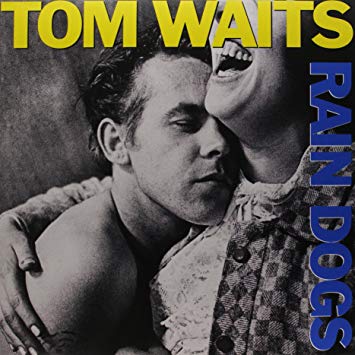
“Downtown Train” is a song from Waits’ 1985 album release Rain Dogs. The album was written and recorded while he was making his home in NYC, and there is no denying the New York grittiness inherent in each of the
“Will I see you tonight
On a downtown train?
Every night it’s just the same
You leave me lonely, now” – Downtown Train (Tom Waits)
“Downtown Train” soon drew the attention of other artists. Patty Smyth was the first to record the song, releasing her version in 1987. While Tom Waits had never had one of his own recordings
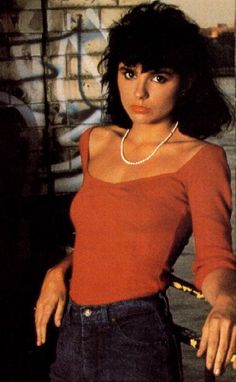
Patty Smyth 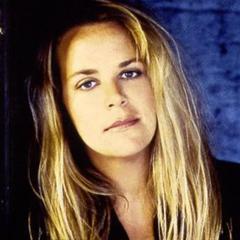
Mary Chapin Carpenter
Rod Stewart included the song as a last-minute addition to his Storyteller anthology, a 4-disc boxed set with recordings spanning his entire career to that point. Stewart’s version of “Downtown Train” reached #3 on the Hot 100, with the anthology reaching #54 on the album charts, and being certified double platinum. It was a number-one single on the album rock and adult contemporary charts went to number one in Canada, and made the top ten on the UK Singles Chart in 1990. Stewart received a Grammy nomination for the song in the category Best Male Pop Vocal Performance.
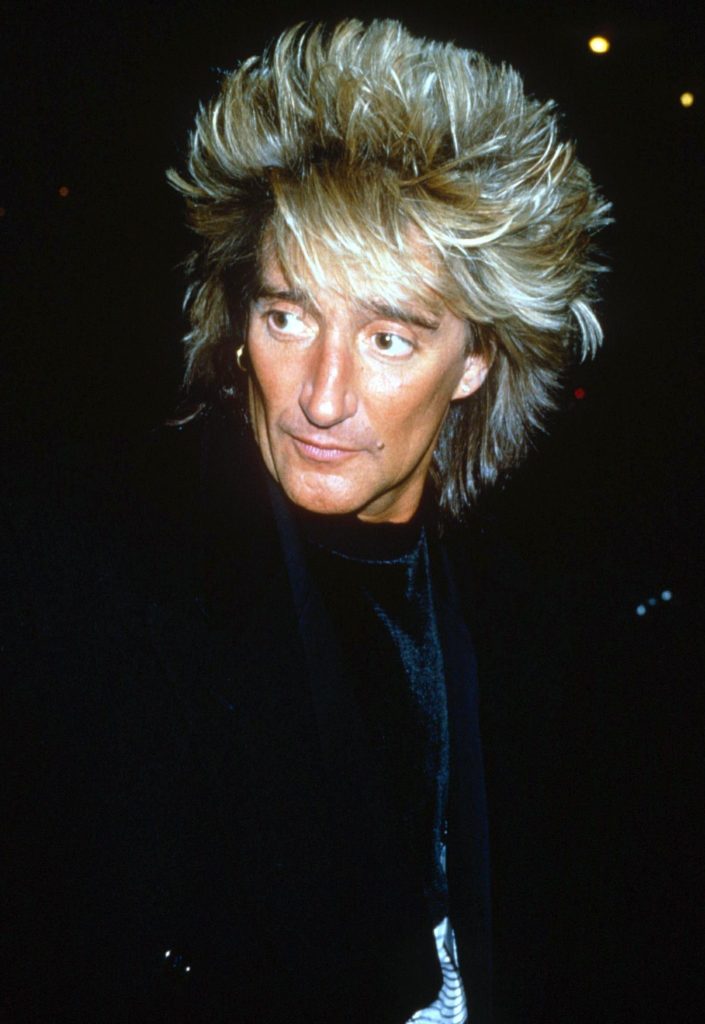
Rod Stewart 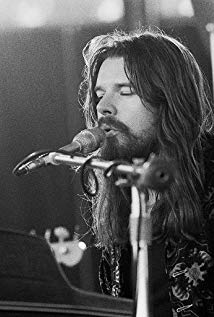
Bob Seger
Bob Seger recorded his own version of the song in 1989 but decided against releasing it after Stewart’s version hit the market. He would later include the track on his 2011 compilation Ultimate Hits: Rock and Roll Never Forgets.
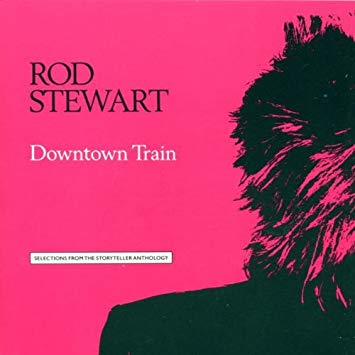
I know that some are not necessarily fond of Rod Stewart’s cover of “Downtown Train”. It’s been criticized for being too pop; too overblown. I happen to be a fan of Rod’s version, particularly for the over-the-top production from Trevor Horn. It satisfies my pop sweet tooth, with a nod to Phil Spector’s “wall of sound” in the bridge. Being a fan of Rod’s voice, I can identify with the longing he portrays in the final chorus, as strains of the instrumental “train” fade away down the track.
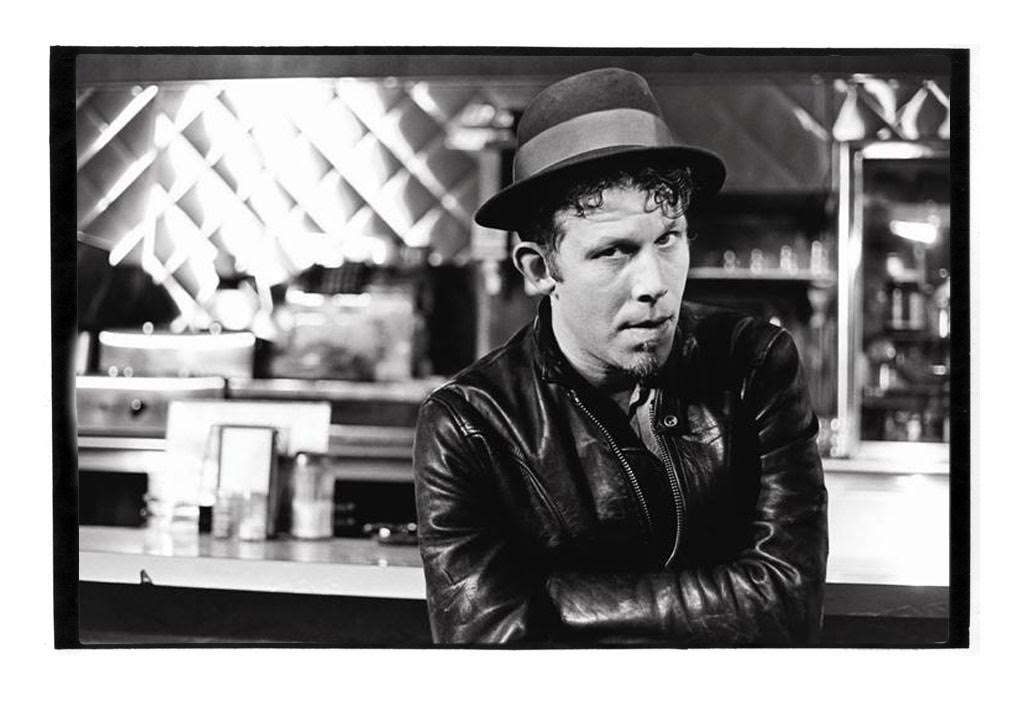
But don’t let it be said that I am not a fan of Tom’s version. Nobody does stripped-down, urban angst quite like Tom, playing the eccentric vagrant as no one can; and being a fan of film noir I love the imagery of the accompanying video (featuring a cameo from the Raging Bull himself, Jake LaMotta). The fact that other artists have covered the song with their own versions speaks to its ability to convey emotion, and being relatable to a wide and varied audience.
And there is no doubt that – good, bad, or indifferent – these various covers of Tom’s original songs have brought the songwriter a considerable amount of scratch!
“Will I see you tonight
On a downtown train?
All of my dreams just fall like rain
On a downtown train” – Downtown Train (Tom Waits) © Audiam, Inc
Coming May 25 @ A Train Song: I’ll Meet You at the Station
Sources:
https://en.wikipedia.org/wiki/Downtown_Train
https://www.songfacts.com/facts/rod-stewart/downtown-train
https://en.wikipedia.org/wiki/Tom_Waits
All photos sourced through internet searches, none belong to the author.
]]>Track twenty-nine, boy you can gimme a shine
I can afford to board a Chattanooga Choo Choo
I’ve got my fare and just a trifle to spare” – Chattanooga Choo Choo (Gordon/Warren) © Sony/ATV Music
Chief John Ross 
The earliest inhabitants of the Chattanooga, Tennessee area were the Native Americans, with Cherokee occupation of the region dating from 1776. John Ross, who eventually became Principal Chief, established Ross’s Landing in 1816, located along what is now Broad Street. It would become a primary center for the Cherokee Nation, which extended into Georgia and Alabama.
In 1838 the U.S. government forced the Cherokee people, along with other Native American tribes, to relocate to the area designated as Indian Territory. The following year the community of Ross’s Landing would be incorporated as the city of Chattanooga.
Being ideally suited for waterborne commerce due to its situation beside the Tennessee River, the city quickly grew. When the railroad arrived in 1850, Chattanooga became a boomtown. The city’s location, where the fertile cotton-growing lowlands of the Deep South meet the mountainous region of southern Appalachia, made it a natural gateway between north and south. This distinction would cause Chattanooga to see plenty of action during the American Civil War when the city proved to be a transportation hub connecting half of the Confederacy’s arsenals.
The First Battle of Chattanooga was fought June 7-8, 1862. It was a minor artillery battle, precipitated when Maj. Gen. Ormsby M. Mitchel ordered Brig. Gen. James Negley, who commanded a small division, to lead an expedition to capture Chattanooga. The Union artillery shelled the city for a day and a half before withdrawing, and although the Confederate losses were minor, it served as a warning that the Union forces could attack deep within the enemy territory at will.
The Second Battle of Chattanooga began on August 21, 1863, when Col. John T. Wilder’s brigade marched to a location northeast of Chattanooga and ordered the 18th Indiana Light Artillery to begin shelling the town. Soldiers and civilians were caught off guard as many were in church observing a day of prayer and fasting. The shelling continued periodically over the next two weeks, allowing the Union army to surround the city to the south and west.
In the fall of that same year, Union forces withdrew to the city of Chattanooga after the Confederate victory at Chickamauga in September. The Confederate Army under Gen. Braxton Bragg quickly laid siege, cutting off the Federals’ supply lines. Being ordered by President Abraham Lincoln to end the siege at Chattanooga, Maj. Gen. Ulysses S. Grant opened the “Cracker Line” across the Tennessee River, allowing the Army of the Cumberland inside the city to be resupplied. In mid-November, Maj. Gen. William T. Sherman’s Army of the Tennessee arrived in the city, as well.
From November 23 to November 25, 1863, Union forces fought Confederate troops at the battles of Lookout Mountain and Missionary Ridge. The Union victories at these locations drove the rebels back into Georgia. The siege was broken, and the path clear for Gen. Sherman’s march to Atlanta, and ultimately on to Savannah. The vital railroad hub of Chattanooga was securely in Union control and would remain so for the duration of the war.
“You leave the Pennsylvania station ’bout a quarter to four
Read a magazine and then you’re in Baltimore
Dinner in the diner, nothing could be finer
Than to have your ham ‘n’ eggs in Carolina” – Chattanooga Choo Choo (Gordon/Warren)
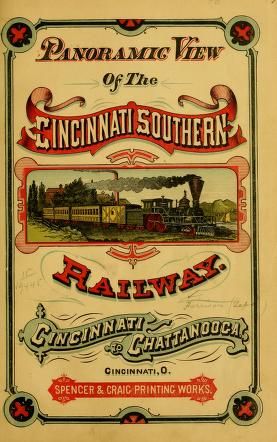
The reconstruction period following the Civil War found the city of Chattanooga retaining its prominence as a commercial hub, and as the “Gateway to the South”. In the post-war decades, railroads were rapidly expanding across the country, and the city of Cincinnati, Ohio desired a rail link to Southern cities & ports. In order to overcome legal obstacles, the Cincinnati Southern Railway was built with municipal funds and continues to be city-owned to this day, although the city leases its use to Cincinnati, New Orleans and Texas Pacific Railway (CNO&TP), which is a subsidiary of Norfolk Southern.
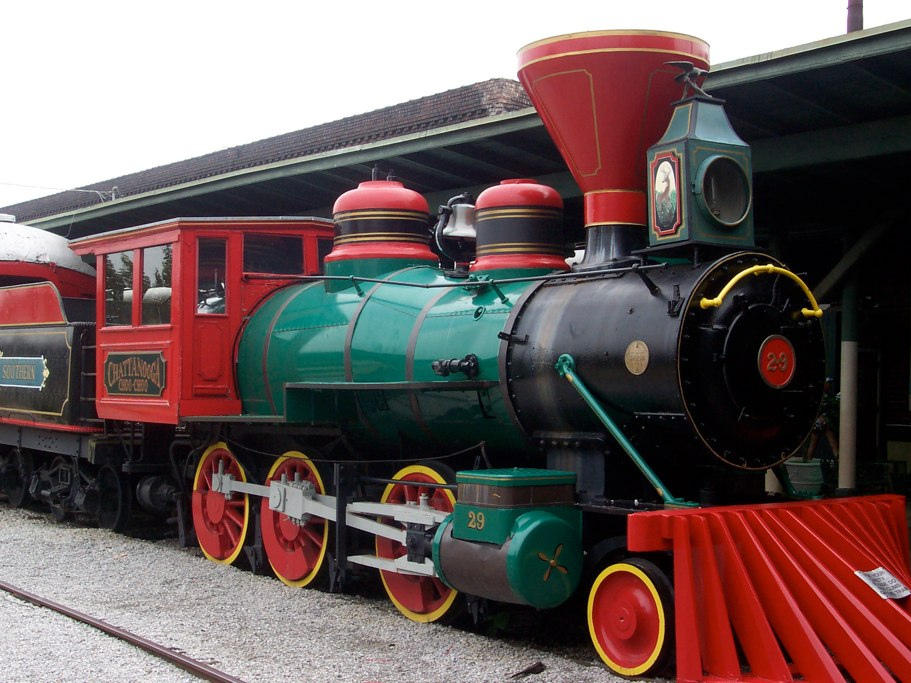
On May 8, 1880, the first passenger train made the 337 mile trip from Cincinnati to Chattanooga, and the Chattanooga Choo Choo was born. Although the railroad never officially operated a train bearing that name, the “Choo Choo” moniker referred to a small wood burning 2-6-0 type locomotive, which was operated by the Cincinnati Southern, and is now a museum piece.
“When you hear the whistle blowin’ eight to the bar
Then you know that Tennessee is not very far
Shovel all the coal in, gotta keep it rollin’
Woo, woo, Chattanooga, there you are” – Chattanooga Choo Choo (Gordon/Warren)
The Birmingham Special was a passenger train operated jointly by the Southern Railway, Norfolk and Western Railway, and Pennsylvania Railroad. While making a journey upon this train, songwriters Mack Gordon & Harry Warren wrote their hit song, “Chattanooga Choo Choo”. In 1932 the Birmingham Special had been rerouted to include Chattanooga as a stop along its path from Pennsylvania Station in New York City, to Birmingham, Alabama. Although Pennsylvania Station never had a track 29, as the song states, Southern Railway designated the train as #29 in the southbound direction. Along with other references within the song’s lyrics, it’s apparent that the authors were exercising a degree of imagination & artistic license.

On May 7, 1941, Glenn Miller and his Orchestra recorded “Chattanooga Choo Choo” in Hollywood, California, as an extended production number for the 20th Century Fox film Sun Valley Serenade. Several months later it was released on RCA Victor’s Bluebird label as the B-side of a 78 rpm phonograph disc. Featuring the vocals of Tex Beneke, Paula Kelley, and the Modernaires, the song reached #1 on the Billboard Best Sellers chart on December 7, 1941, where it remained for nine weeks. In February 1942 the release was the first to be recognized as a certified gold record for sales of 1.2 million units. The song was also nominated for an Academy Award for its appearance in the film. The song’s huge success was deemed to be remarkable considering the fact that due to the ASCAP boycott the song had not been heard on the radio during 1941.
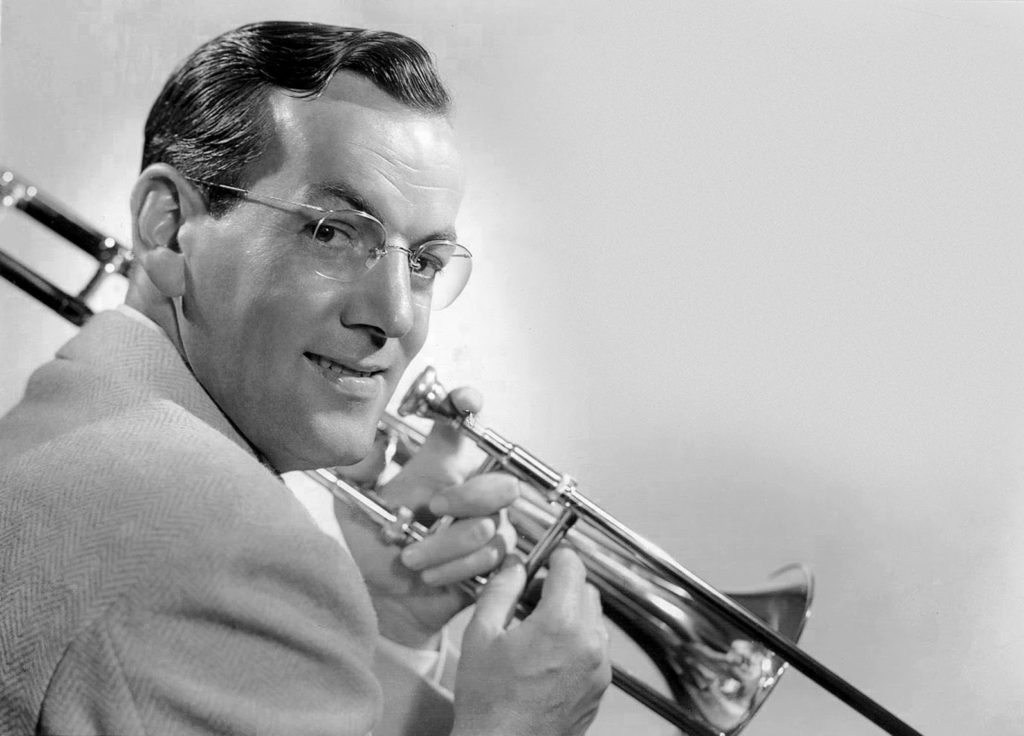
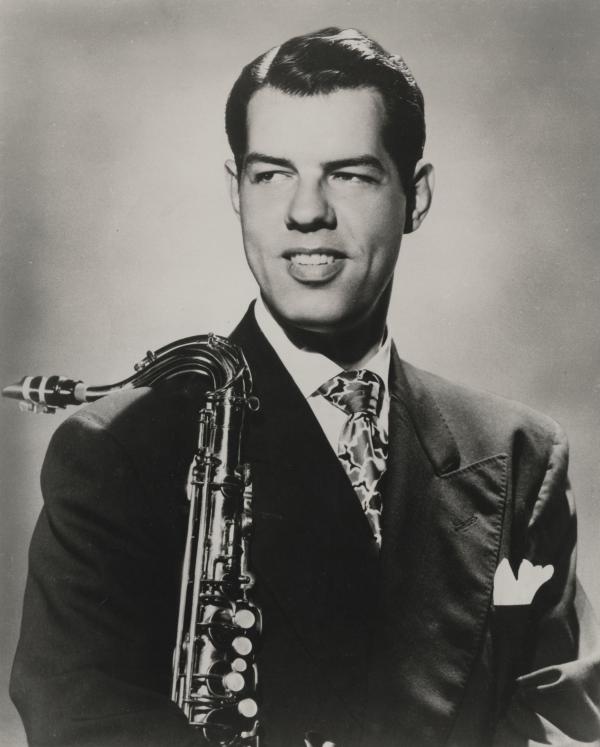
Tex Beneke 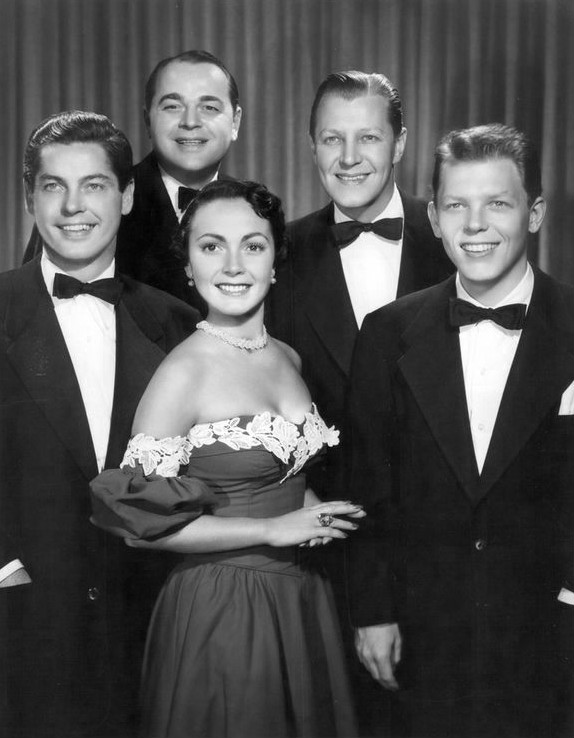
Paula Kelley and the Modernaires
In the decades following Glenn Miller’s iconic recording, the song has been recorded by dozens of artists, including Beegie Adair, the Andrews Sisters, Ray Anthony, Asleep at the Wheel, BBC Big Band, George Benson, Regina Carter, Ray Charles, Harry Connick, Jr., Ray Conniff, John Denver, Ernie Fields, Stéphane Grappelli, Susannah McCorkle, Oscar Peterson, Hank Snow, Cab Calloway, Carmen Miranda, Floyd Cramer, Bill Haley and His Comets, Barry Manilow, Herb Alpert, Steve Lucky & the Rhumba Bums, and The Muppets. The song has also been featured in numerous movies and TV shows.
In 1996, Glenn Miller’s original 1941 recording of “Chattanooga Choo Choo” was inducted into the Grammy Hall of Fame.
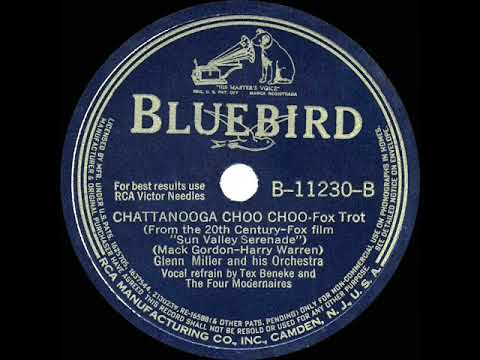
As with many of the songs that I have featured in this blog I gleaned a few new details while researching this recording with which I had felt quite familiar. Learning that the song reached the #1 position on the Billboard charts on what we now call Pearl Harbor Day caused me to reflect on what it meant to folks at the time. The fact that it stayed at #1 for nine weeks tells me that the song was in some way a medicine that helped a grieving population heal from tremendous wounds.
“There’s gonna be a certain party at the station
Satin and lace, I used to call funny face
She’s gonna cry until I tell her that I’ll never roam
So Chattanooga choo choo
Won’t you choo-choo me home?” – Chattanooga Choo Choo (Gordon/Warren)
Coming May 11 @ A Train Song: Will I See You Tonight?
Sources:
https://www.history.com/topics/american-civil-war/battle-of-chattanooga
https://www.battlefields.org/learn/civil-war/battles/chattanooga
https://en.wikipedia.org/wiki/Battle_of_Chattanoogahttps:
//www.nps.gov/chch/learn/historyculture/battles-for-chattanooga.htm
https://en.wikipedia.org/wiki/Chattanooga,_Tennessee
https://en.wikipedia.org/wiki/Chattanooga_Choo_Choo
https://www.american-rails.com/chattanooga.html
All photos sourced through internet searches unless otherwise noted.
]]>And the sun refused to shine
I knew I’d leave my baby
With a troublin’ mind
It rains every morning
And evening is the same
And it’s gonna be a long time
‘Til I hear the 2:10 train” – 2:10 Train (Albertano / Campbell)
Ever since the dawn of human life on this planet, brilliant minds have devised methods by which to measure the passage of time: tracking the sun, and other celestial bodies; counting the flow of sand through a narrow neck of glass; water clocks, candle clocks, and time sticks. But all of these practices left room for great variation, and time, or the measure of, was far from uniform.
Not until the early 14th century did mechanical timekeepers appear; followed several hundred years later by the pendulum clock, and with the invention of the mainspring, portable clocks soon evolved into pocket watches.
But even as the more reliable timekeeping mechanisms of the Industrial Age allowed for the increasingly more accurate measure of time, there was still plenty of room for fluctuation from place to place, and the coming of the railroad introduced an immediate need for time standardization.
“Inside outside, leave me alone
Inside outside, nowhere is home
Inside outside, where have I been?
Out of my brain on the 5:15” – 5:15 (Pete Townshend)
In England, a standardized system known as Railway Time was first adopted by the Great Western Railway in November 1840. This was the first occasion in which local mean times were synchronized to a single standard time. Over the next several years Railway Time was progressively adopted by all the railway companies in Great Britain, and by 1855 the electric telegraph allowed for all stations along all railway lines throughout the country to be synchronized to Greenwich Mean Time.
Prior to the adoption of Railway Time, each town in England would synchronize their local time according to a public clock, usually located in the town square, courthouse, or church. Until the latter part of the 18th century, these clocks were set by solar time, using a sundial. Understandably this left room for significant variance in time from town to town.
As travel in that period was often undertaken by foot, by horse, or by carriage,
While it may be easy for us today to see the sound judgment in having uniform time throughout a country, the railway companies initially encountered resistance in many towns, where it was not uncommon to find two different times displayed and in use. A railway station clock would often show a time that could differ by several minutes from other clocks in town. In spite of the early reluctance, Railway Time was soon adopted by the entire country, although the government did not legislate a single Standard Time and single time zone for Great Britain until 1880.
“I lost everything I had in the ’29 flood
The barn was buried ‘neath a mile of mud
Now I’ve got nothing but the whistle and the steam
My baby’s leaving town on the 2:19” – 2:19 (Brennan/Waits)
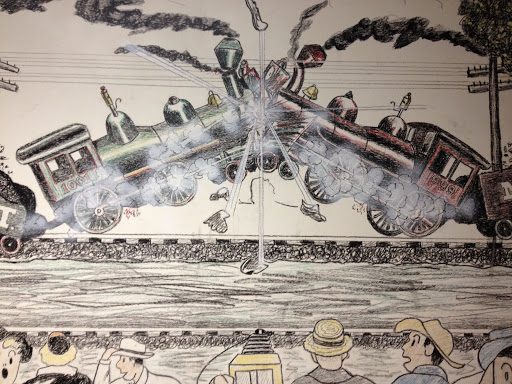
In New England, in August of 1853, two trains collided resulting in the death of 14 passengers. The trains were traveling towards each other on the same track, with the collision resulting from the individual train guards having different times set on their watches. Soon railway schedules were coordinated throughout New England, but numerous other accidents led to the need to set up a General Time Convention, which was a committee comprised of railway companies to agree on scheduling.
“I want to ride again
On the 3:10 to Yuma
That’s where I saw my love
The girl with the golden hair” – 3.10 to Yuma (Washington/ Dunning)
At Promontory Point in Utah, on May 10, 1869, a crowd had gathered to witness the driving of the final, ceremonial golden spike, which would join the Union Pacific & Central Pacific Railroads into what would become known as the transcontinental railroad. Telegraph wires had been attached to both the
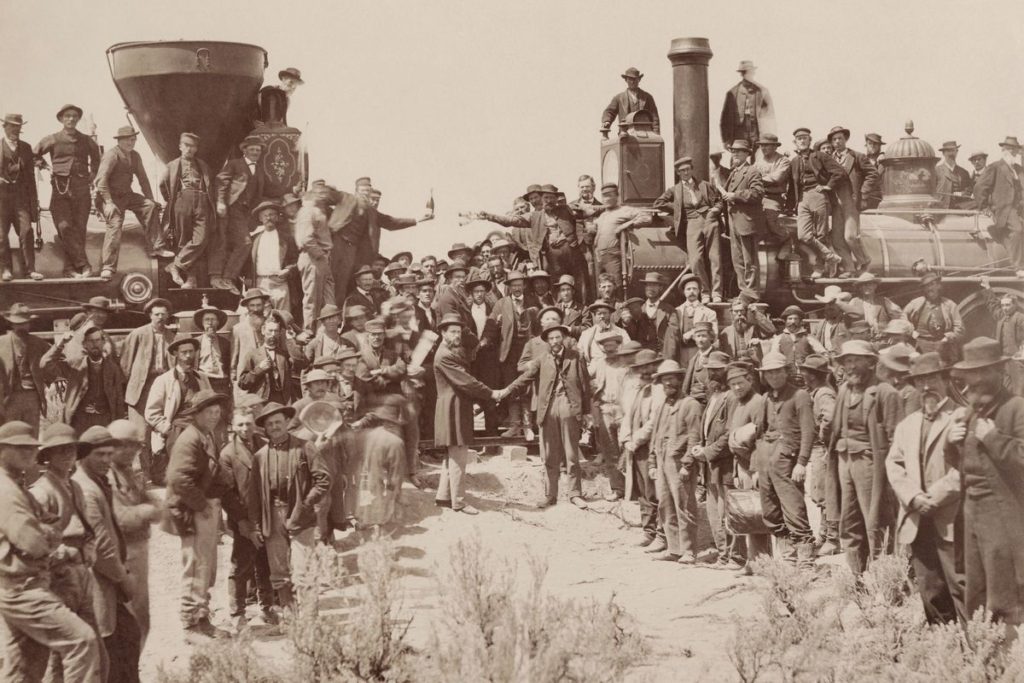
Gathering at noon, the crowd waited 45 minutes for Leland Stanford to raise the silver maul, and drive the golden spike. The moment was recorded as 12:45 p.m. at Promontory Point, 12:30 p.m. in Virginia City, both 11:44 and 11:46 a.m. in San Francisco, and 2:47 p.m. in Washington D.C.
At the time that the two railroads were joined to form the transcontinental railroad, more than 8,000 towns were using their own local time over 53,000 miles of track that had been laid across the United States.
“Eight-oh-five
I guess you’re leaving soon
I can’t go on without you
Eight-oh-five
I guess you’re leaving…goodbye” – 8:05 (Laura Anne Stevenson)
In
Cleveland Abbe, who in 1871 was appointed chief meteorologist at the United States Weather Bureau, subsequently divided the continental United States into four standard time zones, in order to institute a time-keeping system that was consistent between the nation’s weather stations. In 1879 he published a paper titled Report on Standard Time, and in 1883 was successful in convincing the General Time Convention and North American railroad companies to adopt his time-zone system, replacing the 50 different railway times that were then in use.
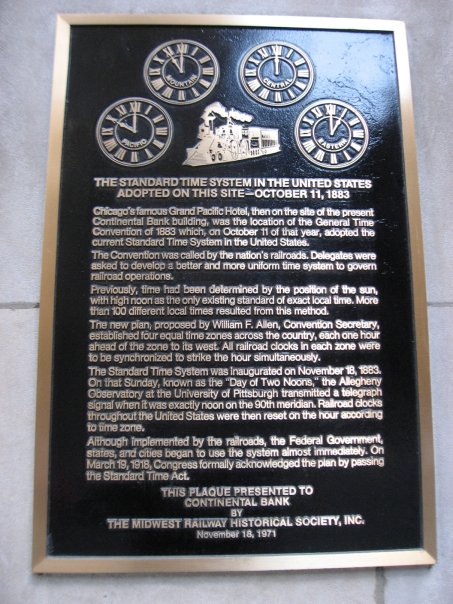
Surely it would seem the wisdom of this standardized system is self-evident, but there were many smaller towns and cities that were opposed to the adoption of Railway Time. An 1883 report in the Indianapolis Daily Sentinel complained that people would have to “eat, sleep, work … and marry by railroad time”. However, with the support of nearly all railway companies, most cities, and nationally influential scientific institutions, Standard Railway Time was introduced in the United States at noon on November 18, 1883.
Through the ensuing decades, Railway Time became a trusted standard, generally accepted as being highly reliable and accurate; departure and arrival times became an embodiment of train lore as much as any other aspect of railroading. Why even bother writing a song about it if you were not fairly certain that your train would be on time?
“5:15, I’m changing trains
This little town, let me down
This foreign rain brings me down
5:15, train overdue
Angels have gone, no ticket
I’m jumping tracks, I’m changing time” – 5:15 (The Angels Have Gone) David Bowie
Sources:
https://en.wikipedia.org/wiki/Railway_time
https://railroad.lindahall.org/essays/time-standardization.html
All photos sourced through internet searches, none belong to the author.
]]>