The cattle go down to the stream
The redwing settles in the nest
It’s time for a cowboy to dream” – My Rifle, My Pony and Me (Tiomkin/Webster) © Warner Chappell Music, Inc
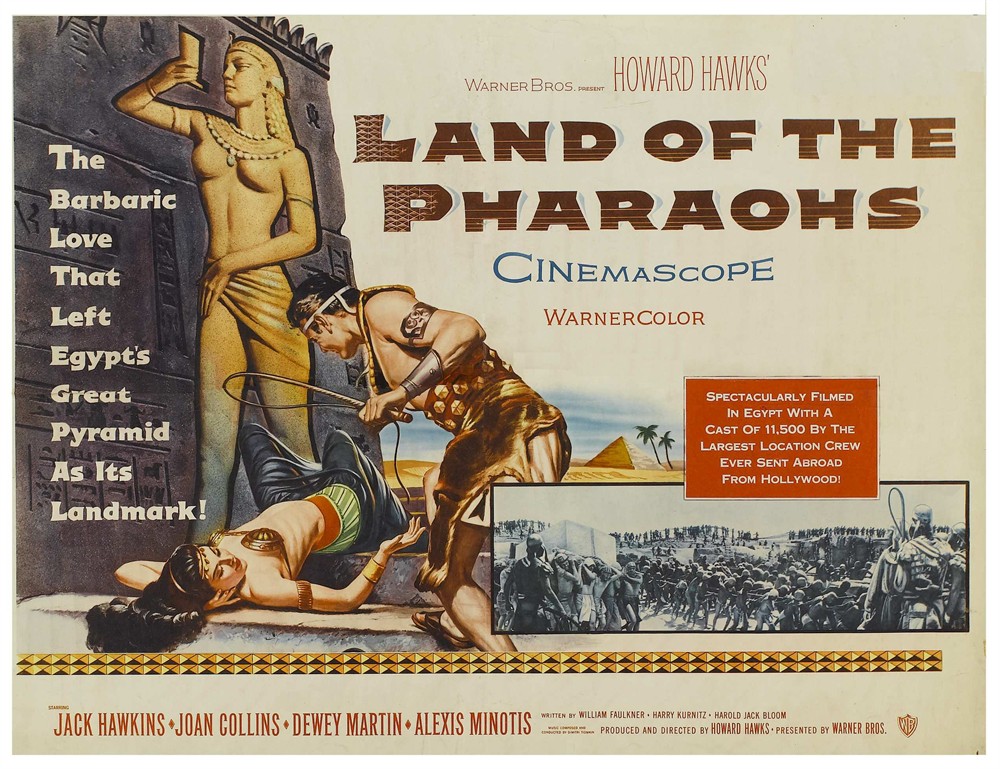
In 1958, when lauded movie director Howard Hawks decided to begin work on his next feature, it had been four years since he had directed a film – the longest break of his career. His previous outing, 1955’s Land of the Pharaohs, a big-budget sword-and-sandal-epic, had proven to be a critical, as well as commercial disaster. It was at that point that Hawks opted to take a hiatus from the movie business, and spent his time traveling around Europe.
Upon returning to the U.S., Hawks chose a Western theme for his new project, and although he had had previous success with the genre, he soon discovered that getting the “green-light” for his project from a studio would prove to be a challenge.
“Purple light in the canyons
That’s where I long to be
With my three good companions
Just my rifle, pony and me” – My Rifle, My Pony and Me (Tiomkin/Webster)
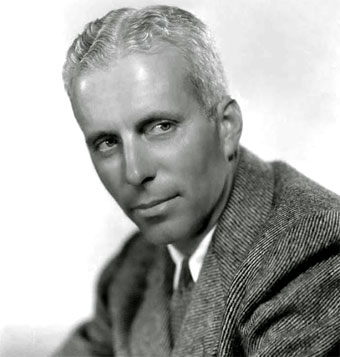
Howard Winchester Hawks was born May 30, 1896, in Goshen, Indiana. Howard’s father, Frank Winchester Hawks, descended from a family of American pioneers, whose ancestor John Hawks had emigrated from England to Massachusetts in 1630. His mother, Helen Brown (née Howard), was the grand-daughter of the founder of the Howard Paper Company, for whom Hawks’ father would work. By the 1890s, Howard Hawks’ family was one of the wealthiest in the Midwest.
In the early part of the twentieth-century Hawks’ family would begin spending time in Pasadena, California, where they were escaping the harsh Midwestern winters in hopes of improving Helen Hawks’ poor health. In 1910, the family permanently moved to California.
By the time Howard Hawks began attending Pasadena High School, he had discovered coaster racing (an early form of soapbox racing), and not too long afterward he learned to fly airplanes. Following high school, Hawks attended Cornell University in Ithaca, New York, where he majored in mechanical engineering, but was remembered by friends to have spent more of his time playing craps and drinking alcohol.

It was during a summer vacation away from college that he first began working in the film industry. His interest in aviation and auto racing had led to his becoming acquainted with Hollywood cinematographer Victor Fleming, and it was Fleming who found Hawks a job as a prop boy on a film that he was making.
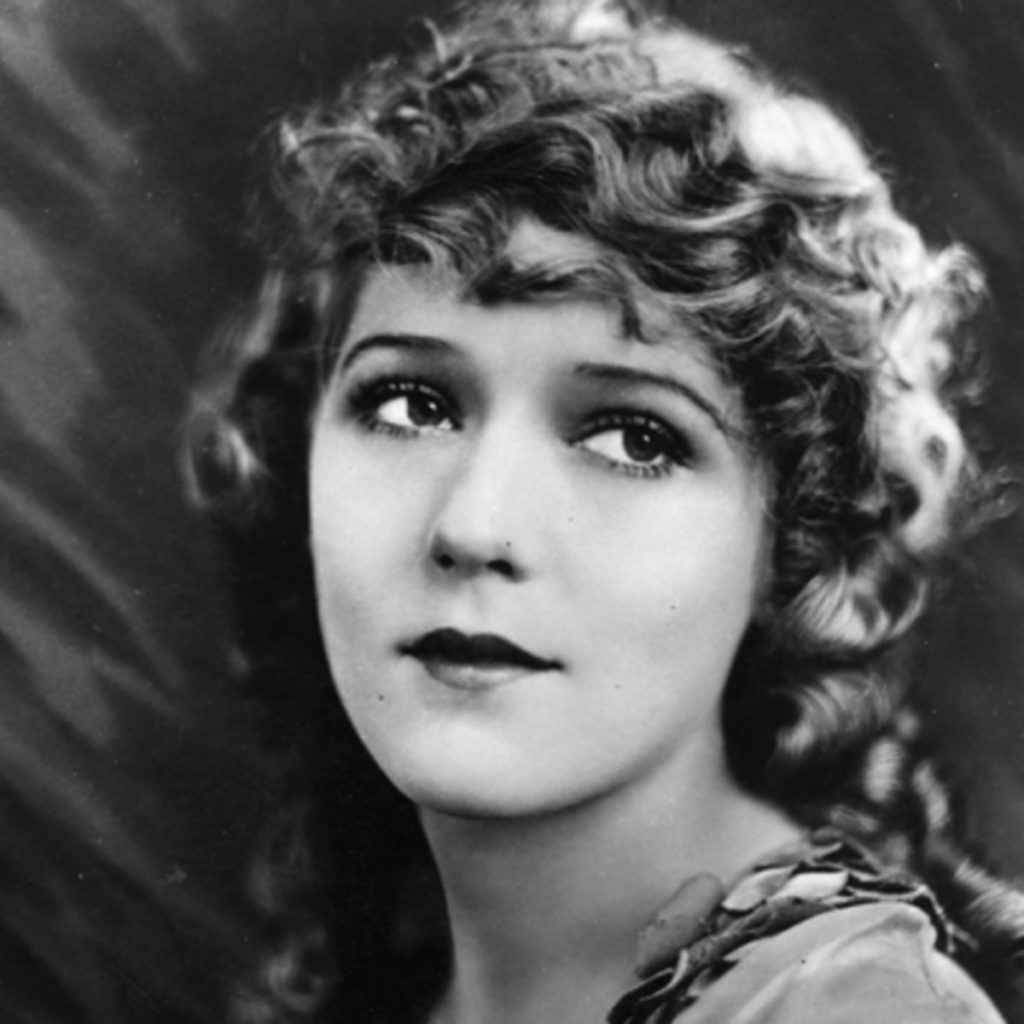
He returned to Cornell to continue his education but left school in April 1917, to join the Army, after the U.S. entered World War I. Hawks’ basic training took place at the University of California at Berkeley, where he was trained as a squadron commander in the air force. During his time in Berkeley, he was visited by actress Mary Pickford, whom he had met while working in Hollywood. According to Hawks, his superior officers were so impressed by his knowing the actress that they promoted him to flight instructor and sent him to Texas to teach new recruits.
Following the war, Hawks was anxious to return to Hollywood. He was soon finding film industry employment in a variety of capacities, proving himself with silent films, then proving himself anew as “talkies” began taking over the industry. Working for a number of different studios, producers, and directors, he was exposed to many different filmmaking techniques and philosophies, absorbing as many influences as he was able, as he began developing his own style.
“Gonna hang my sombrero
On the limb of a tree
Coming home, sweetheart darling
Just my rifle, pony and me” – My Rifle, My Pony and Me (Tiomkin/Webster)
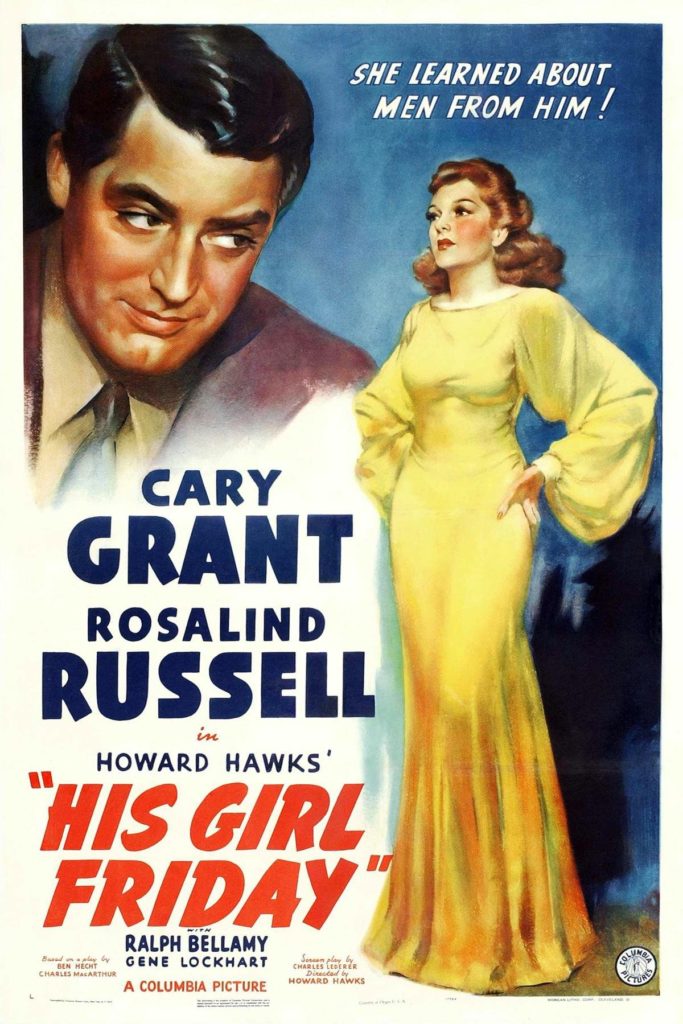
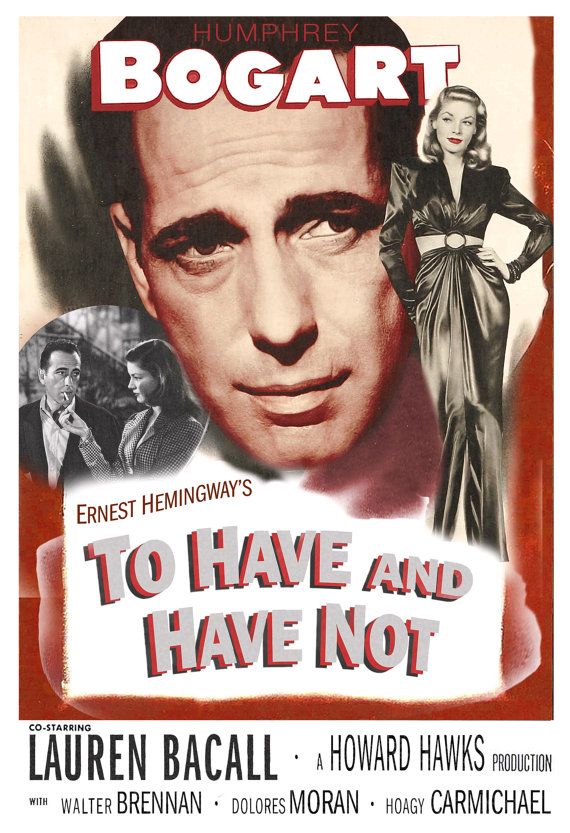
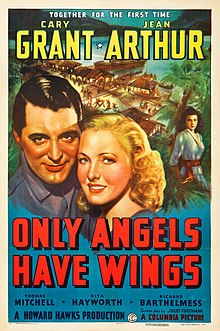
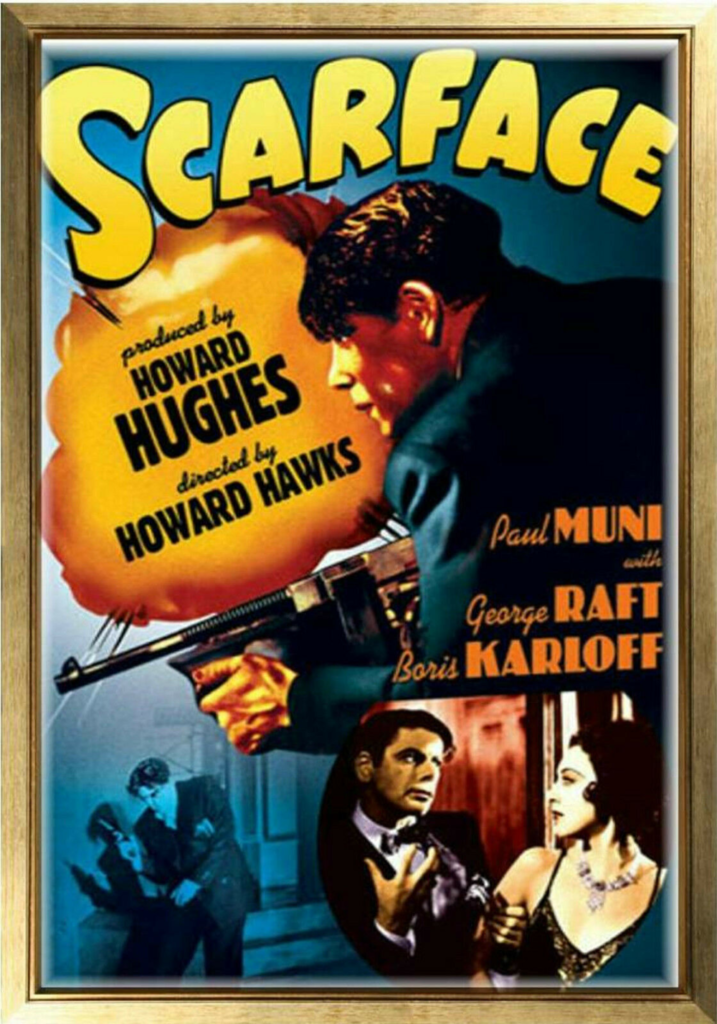
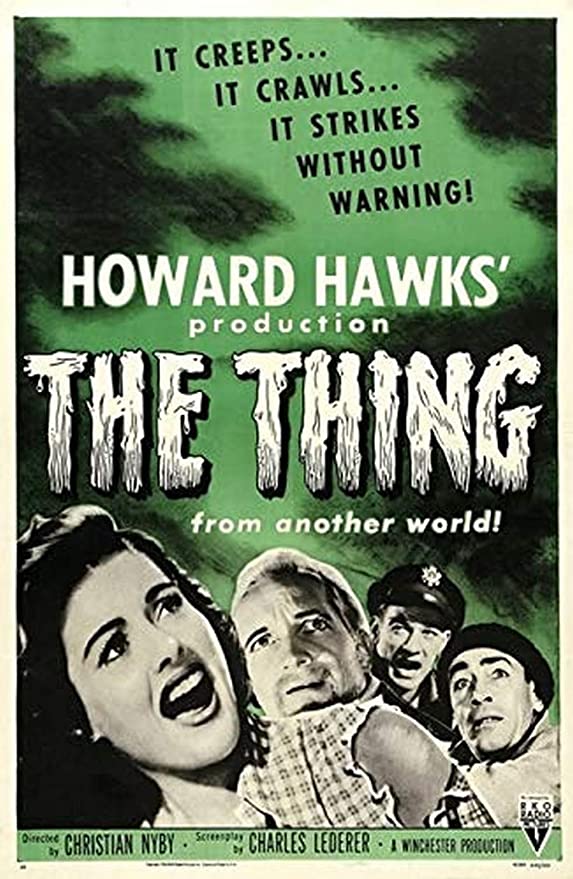
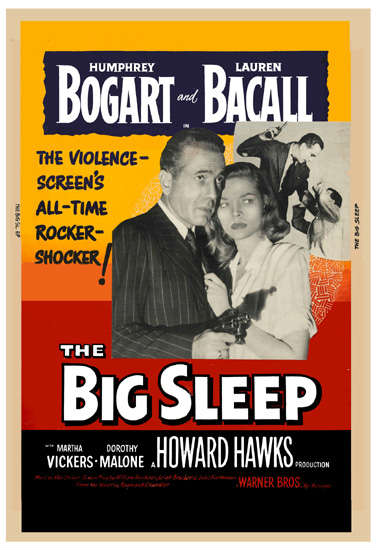
By the mid-twentieth century, Howard Hawks had established himself as a versatile film director, finding success in a variety of genres including comedies, dramas, gangster films, science fiction, film noir, and Westerns. But even a proven director with a stellar track record is not immune to making a clunker, which is exactly what happened when he directed the sword-and-sandal epic, Land of the Pharaohs. With a huge budget, a weak story, and no major stars, the movie was a failure, and Hawks left the country and the film industry for four years.
When Howard Hawks returned to the U.S. following his hiatus in Europe, one thing that caught his attention was the relatively new medium of television. He came to understand that to get viewers to tune in to a program each week it was important to have characters that they believed in and could identify with, making the plot almost secondary. Another observation was that in the late 1950s, one-third of all prime time television shows were Westerns.
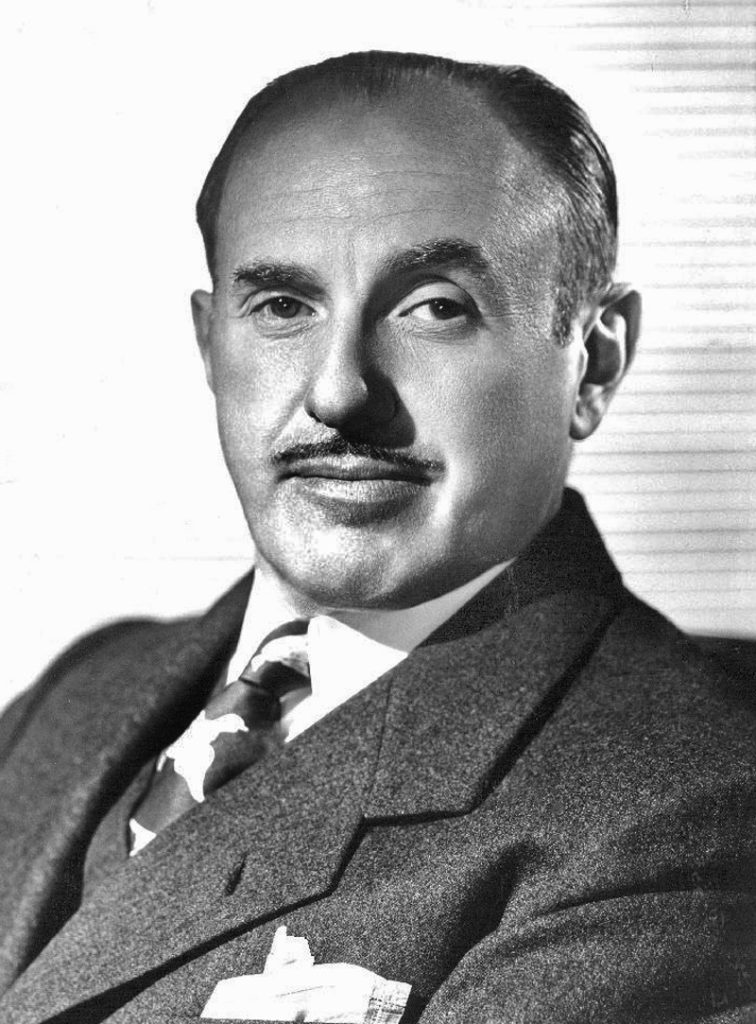
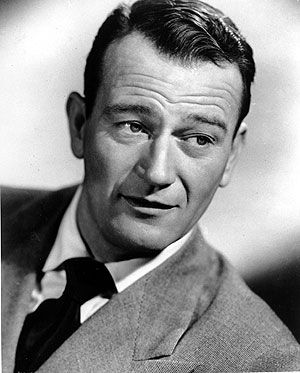
With a short story entitled “Rio Bravo” as his source material, Howard Hawks pitched the idea of a Western to Warner Bros studio head, Jack Warner. Warner replied that the genre was played out and was reluctant to give the go-ahead until Hawks was able to get John Wayne to agree to be in the film. Wayne had not made a Western for several years, and his four previous films had not enjoyed the same success as his bread-and-butter cowboy pictures did. John Wayne and Howard Hawks were both at a point in their respective careers where they needed each other to get back on track. With a working title of Bull by the Horns, and “Duke” Wayne in the starring role of Sheriff John T. Chance, the film that would become Rio Bravo was given the green light by Jack Warner, and Howard Hawks looked to casting the film’s supporting roles.
One source describes the movie’s plot as such:
“. . . the film is about the sheriff of the town of Rio Bravo, Texas, who arrests the brother of a powerful local rancher for murder and then must hold the man in jail until the arrival of the United States Marshall. With the help of a “cripple”, a drunk and a young gunfighter, they hold off the rancher’s gang.”
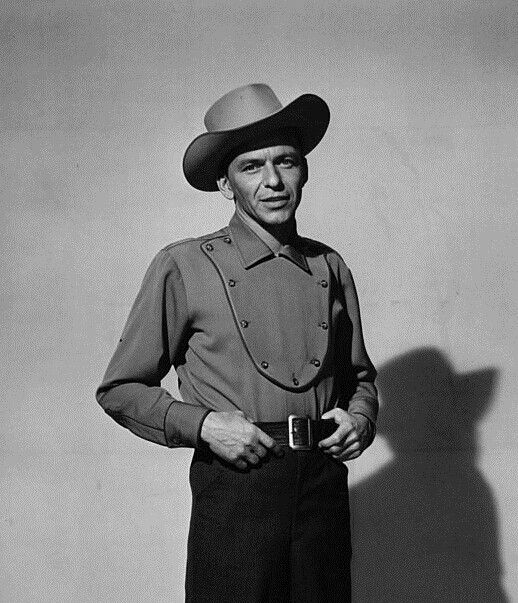
Frank Sinatra 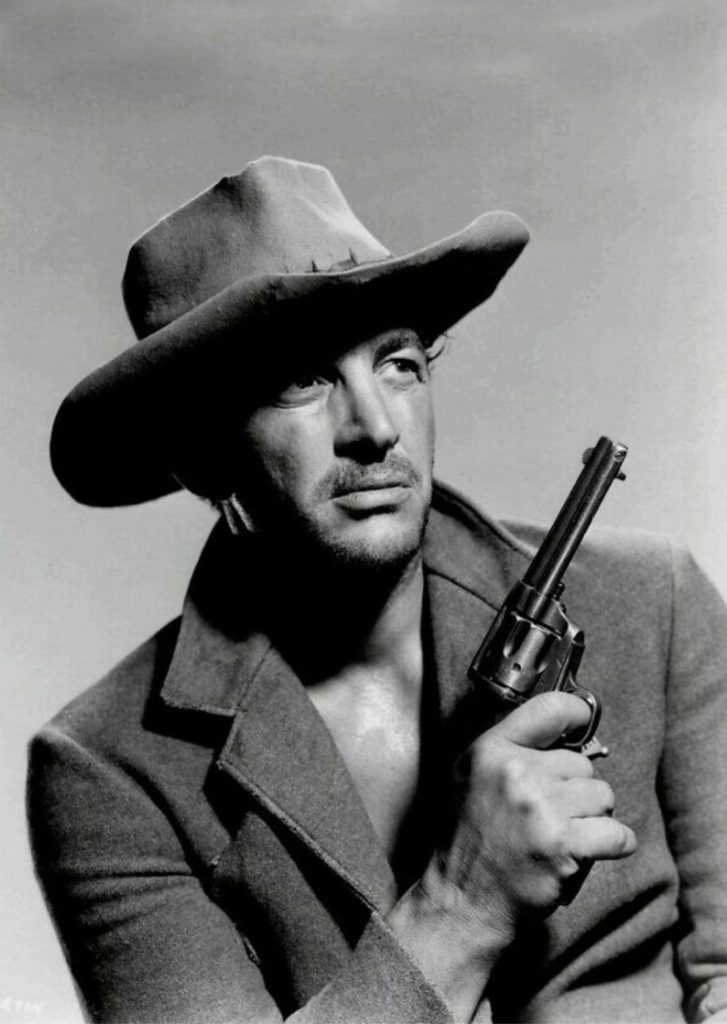
Dean Martin
Though it has been reported that Frank Sinatra was considered to play the role of Dude (the drunk), Howard Hawks tells the story that he was contacted by Dean Martin’s agent who explained that Dean was interested in the role. Hawks told the agent that he would meet with Martin at 9:30 the following morning. When Hawks learned that Martin had done a show in Las Vegas until midnight, and hired a plane to fly him to the meeting, he was so impressed with that kind of commitment, that he knew the actor would excel in the role. He immediately sent Martin to be fitted for wardrobe, indicating that he had won the part.
For the role of Colorado, the young gunslinger, Howard Hawks wanted an actor who would connect with teenagers. The director originally set his sights on Elvis Presley, but Elvis’ manager, Col. Tom Parker, asked for top billing and too much money. These demands didn’t fly with Howard Hawks or John Wayne, and the search continued.
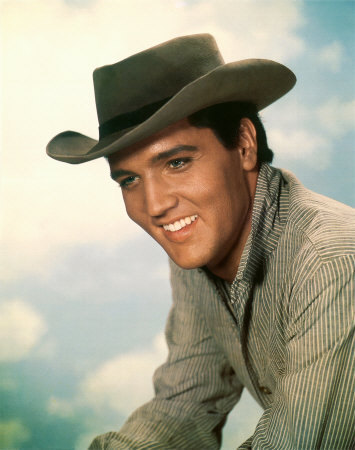
Elvis Presley 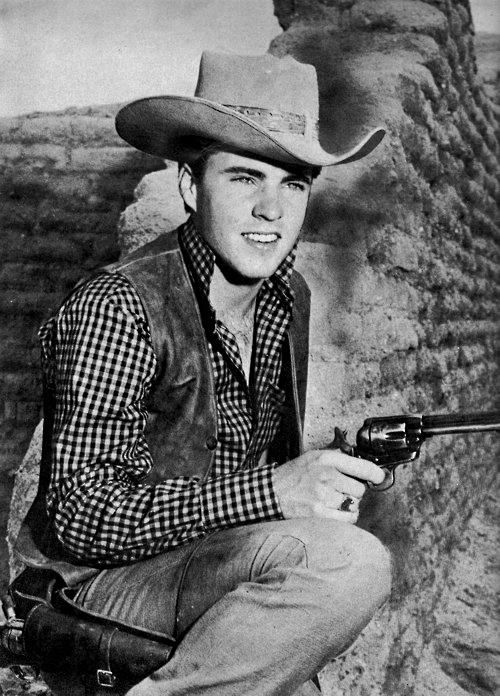
Ricky Nelson
Ricky Nelson was a huge star at the time, a teenager who had literally grown up on radio and television as a co-star of his family’s show, The Adventures of Ozzy and Harriet. In addition, he was now enjoying success as a recording artist due to the exposure he received performing musical numbers each week on his parents’ show. However, Howard Hawks initially believed Nelson to be too young and too lightweight for the role of Colorado. Later the director would concede that having Ricky in the picture had certainly been a boon to the film’s box office receipts.
Howard Hawks was known as a man’s man: he was tall, considered handsome, and was athletic – having won the United States Junior Tennis Championship at the age of eighteen. His pursuits included aviation, motorcycles, and auto-racing: he built the car that won the 1936 Indianapolis 500. The elements of style that his films possessed became known as “Hawksian”, with one of those elements being the quiet strength of his leading characters, both male and female.
“Whippoorwill in the willow
Sings a sweet melody
Riding to Amarillo
Just my rifle, pony and me” – My Rifle, My Pony and Me (Tiomkin/Webster)
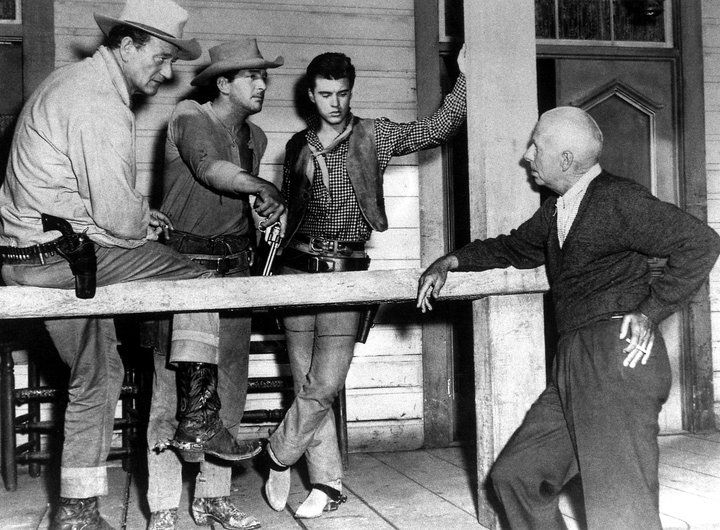
Another intrinsic “Hawksian” element was his scenes of camaraderie and male-bonding; a prime example being Rio Bravo’s jailhouse segment which takes place just prior to the movie’s final showdown and gunfight. In the scene, John Wayne, Dean Martin, Ricky Nelson, and veteran character actor Walter Brennan (playing Stumpy “the cripple”) have barricaded themselves inside the jail, and what else do you do when you have two world-class singers in your cast? You have them sing!
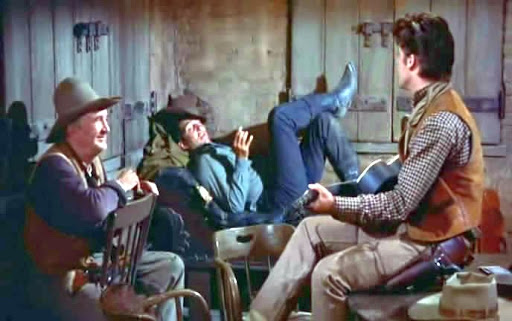
With Colorado providing guitar accompaniment and Stumpy on the harmonica, Dude begins singing, “My Rifle, My Pony and Me”, while Sheriff Chance looks on. Colorado then joins in, sharing the lead vocals and harmonies with Dude. At the conclusion of the cowboy ballad, Stumpy calls for another one, urging Colorado to “play something I can sing with you.” Colorado responds with the traditional folk song, “Get Along Home Cindy,” with Dude and Stumpy joining him on the choruses.
The scene may seem corny, and many critics have called it such, but for the men of Rio Bravo, this was an essential moment of male-bonding that was accomplished with music as opposed to dialogue.
“My Rifle, My Pony, and Me” was written by Rio Bravo’s musical score composer, Dimitri Tiomkin, who was known for his Western film scores, and with whom Howard Hawks had worked on Red River. “My Rifle, My Pony and Me” was created from a tune the composer had used in Red River, with lyrics added by Paul Francis Webster. Members of the Western Writers of America have chosen “My Rifle, My Pony and Me” as one of the Top 100 Western songs of all time.
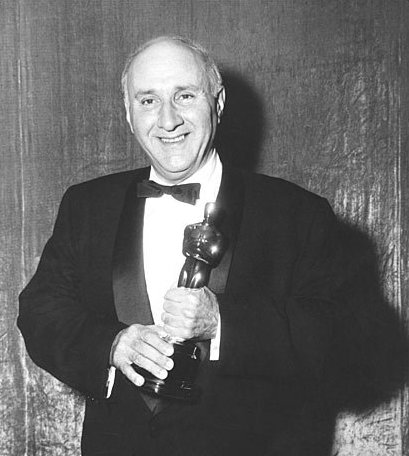
Dimitri Tiomkin 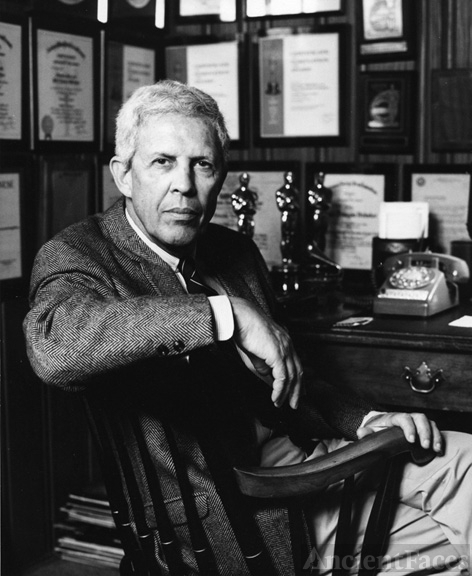
Paul Francis Webster
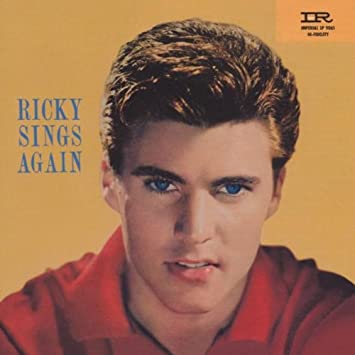
Over the film’s closing credits, Dean Martin, backed by the Nelson Riddle Orchestra, sings, “Rio Bravo”, also written by Tiomkin and Webster. In addition, Johnny Cash wrote the song, “Restless Kid” for the film, but it ended up not being used. Ricky Nelson recorded it and included it on his 1959 album, Ricky Sings Again.
Although Rio Bravo was a box office success, it was not initially praised by critics. However, the years have been kind to the film, and it is now regarded as one of the most influential films ever made. Indeed, Howard Hawks loved the plot so much, that he essentially remade the movie twice: as El Dorado in 1966, and Rio Lobo in 1970, both featuring John Wayne in the leading role. Director John Carpenter also found influence in Rio Bravo, using the plot as the basis for his 1976 film, Assault on Precinct 13.
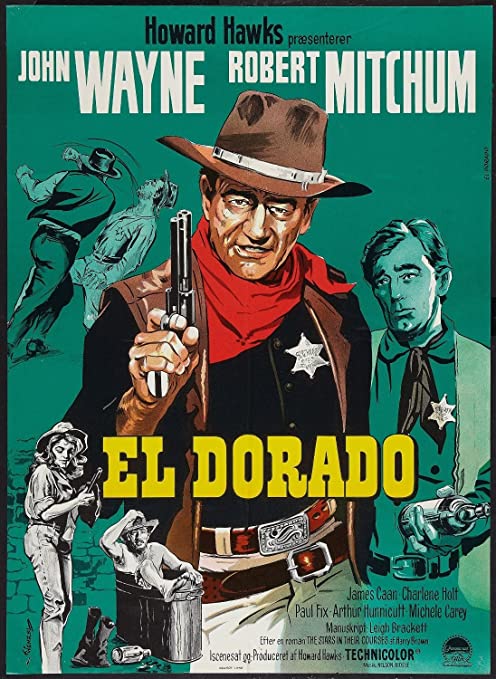
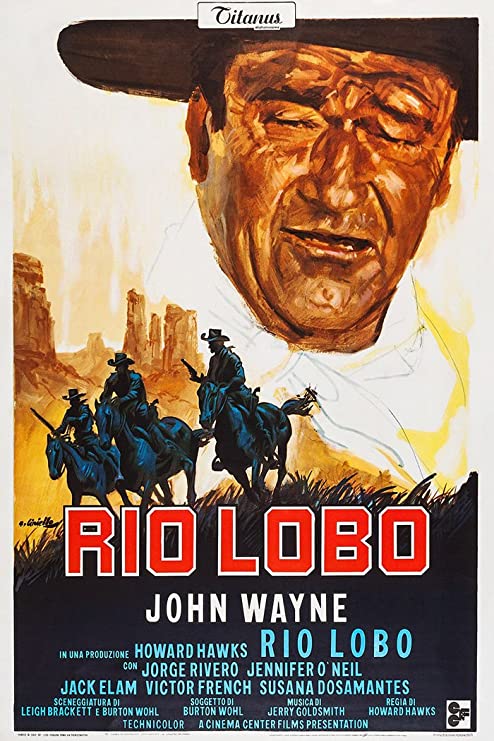
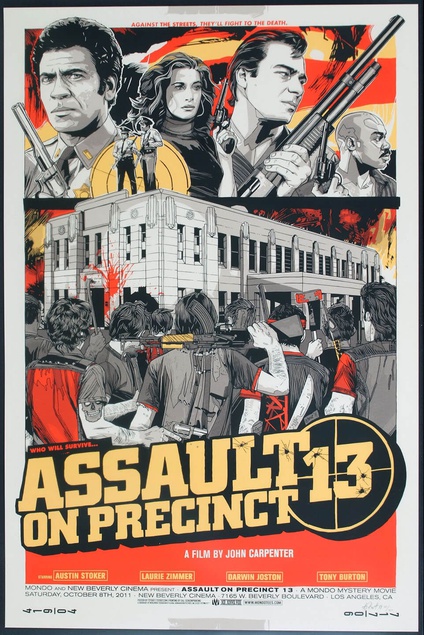
In 2008, the American Film Institute nominated Rio Bravo for its Top 10 Western Films list and it was the second-highest-ranking Western (63rd overall) in the 2012 Sight & Sound critics’ poll of the greatest films ever made. In 2014, Rio Bravo was deemed “culturally, historically, or aesthetically significant” by the Library of Congress and selected for preservation in the National Film Registry. And most important to a lover of music, Rio Bravo was the genesis of one of the all-time great cowboy songs. Take a listen and watch the scene below.
“No more cows to be roping
No more strays will I see
Round the bend, she’ll be waiting
For my rifle, pony, and me
For my rifle, my pony and me” – My Rifle, My Pony and Me (Tiomkin/Webster)
Sources:
https://en.wikipedia.org/wiki/Rio_Bravo_(film)
https://en.wikipedia.org/wiki/Howard_Hawks
https://www.rogerebert.com/reviews/rio-bravo-1959
https://www.imdb.com/title/tt0053221/trivia
All photos sourced through internet searches, none belong to the author.
]]>I fell in love with a Mexican girl
Nighttime would find me in Rosa’s Cantina
Music would play and Feleena would whirl” – El Paso (Marty Robbins)
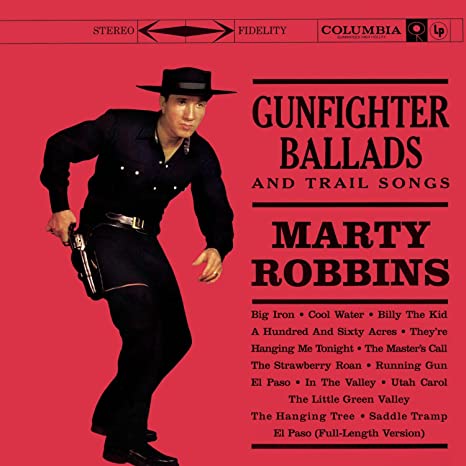
Marty Robbins’ fifth studio album – Gunfighter Ballads and Trail Songs – was released in September 1959. Although Robbins had enjoyed considerable success as a Country & Western artist, Columbia Records was not entirely sold on his idea of an entire album of cowboy-themed songs. Robbins further tested his label’s faith in him when a month later the groundbreaking song “El Paso” was released as a single from the album.
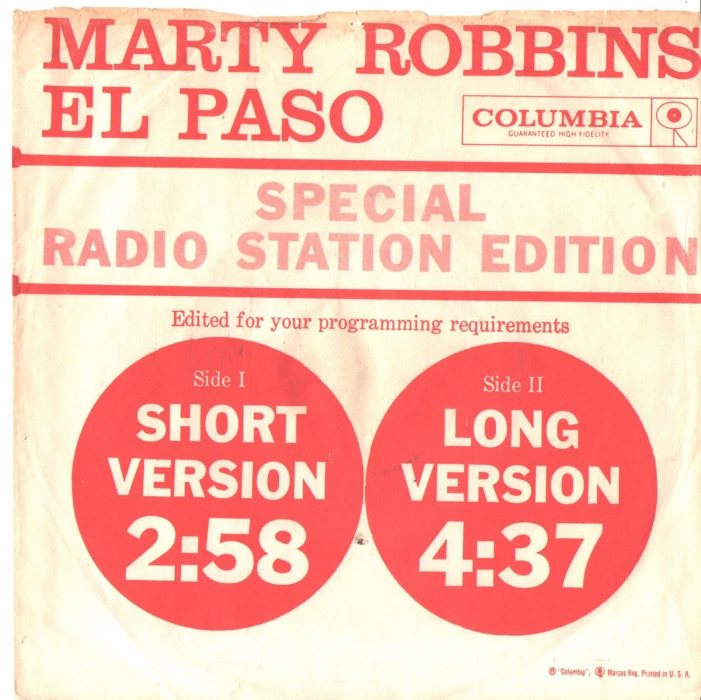
The industry trend at the time was for country songs to average between 2.5 to 3 minutes in length, and Robbins’ epic ballad clocked in at 4 minutes and 38 seconds. Believing that the song would never find favor with radio programmers in its original form, his label chose to release a promo 45 rpm that contained the original track, as well as an edited version that ran nearer the 3-minute mark. Lo and behold, disc jockeys and listeners preferred the full-length version, and “El Paso” would go on to become one of the most popular cowboy songs of all-time.
“Blacker than night were the eyes of Feleena
Wicked and evil while casting a spell
My love was deep for this Mexican maiden
I was in love, but in vain, I could tell” – El Paso (Marty Robbins)
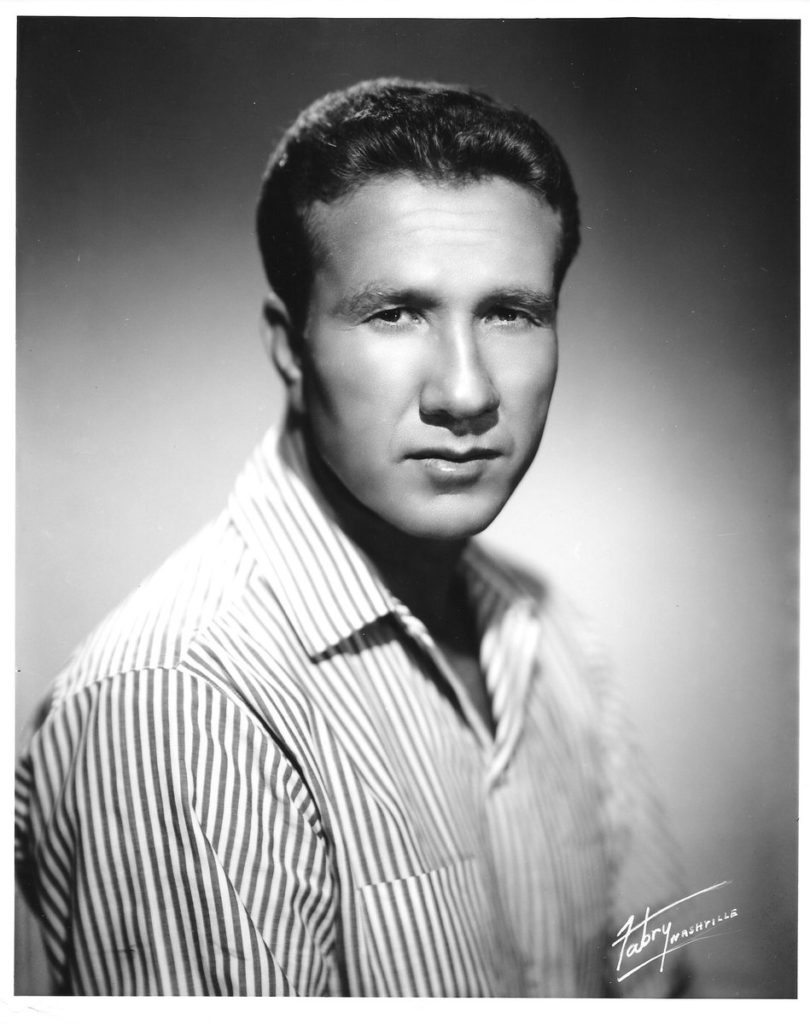
Martin David Robinson was born September 26, 1925, in a shack in the desert outside Glendale, Arizona – a suburb of Phoenix. Martin was the sixth of nine children, and his family was often on the move due to his father’s hard-drinking and occasional thievery. His mother, who was of mostly Paiute Indian descent, worked hard to provide for her family, and although his father, who was an amateur harmonica player, worked a succession of odd jobs, the Robinson family frequently relied on county welfare for many of life’s necessities.
Martin suffered from extreme shyness as a child, but also had a strong desire for acceptance and attention, both of which he found through his ability to entertain others with his singing and harmonica playing.
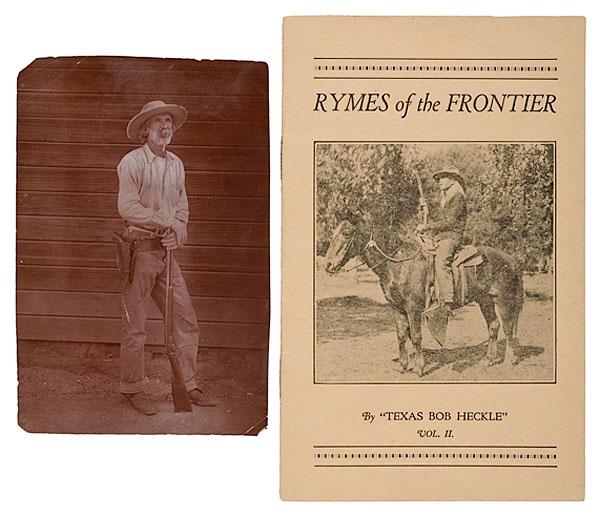
While his troubled home life was not easy, Martin had fond memories of listening to his grandfather’s narratives of the Old West. His maternal grandfather, “Texas” Bob Heckle, was a traveling salesman, storyteller, and medicine man, and the tales with which he regaled young Martin would have a significant influence upon his songwriting. Later in life, Robinson would recall:
“He had two little books of poetry he would sell. I used to sing him church songs and he would tell me stories. A lot of the songs I’ve written were brought about because of stories he told me. Like ‘Big Iron’ I wrote because he was a Texas Ranger. At least he told me he was.”
Further inspiration was derived from the movies Martin watched as a boy. His favorite star was Gene Autry, and he would spend mornings before school working out in the cotton fields to earn the money to see each new Autry release. Robinson recalls sitting in the front row of the theater, “close enough so I could have gotten sand in the eyes from the horses and powder burns from the guns. I wanted to be the cowboy singer, simply because Autry was my favorite singer. No one else inspired me.”
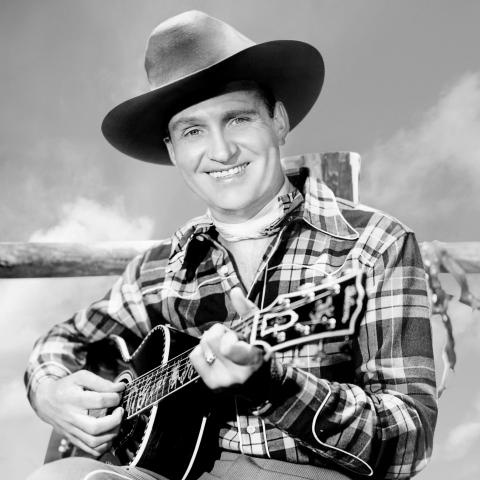
When Martin was 12 years old his parents divorced, and he moved to Phoenix with his mother and his eight siblings. Later he dropped out of high school and spent time with his brother herding goats and breaking wild horses.
“One night a wild young cowboy came in
Wild as the West Texas wind
Dashing and daring, a drink he was sharing
With wicked Feleena, the girl that I loved” – El Paso (Marty Robbins)
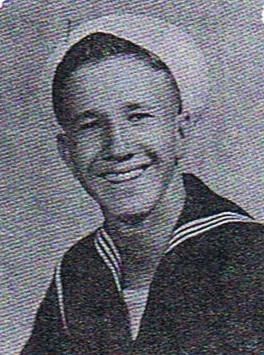
In 1943, at the age of 17, Martin enlisted in the U.S. Navy, exploiting the opportunity to leave his troubled family environment behind. His wartime service as a coxswain found him deployed to the Solomon Islands in the South Pacific, where as a crewman on a landing craft, he helped land U.S. Marines for the successful offensive to recapture the island of Bougainville from Japanese forces. It was during his military service that he taught himself to play the guitar, began writing songs, and acquired a fondness for Hawaiian music.
“So in anger, I challenged his right for the love of this maiden
Down went his hand for the gun that he wore
My challenge was answered in less than a heartbeat
The handsome young stranger lay dead on the floor” – El Paso (Marty Robbins)
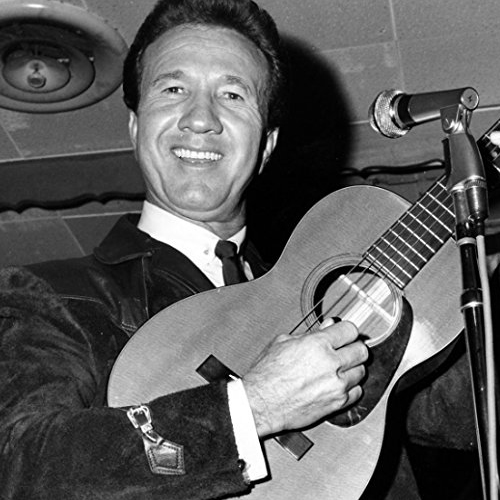
Following the war and his discharge from the Navy, Martin returned to Arizona and began singing with local bands in bars and nightclubs in the Phoenix area. To make ends meet he worked construction jobs during the daytime. One day while driving a brick truck he heard a country singer featured on radio station KPHO. Convinced that he could do a much better job he drove down to the station and talked his way into a place on the show. Heeding the advice of a friend, Robinson changed his name to Marty Robbins and before long was hosting his own radio show, Chuck Wagon Times.
As the 1940s drew to a close, Robbins was hosting his own local TV show, Western Caravan, on KPHO-TV. Little Jimmie Dickens, who made an appearance on Western Caravan while touring with the Grand Ole Opry roadshow, has been credited with discovering Marty Robbins and convincing Columbia Records to offer him a recording contract.
Robbins signed a recording deal with Columbia Records in 1951 and moved to Nashville with his wife Marizona , whom he had wed in 1948.
“Just for a moment I stood there in silence
Shocked by the foul evil deed I had done
Many thoughts raced through my mind as I stood there
I had but one chance and that was to run” – El Paso (Marty Robbins)
The year after his arrival in Nashville, Robbins released his first single, “Love Me or Leave Me Alone.” Although the song was not a great success, he scored his first Top 10 hit in 1953 with “I’ll Go on Alone”, and followed that up a few months later with another hit, “I Couldn’t Keep from Crying”.
During this period Robbins was invited to become a member of the Grand Ole Opry, which at the time was the nation’s most popular country radio show. For the next 25 years Robbins remained a regular member of the Opry cast.
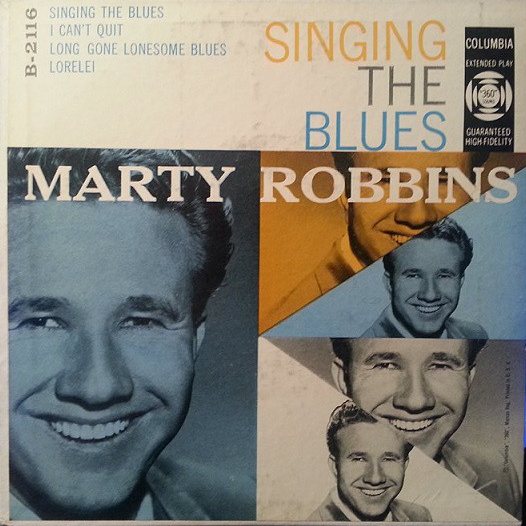
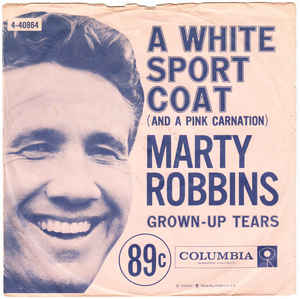
1956 saw Robbins achieve his first No. 1 hit on the country charts with the release, “Singing the Blues.” He would enjoy two more No. 1 songs the following year with “A White Sport Coat” and “The Story of My Life,” besides several other lower charting, but significant hits. Robbins’ star was undeniably on the rise, and hearkening back to the tales of the Old West from his youth, he had the idea of a new direction for his next major release.
“Out through the back door of Rosa’s I ran
Out where the horses were tied
I caught a good one, it looked like it could run
Up on its back, and away I did ride
Just as fast as I could from
The West Texas town of El Paso
Out to the badlands of New Mexico” – El Paso (Marty Robbins)
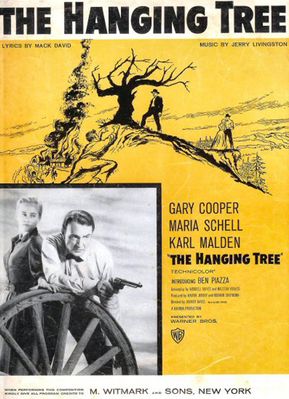
When Marty Robbins approached his label about recording an album of cowboy songs the execs balked. Columbia had originally paired him with producer Mitch Miller, marketing him as a pop act and they were not at all sure his idea of an album of cowboy & outlaw ballads was a good fit. In an effort to prove to the label that his intentions were not misguided he recorded “The Hanging Tree”, the title track of a 1959 western. The song went to No. 15 on the country charts in April of that year, and Columbia relented, allowing Robbins just one day to record his cowboy album.
“Back in El Paso my life would be worthless
Everything’s gone in life, nothing is left
It’s been so long since I’ve seen the young maiden
My love is stronger than my fear of death” – El Paso (Marty Robbins)
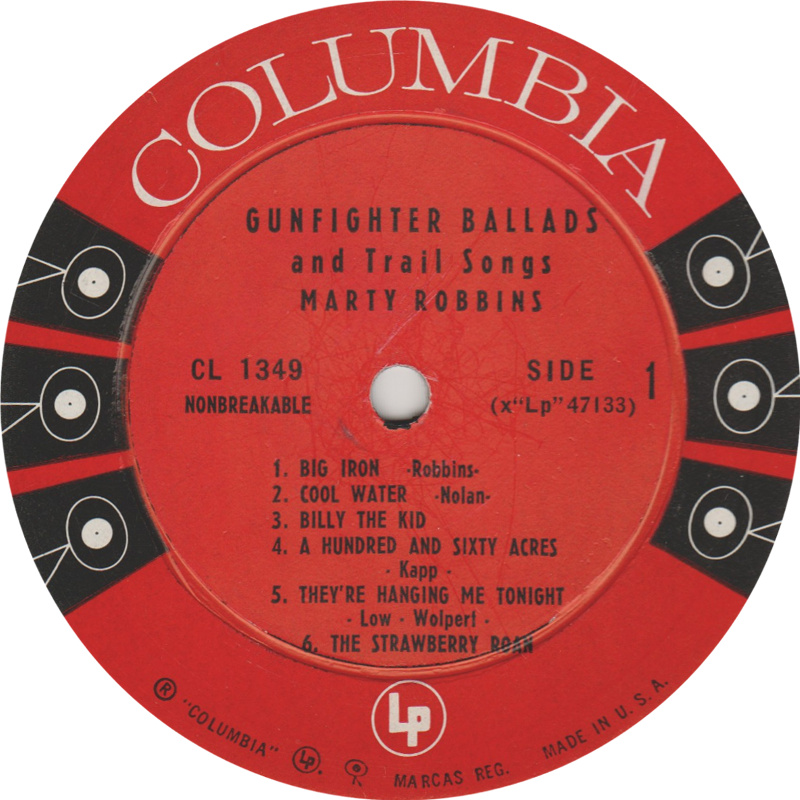
Employing a group of Nashville session men who were known collectively as the “A-Team”, Robbins managed to complete the tracks that would comprise Gunfighter Ballads and Trail Songs in just five hours, with the session produced by Don Law. The album was released by Columbia Records in September 1959, eventually peaking at #6 on the U.S. pop albums chart; it was certified Gold by the RIAA in 1965 and Platinum in 1986. In 2017, the album was selected for preservation in the National Recording Registry by the Library of Congress as being “culturally, historically, or artistically significant”, and AllMusic has called Gunfighter Ballads and Trail Songs, “the single most influential album of Western songs in post-World War II American music”.
“I saddled up and away I did go
Riding alone in the dark
Maybe tomorrow a bullet may find me
Tonight nothing’s worse than this pain in my heart
“And at last here I am on the hill overlooking El Paso
I can see Rosa’s Cantina below
My love is strong and it pushes me onward
Down off the hill to Feleena I go” – El Paso (Marty Robbins)
A month later “El Paso” was released as the album’s first single. The story is told that Marty Robbins was traveling from Nashville to his home in Phoenix before Christmas 1956, and while driving through El Paso he remembered his youthful infatuation with the cowboy songs of Gene Autry and had the thought to write a song about the city. Being distracted by the road and his family he soon forgot the idea. The following year while making the same journey, he was again inspired to write a song about El Paso, but once again the idea was fleeting. Finally, on the family’s third pass through El Paso for Christmas of ’58, Robbins began composing a tune in his head.
They stopped near a bar in town, only to find it closed for the holiday. In an exchange with some locals he learned that the hills behind where he was stopped were in fact the “badlands of New Mexico” – a phrase that stuck in Robbins’ head, and made it into the song’s lyrics. When the family resumed their travel, Robbins continued composing “El Paso” on his guitar in the back seat of his turquoise Cadillac while his wife “Mari” drove. He claims that when the family arrived in Deming, New Mexico, a few hours later, the song was complete.
By the dawning of the new decade, “El Paso” would reach No. 1 on both the country and pop music charts, and go on to receive the first Grammy awarded for Best Country & Western Recording in 1961. Furthermore, “El Paso” became the first song longer than four minutes to top the Hot 100 chart, and for the year 1960, was more than a minute longer than any other song on that chart.
“Off to my right, I see five mounted cowboys
Off to my left ride a dozen or more
Shouting and shooting, I can’t let them catch me
I have to make it to Rosa’s back door
“Something is dreadfully wrong for I feel
A deep burning pain in my side
Though I am trying to stay in the saddle
I’m getting weary, unable to ride” – El Paso (Marty Robbins)
In 1966, Robbins revisits his song “El Paso” by releasing “Feleena (From El Paso)”, a more than 8-minute-long ballad that tells the story of the earlier song’s heroine, a character that Robbins named after a 5th-grade schoolmate, Fidelina Martinez. In 1976, he released “El Paso City” -a recording that would reach No. 1 on the country charts – again revisiting the story of the original song, and including themes that reference both of the earlier recordings. It has also been reported that Robbins intended to visit the theme one last time with “The Mystery of Old El Paso”, but had not finished the song prior to his death in 1982.
“But my love for Feleena is strong, and I rise where I’ve fallen
Though I am weary I can’t stop to rest
I see the white puff of smoke from the rifle
I feel the bullet go deep in my chest” – El Paso (Marty Robbins)
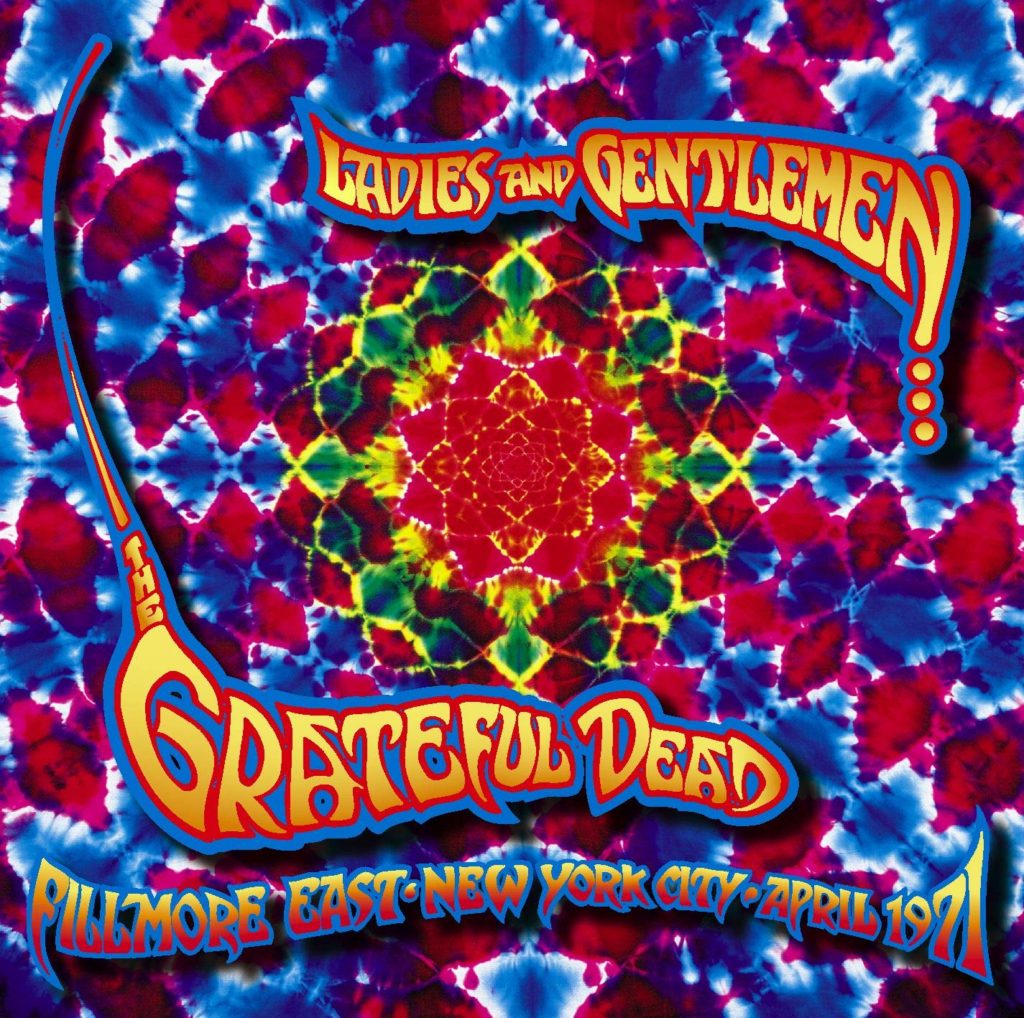
Marty Robbins’ best-known song has become an icon of popular culture. The song was a staple of The Grateful Dead’s live repertoire, being performed by the band nearly 400 times. On the album Ladies and Gentlemen… The Grateful Dead, Bob Weir introduces the song as the Dead’s “most requested number”.
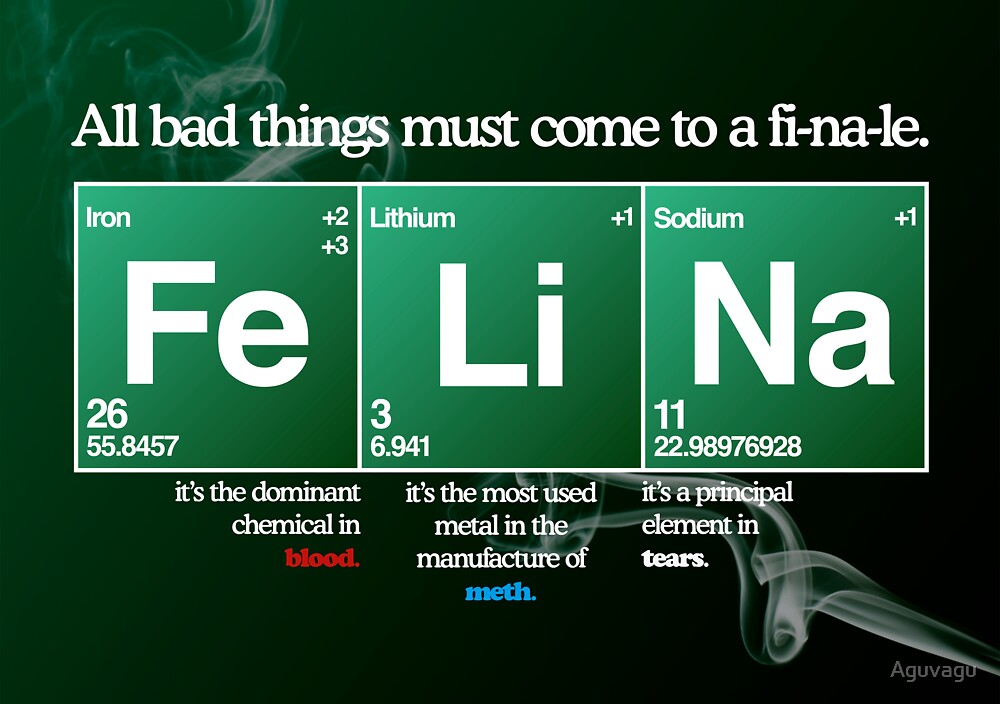
The song has been recorded by numerous artists, including alternative, parody, foreign language and instrumental versions. And the series finale of the TV show Breaking Bad was titled “Felina”, with the opening scene featuring the song playing on the stereo of a stolen car.
Members of the Western Writers of America have chosen “El Paso” as one of the Top 100 Western songs of all time.
“From out of nowhere Feleena has found me
Kissing my cheek as she kneels by my side
Cradled by two loving arms that I’ll die for
One little kiss, and Feleena, goodbye” – El Paso (Marty Robbins)
Sources:
https://en.wikipedia.org/wiki/El_Paso_(song)
https://en.wikipedia.org/wiki/Gunfighter_Ballads_and_Trail_Songs
https://en.wikipedia.org/wiki/Marty_Robbins
https://kxrb.com/story-behind-the-song-el-paso/
https://www.liveabout.com/history-of-marty-robbins-el-paso-2522358
https://www.songfacts.com/facts/marty-robbins/el-paso
https://www.biography.com/musician/marty-robbins
https://www.britannica.com/biography/Marty-Robbins
All photos sourced through internet searches, none belong to the author.
]]>He was workin’ cheap, just buyin’ time
And then he laughed and said I’m goin’
And so he left that peaceful life behind” – Doolin-Dalton (Henley, Frey, Browne, Souther) © Red Cloud Music, Warner Chappell Music, Inc.
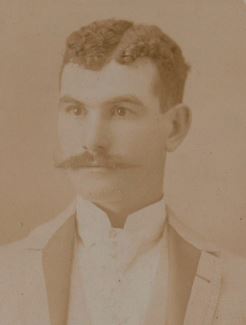
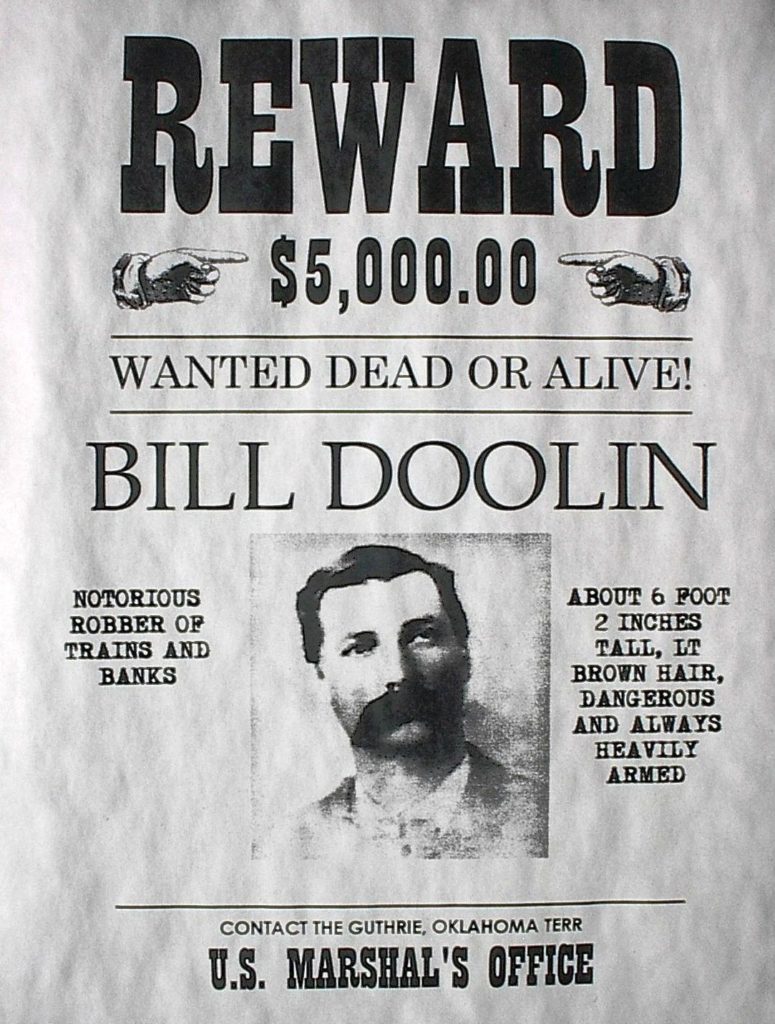
William “Bill” Doolin was born in Johnson County, Arkansas, in 1858. He grew up toiling on his family’s farm until his twenty-third birthday when he left home hoping to find work as a cowboy.
Doolin drifted west, working a succession of odd jobs before finding employment at the H-X Bar Ranch, located on the Cimarron River in Indian Territory (present-day Oklahoma). The enterprise was owned by a man named Oscar Halsell, who after taking a liking to Doolin, began teaching him to read & write, along with some simple arithmetic. Believing Doolin to be honest and trustworthy, Halsell eventually made him an informal foreman on his ranch.
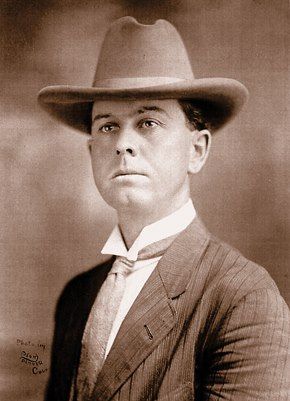
It was during his tenure at the H-X Bar Ranch that Bill Doolin met Emmett Dalton, and throughout the ensuing decade, he would end up meeting and working with a number of other cowboys that he would later associate with as an outlaw.
“They were Doolin, Doolin-Dalton
High or low, it was the same
Easy money, and faithless women
Red-eye whiskey for the pain” – Doolin-Dalton (Henley, Frey, Browne, Souther)
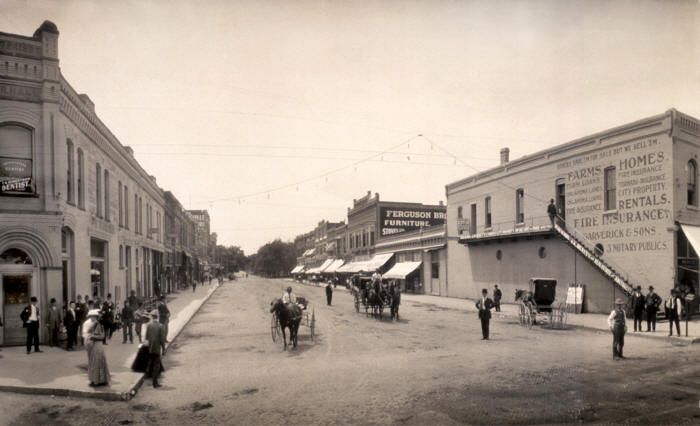
Losing interest in living the predictable life of a ranch hand, and having taken to hanging with a rough crowd, Bill Doolin had his first run-in with the law in 1891 in Coffeyville, Kansas. To celebrate the 4th of July, Bill and several friends had tapped a keg of beer and proceeded to get drunk. Kansas was a dry state, and when lawmen attempted to confiscate the alcohol, a gunfight broke out. After two lawmen were wounded in the exchange, Doolin and his associates quickly cleared out of town.
Now a wanted man, it wasn’t long before Bill Doolin hooked up with Emmett Dalton, his brothers Bob, Bill & Grat, and a group of other men who together were known as the Dalton Gang. It was at this point that Doolin enthusiastically embarked on his career as a criminal.
“Go down Bill Dalton, it must be God’s will
Two brothers lyin’ dead in Coffeeville
Two voices call to you from where they stood
‘Lay down your law books now, they’re no damn good’” – Doolin-Dalton (Henley, Frey, Browne, Souther)
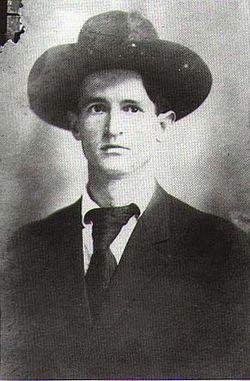
Bob Dalton 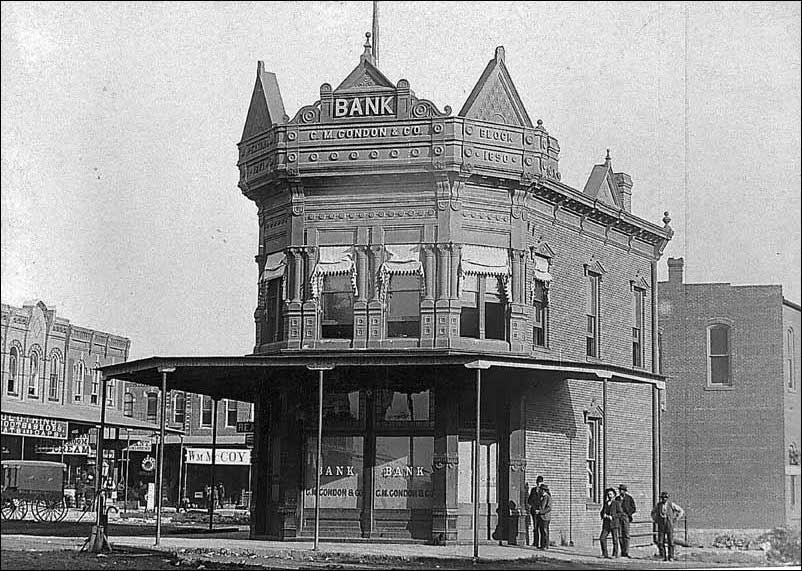
Condon Bank, Coffeyville, Kansas
The gang was dominated by Bob Dalton, who has been described as ambitious. He once claimed he would “beat anything Jesse James ever did—rob two banks at once, in broad daylight.” The Dalton Gang attempted to do just that on October 5, 1892, when they planned to rob the C.M. Condon & Company’s Bank and the First National Bank on opposite sides of the street in Coffeyville, Kansas. The failed bank robberies would claim the lives of Bob & Grat Dalton, as well as gang members Dick Broadwell and Bill Powers; Emmett Dalton received twenty-three gunshot wounds, was apprehended, and given a life sentence, of which he would serve fourteen years before being pardoned; Bill Dalton had been waiting a short distance from town with Bill Doolin and spare horses, and both men managed to avoid detection.
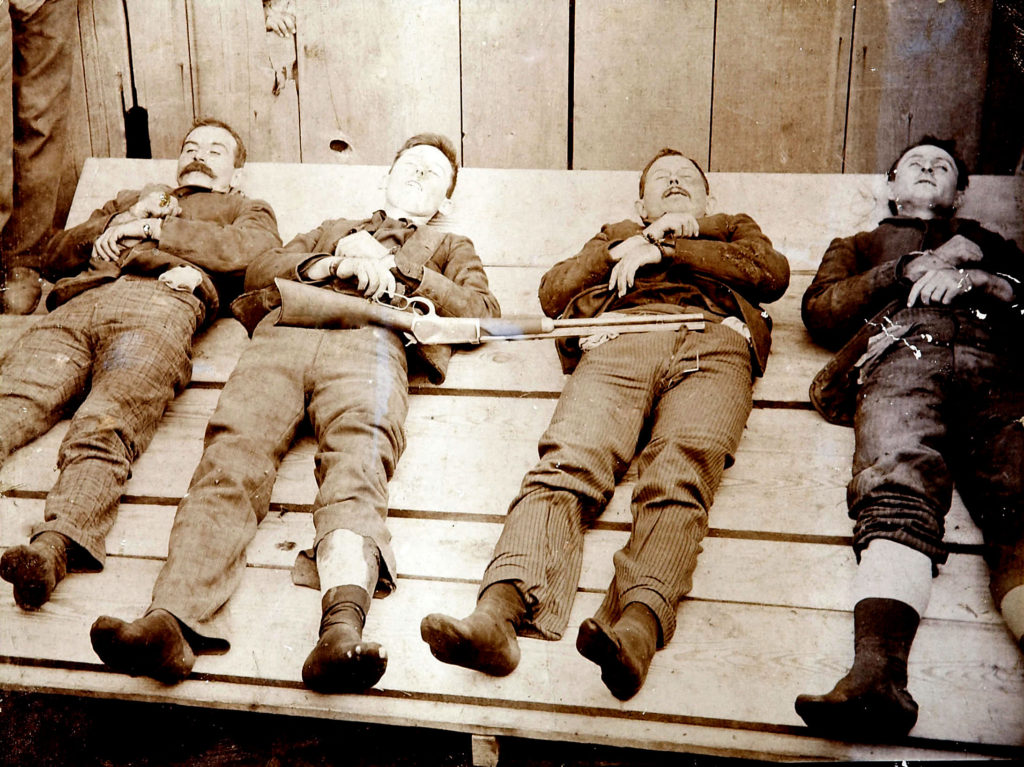
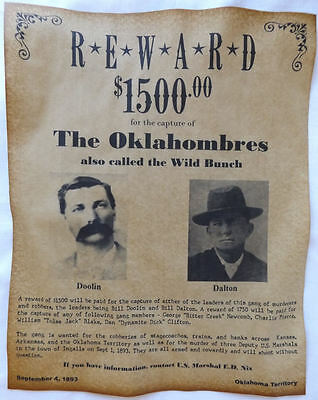
The two Bills continued their lives of thievery along with several other desperados in a new association that was variously known as the Doolin-Dalton Gang, the Wild Bunch, or the Oklahombres.
“Better keep on movin’, Doolin-Dalton
Till your shadow sets you free
And if you’re fast, and if you’re lucky
You will never see that hangin’ tree” – Doolin-Dalton (Henley, Frey, Browne, Souther)
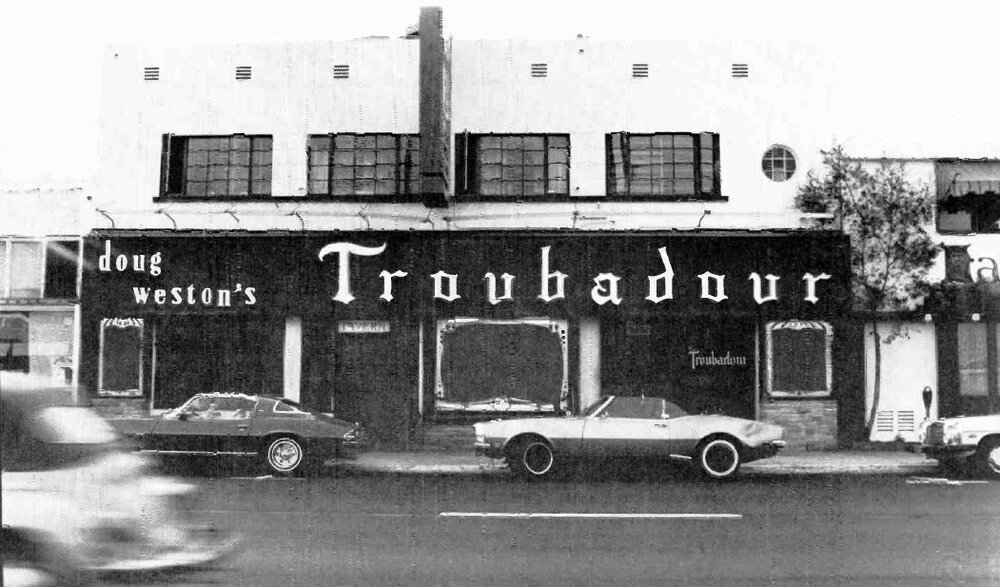
Don Henley met Glenn Frey in 1970 at Doug Weston’s Troubadour in West Hollywood, California. Henley had come to LA from Texas with his band Shiloh, where they were to record an album produced by Kenny Rogers. Frey had come to LA from Michigan and formed a duo called Longbranch Pennywhistle with John David Souther. By coincidence, both happened to be signed to the same label, Amos Records.
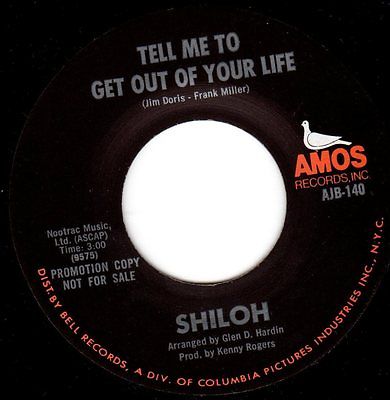
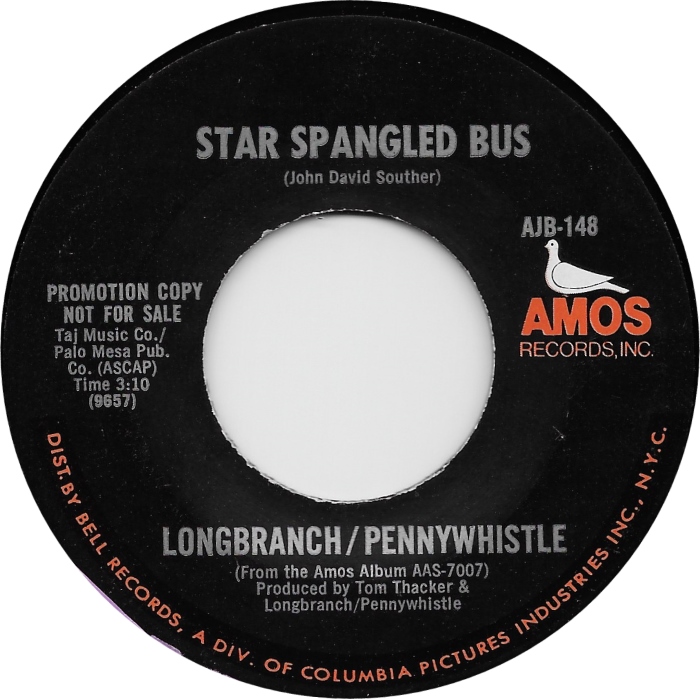
In early 1971 Henley & Frey were recruited by Linda Ronstadt’s manager, John Boylan, to accompany Linda as part of her backup band. It was while touring with Linda that Henley & Frey decided to start a group together. Informing Linda of their decision, it was her suggestion to include Bernie Leadon; they also reached out to bassist Randy Meisner with their idea for a band. All four of the musicians had performed live with Linda at a Disneyland gig in July.
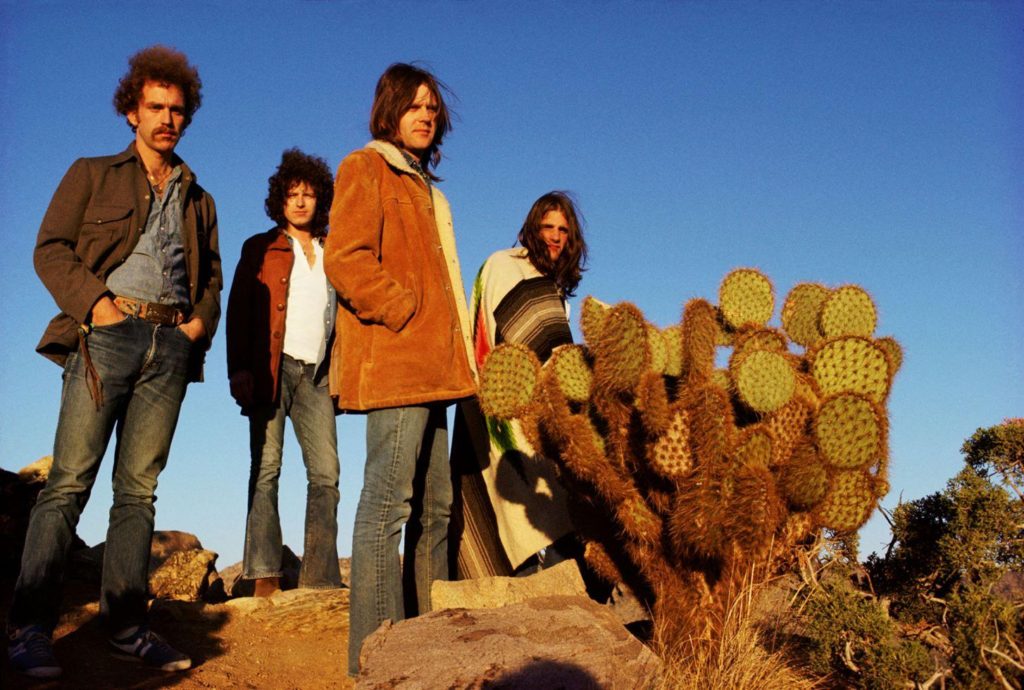
Henley, Frey, Leadon, and Meisner were signed in September 1971 to David Geffen’s new Asylum label, and not yet having settled on a name, the group played their first show in October as Teen King and the Emergencies at a club called The Gallery in Aspen, Colorado.
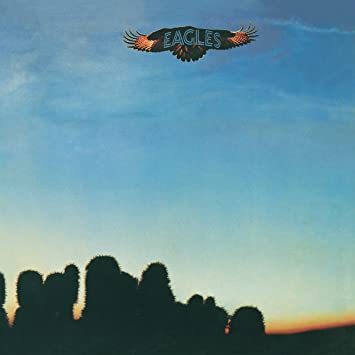
While there are differing accounts as to the origin of the band’s name, their eponymous first album, Eagles, released in June 1972, was a solid success, yielding three Top 40 singles – “Take It Easy”, “Witchy Woman” & “Peaceful Easy Feeling” – which reached #12, #9 and #22 respectively on the Billboard Hot 100. The album also firmly established the band’s country-rock sound.
“I am an outlaw, I was born an outlaw’s son
The highway is my legacy
On the highway, I will run
In one hand I’ve a Bible
In the other, I’ve got a gun
Well, don’ you know me
I’m the man who won” – Outlaw Man (David Blue) © Warner Chappell Music
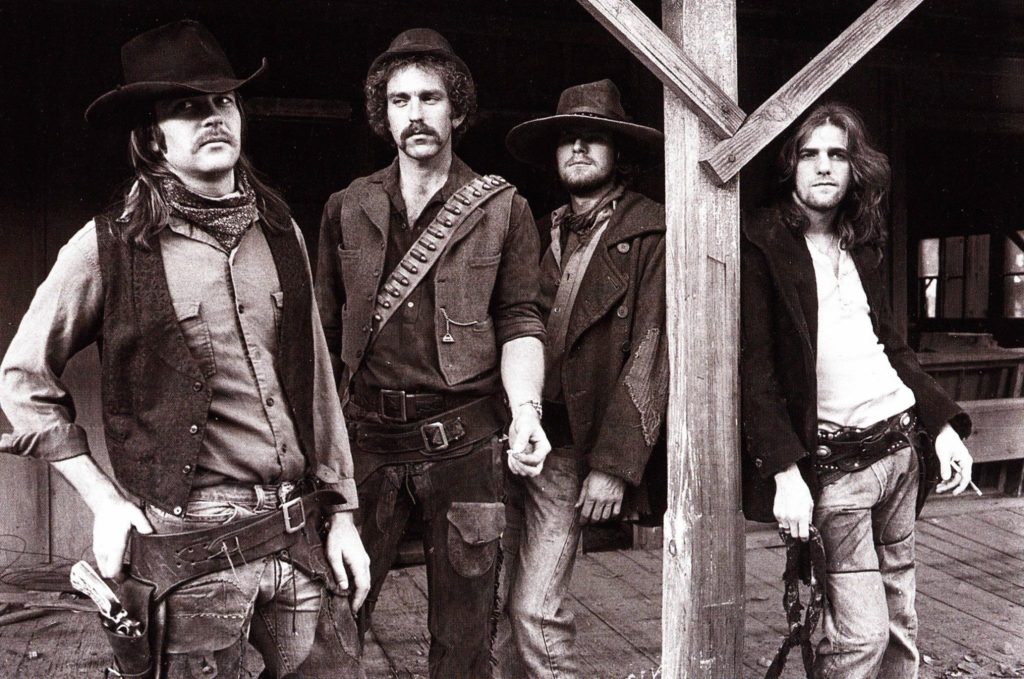
For their sophomore outing, Glenn Frey proposed that the Eagles make a concept album. According to Frey, after a night of jamming with his cohorts, they had the idea of doing an album about anti-heroes. A source of inspiration cited was a book on gunfighters of the Wild West given to Jackson Browne for his 21st birthday. Browne showed the book to Frey & Henley and suggested it as a theme. The book featured stories of the Doolin-Dalton gang, among others, which influenced the album’s lead-off track, and helped establish the offering’s Western theme.
During the recording of Eagles in England, Glenn Frey and Don Henley decided they should write songs together. One of their first collaborations became the second album’s title track, “Desperado”, based on a song that Henley had begun writing in 1968. After returning from London, in their first songwriting session together, Henley played his composition for Glenn Frey. He explained to Glenn, “When I play it and sing it, I think of Ray Charles and Stephen Foster. It’s really a Southern Gothic thing, but we can easily make it more Western.” Henley recalls that Frey “leapt right on it – filled in the blanks and brought structure”, adding, “And that was the beginning of our songwriting partnership … that’s when we became a team.”
“It’s another tequila sunrise
Starin’ slowly ‘cross the sky
Said goodbye
He was just a hired hand
Workin’ on the dreams he planned to try
The days go by” – Tequila Sunrise (Frey / Henley)
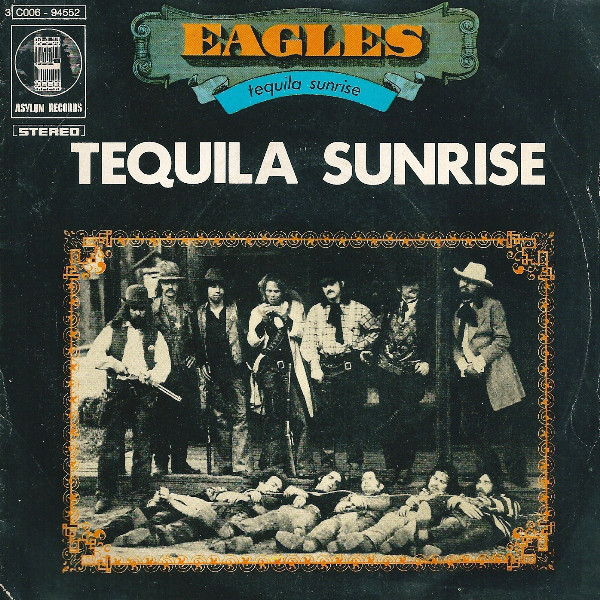
The first single released from Desperado, “Tequila Sunrise”, was written by Frey & Henley in the same week that they wrote the title track. They would also be involved in the writing of eight out of eleven tracks that appear on the album.
“First left my woman, it was down in Santa Fe
Headed for Oklahoma, I was ridin’ night and day
All of my friends are strangers
They quickly come and go
And all my love’s in danger
‘Cause I steal hearts and souls” – Outlaw Man (David Blue)
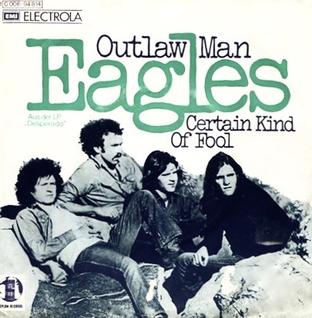
The second single released from the album was, “Outlaw Man.” Written by David Blue, with lead vocals from Glenn Frey, the song continues the outlaw/anti-hero motif, while also lending itself to the Old West theme. It is the only song on the album which was not written by a band member.
“Twenty-one and strong as I can be
I know what freedom means to me
And I can’t give the reason why
I should ever want to die” – Twenty-One (Bernie Leadon)
“Twenty-One” is the album’s second track. Written by guitarist Bernie Leadon, the title of the song refers to the age of Emmett Dalton at the time of the failed Coffeyville bank robberies, when he was shot 23 times, but lived to be convicted and sentenced to life in prison.
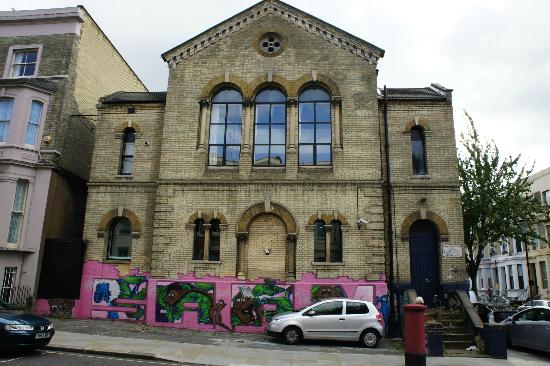
Desperado was produced by Glyn Johns and recorded at Island Studios in London over a period of four weeks. Working to complete the album quickly and economically, Johns would limit each track to four or five passes, refusing requests from the band for more takes. It is reported that when Johns played the completed album in its entirety for the band, they were so pleased with the result that they carried their producer from the control room on their shoulders.
However, when the album was played for Jerry Greenberg, the president of Atlantic Records, he exclaimed, “Jeez, they’ve made a f***ing cowboy album!”
Released in April 1973, Desperado was not initially a commercial success. It remains the Eagles’ lowest charting album to date and did not include any hit songs, as both its singles – “Tequila Sunrise” & “Outlaw Man” – failed to break into the Top 50 in the singles chart. Paul Gambaccini of Rolling Stone concluded his review of the album: “Desperado won’t cure your hangover or revalue the dollar, but it will give you many good times. With their second consecutive job well done, the Eagles are on a winning streak.”
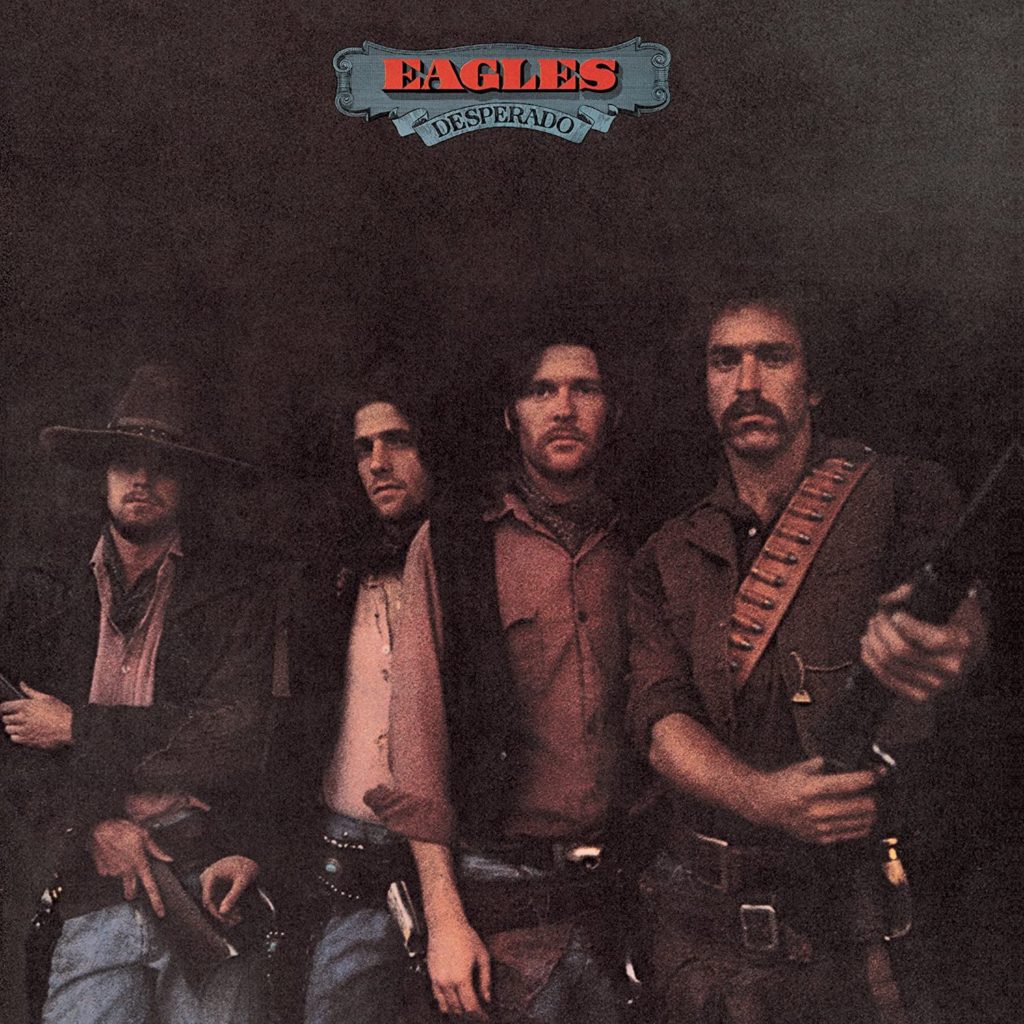
Desperado was certified double platinum in 2001. The album is also noted for contributing two songs which have become staples of the Eagles repertoire (“Desperado” & “Tequila Sunrise”). In his book, Desperados: The Roots of Country Rock, music writer John Einarson states that the album “would set the tone for all the later soft country-rock sounds, and impact what would become the foundation of ‘new country’, in both image and music.”
“Go down, Bill Doolin, don’t you wonder why
Sooner or later we all have to die?
Sooner or later, that’s a stone-cold fact
Four men ride out and only three ride back” – Doolin-Dalton/Desperado (Reprise)
For a period the Wild Bunch were the most infamous gang of outlaws in the Old West, but due to the persistence of the US deputy marshals known as the Three Guardsmen (Bill Tilghman, Chris Madsen, and Heck Thomas), by the end of 1894, they had either captured or killed most of the gang.
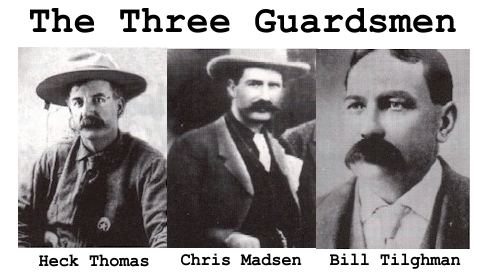
In early 1896, Bill Tilghman captured Bill Doolin while the outlaw was soaking in the sulfur springs of northwestern Arkansas. He was there to relieve the rheumatism in his foot that had been caused by an earlier gunshot wound. On July 5, while awaiting trial, Doolin escaped from jail.
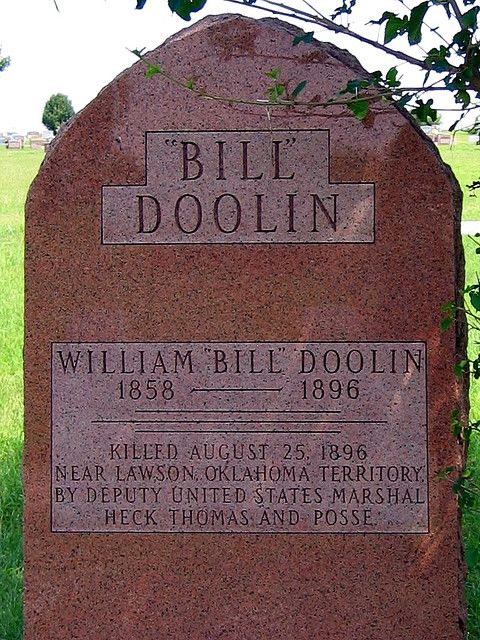
Doolin eluded the posse for the better part of two months, but believing that he would return to his wife in Lawton, Oklahoma, the lawmen waited for him there. On August 24 in Lawton, the lawmen caught up with their quarry. Though he was outnumbered, Doolin clearly had no desire to be taken alive. He drew his weapon but was killed instantly by a hail of shotgun and rifle fire; he was 38 years old. William “Bill” Doolin was buried in the Boot Hill section of Summit View Cemetery in Guthrie, Oklahoma.
“Woman don’t try to love me
Don’t try to understand
A life upon the road is the life of an outlaw man” – Outlaw Man (David Blue)
Note: For a more detailed account of the pursuit, apprehension, and demise of the Doolin-Dalton gang read Principles of Posse Management: Lessons From the Old West for Today’s Leaders, by Chris Enss.
Sources:
https://www.history.com/this-day-in-history/outlaw-bill-doolin-is-killed
https://en.wikipedia.org/wiki/Desperado_(Eagles_album
https://en.wikipedia.org/wiki/Eagles_(band)
https://en.wikipedia.org/wiki/Wild_Bunch
https://en.wikipedia.org/wiki/Dalton_Gang
https://www.songfacts.com/facts/eagles/desperado
https://en.wikipedia.org/wiki/Outlaw_Man
All photos sourced through internet searches, none belong to the author
]]>And his wounds have almost healed
And she’d give half of Texas
Just to change the way he feels
“’Cause she knows his love’s in Tulsa
And she knows he’s gonna go
But it ain’t no woman flesh and blood
It’s that damned old rodeo” – Rodeo (Larry Bastian) © Sony/ATV Music
ro·de·o / ‘rō dēō, rōˈdāō/ noun: rodeo; plural noun: rodeos
- an exhibition or contest in which cowboys show their skill at riding broncos, roping calves, wrestling steers, etc.
- a roundup of cattle on a ranch for branding, counting, etc.
The American English word “rodeo” comes directly from the Spanish rodeo, which roughly translates into English as “round up”. Thus, the first rodeos in America were more akin with entry #2 in the above definitions, before evolving into definition #1.
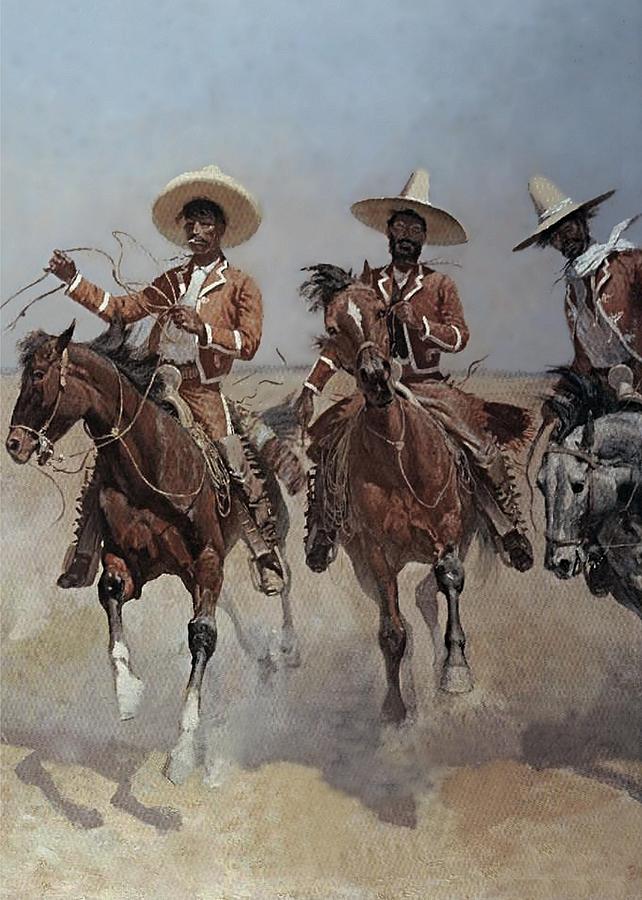
While rodeo as we know it today may exist to preserve the cowboy customs of the wild American west, it is in fact based upon the traditions of Mexican ranchers and ranch hands – the vaqueros. The charreada is a competitive event similar to rodeo and sprang from the ranching customs of vaqueros on the haciendas and ranchos of old Mexico, who themselves were carrying on the practices brought to the New World by sixteenth-century Spanish conquistadors.
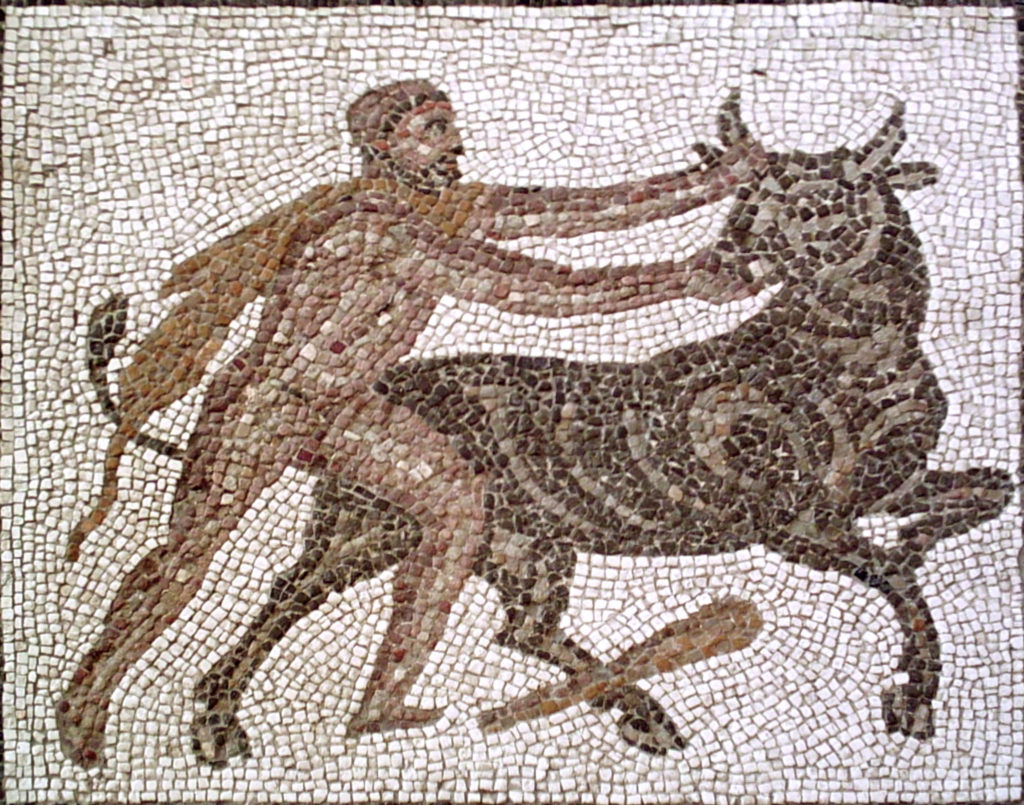
Bull wrestling was one of those practices brought by Spain to the New World and had been a tradition throughout the Mediterranean region for thousands of years. The Minoans of Crete practiced bull jumping, bull riding, and bull wrestling, and it is even believed that bull wrestling may have been one of the Olympic events as staged by the ancient Greeks.
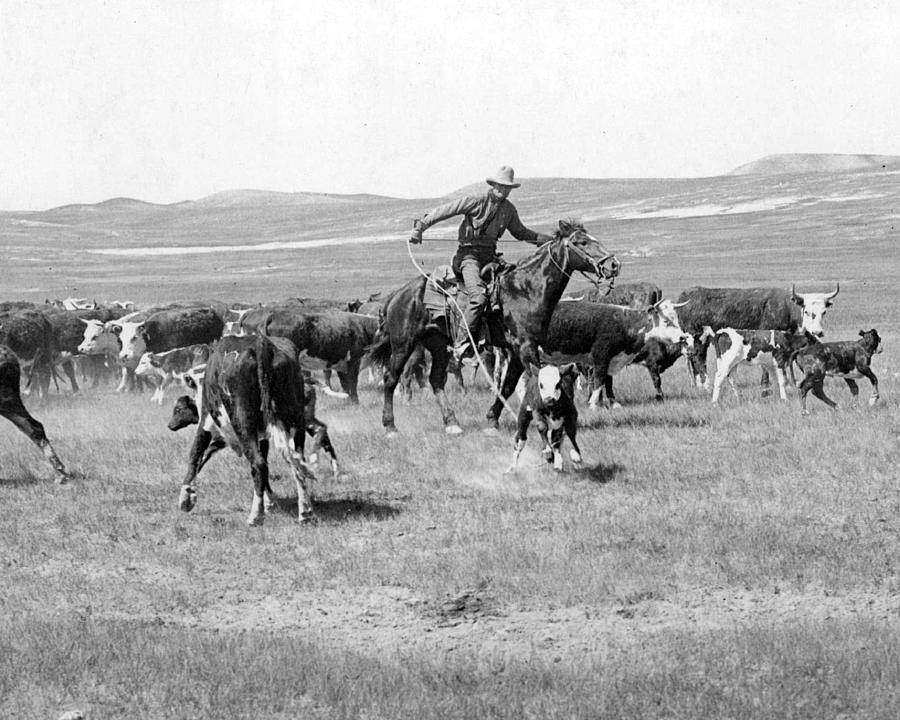
Rodeo as an American entity began evolving after the Texas Revolution and the Mexican-American War when Anglo cowboys learned the skills, attire, and vocabulary of the vaqueros. Rodeo was not originally a sporting event, but a fundamental aspect of cattle-ranching in areas of Spanish influence. The working rodeo was requisite enough to the business of ranching as to merit legal status in California:
“An Act to Regulate Rodeos (April 3, 1851)…Every owner of a stock farm shall be obliged to give, yearly, one general Rodeo, within the limits of his farm, from the first day of April until the thirty-first day of July, in the counties of San Luis Obispo, Santa Barbara, and San Diego; and in the remaining counties, from the first day of March until the thirty-first day of August…in order that parties interested may meet, for the purpose of separating their respective cattle.”
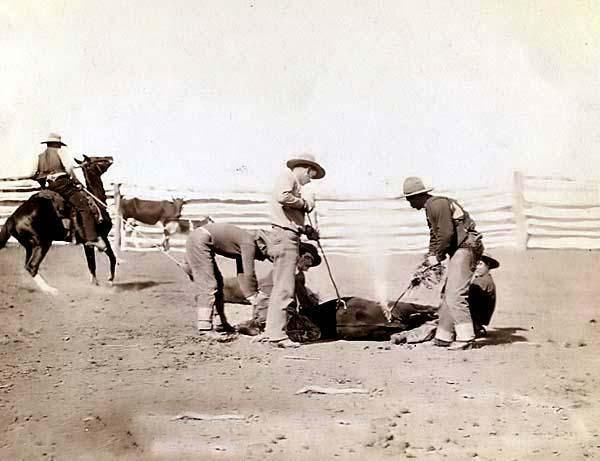
One of these California working rodeos, held in 1858 in Los Angeles County, was described by businessman and historian, Harris Newmark:
“The third week in February witnessed one of the most interesting gatherings of rancheros characteristic of Southern California life I have ever seen. It was a typical rodeo, lasting two or three days, for the separating and regrouping of cattle and horses . . . Under the direction of a Judge of the Plains [the cattle] were examined, parted and branded, or re-branded, with hot irons impressing a mark duly registered at the Court House and protected by the County Recorder’s certificate.
“Never have I seen finer horsemanship than was there displayed by those whose task it was to pursue the animal and throw the lasso around the head or leg; and as often as most of those present had probably seen the feat performed, great was their enthusiasm when each vaquero brought down his victim. Among the guests were most of the rancheros of wealth and note, together with their attendants . . .”
But this is not the rodeo of which Garth Brooks sings!
“She does her best to hold him
When his love comes to call
But his need for it controls him
And her back’s against the wall
“And it’s ‘So long girl, I’ll see you.’
When it’s time for him to go
You know the woman wants her cowboy
Like he wants his rodeo” – Rodeo (Larry Bastian)
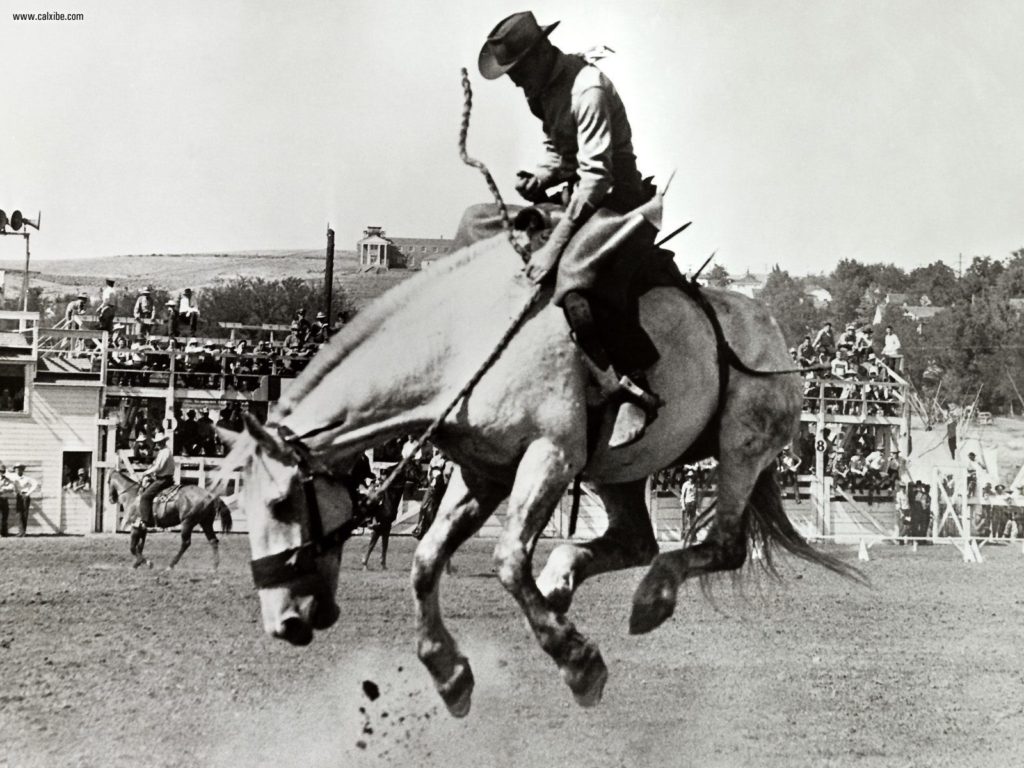
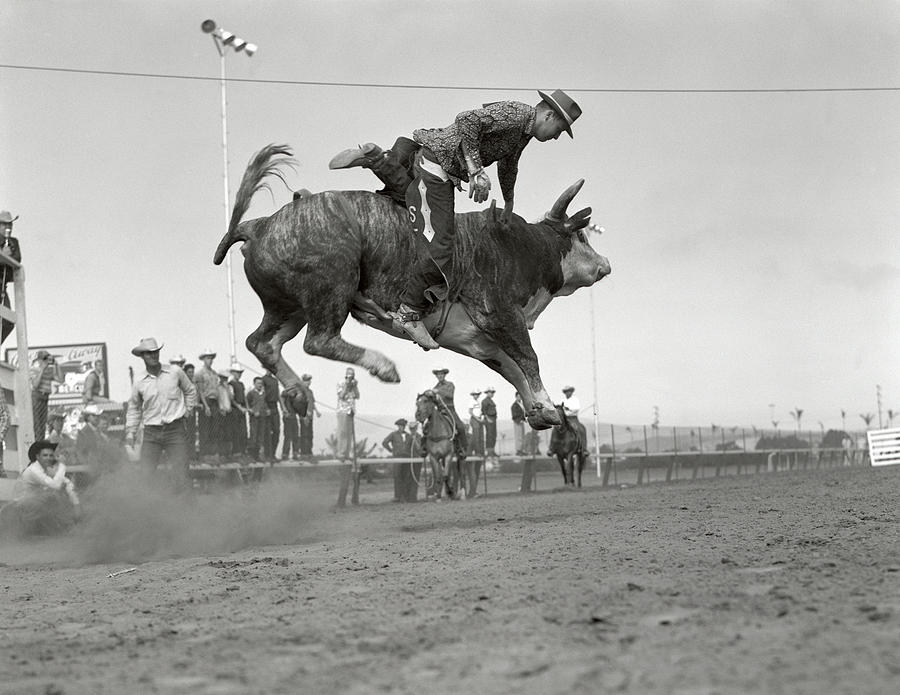
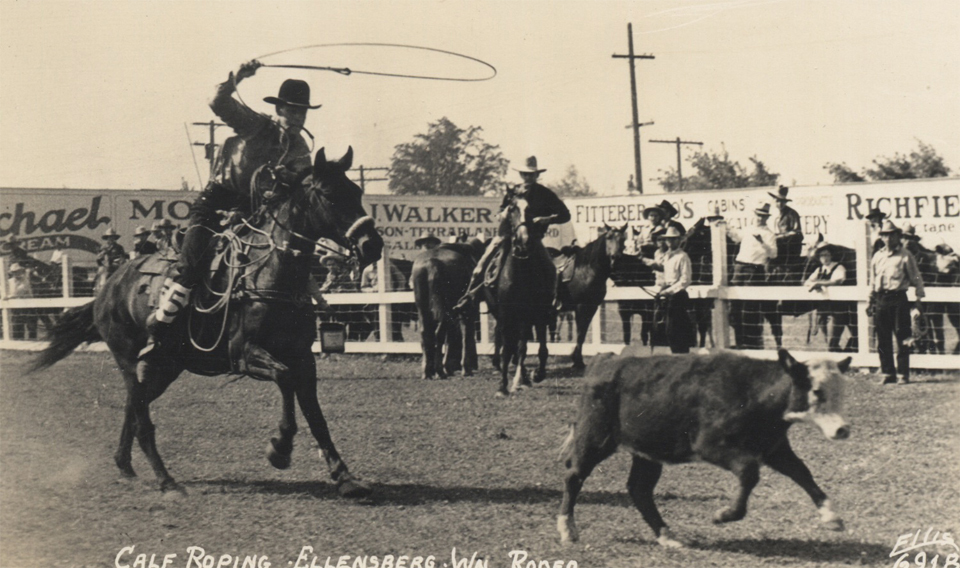
While it is not surprising that cowboys would be compelled to show off their particular skills or to compete for bragging rights as to who skills were greater, there are some differing opinions as to where and when competitive rodeo emerged as an organized event. Some sources claim that modern competitive rodeo began in 1869 when two groups of cowboys from neighboring ranches met in Deer Trail, Colorado, to settle a dispute over who was the best at performing everyday cowboy tasks, including breaking wild horses to ride for ranch work – a common cowboy task that evolved into rodeo’s saddle bronc riding event. Other locales laying claim to holding the first rodeos include Cheyenne, Wyoming, in 1872, and Winfield, Kansas, in 1882.
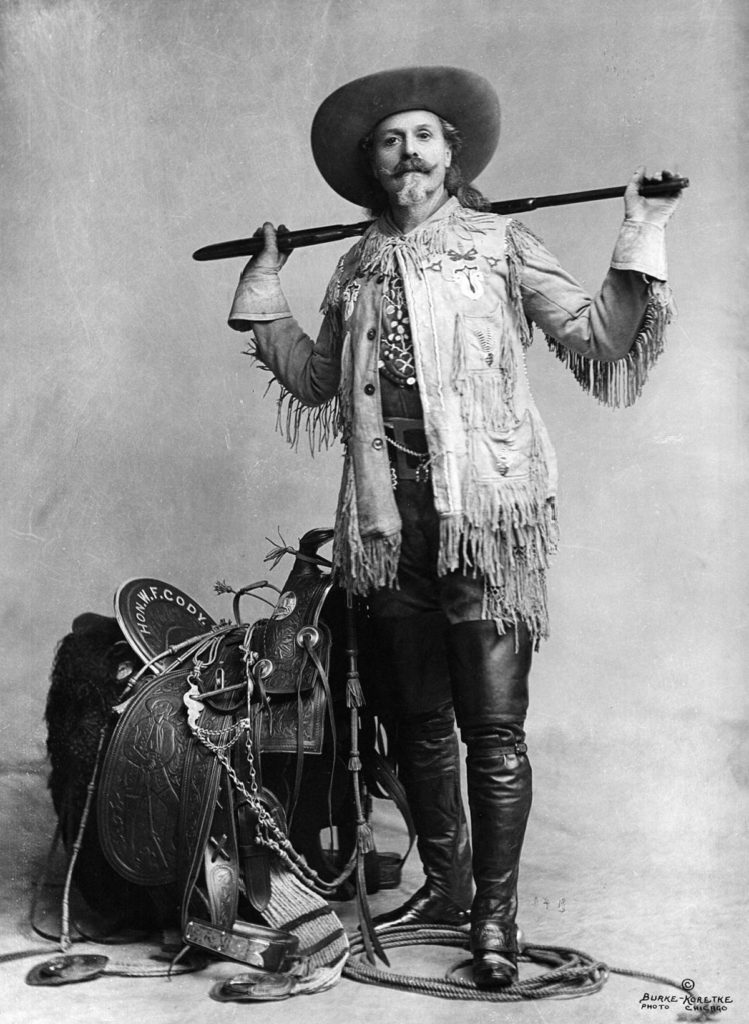
As part of an 1883 Fourth of July celebration in North Platte, Nebraska, William “Buffalo Bill” Cody organized an outdoor spectacle which he called the “Wild West, Rocky Mountain, and Prairie Exhibition.” Due to the endeavor’s commercial success, Cody was soon on the road with a traveling version of the show now known as “Buffalo Bill’s Wild West.” Though the show did include trick riding and roping displays by men and eventually women, this was primarily staged entertainment, and local entrepreneurs were left to organize and execute competitive rodeo events.
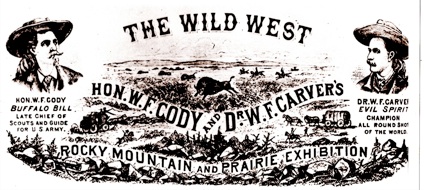
For decades Wild West shows and competitive rodeos existed together, with both entities employing many of the same performers. But gradually, in the waning days of America’s Wild West, as the nineteenth-century drew to a close, rodeo began to assume its own identity; something more closely related to the rodeo we recognize today.
“It’ll drive a cowboy crazy
It’ll drive the man insane
And he’ll sell off everything he owns
Just to pay to play the game
“And a broken home and some broken bones
Is all he’ll have to show
For all the years that he spent chasin’
This dream they call rodeo” – Rodeo (Larry Bastian)
Up to the 1920s, there remained no official designation for organized cowboy sports, with the term rodeo being used only occasionally. From the 1880s through the early twentieth-century descriptors such as frontier days, stampedes and cowboy contests were most commonly used. And as there was no national or international governing body overseeing the competitions, even the individual events were not standardized.
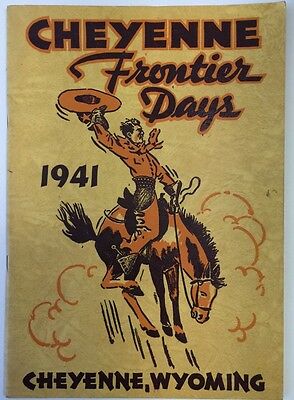
Cheyenne Frontier Days, first held in 1897 and continuing through today, was, and still is widely regarded as the premier celebration of cowboy sports. Until 1922, cowboys and cowgirls who won at Cheyenne were considered the world’s champions.
In 1929 the Rodeo Association of America, an affiliation of managers and event producers, was formed to regulate competitions, and standardize rules and events. However, it was not until 1936, following a strike at the Boston Garden Rodeo, that the cowboy competitors themselves would finally organize into a coalition that they originally called the Cowboys’ Turtle Association (CTA). They chose the name “turtles” because they had been so slow to act on establishing a confederation for themselves, but had finally stuck their necks out for their cause.
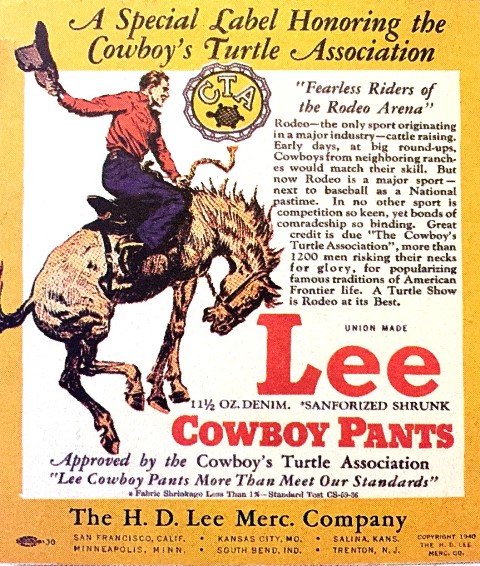
In 1945, the “Turtles” became the Rodeo Cowboys Association (RCA), and in 1975 that group evolved into the Professional Rodeo Cowboys Association, which today is the oldest and largest rodeo-sanctioning body in the world, whose rules have been accepted by most rodeos. The PRCA is headquartered in Colorado Springs, Colorado, where you can also find the ProRodeo Hall of Fame and Museum of the American Cowboy.
The PRCA has a membership of more than seven thousand, of which approximately 5,100 are contestants. The organization sanctions over 600 competitive events each year. In 2013, $39.6 million was paid out in prize money at PRCA rodeos, and ProRodeo is telecast to more than 50 million households.
“Well, it’s bulls and blood
It’s dust and mud
It’s the roar of a Sunday crowd
It’s the white in them knuckles
The gold in the buckle
He’ll win the next go ’round
“It’s boots and chaps
It’s cowboy hats
It’s spurs and latigo
It’s the ropes and the reins, and the joy and the pain
And they call the thing rodeo” – Rodeo (Larry Bastian)
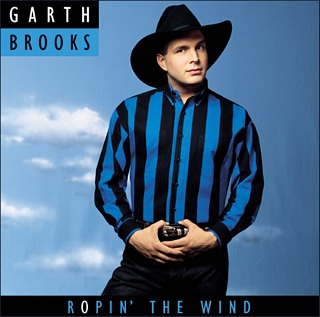
Ropin’ the Wind was the third studio album from country singer Garth Brooks. Released on the Capitol Records Nashville label in September 1991, it was Brooks’ first album to debut at #1 on both the Billboard 200 chart and Top Country Albums chart. It was the first album by a country singer to top both of these charts since Kenny Rogers accomplished the same feat just over a decade earlier. Between September ’91 and April ’92, Ropin’ the Wind would occupy the top spot on the charts four different times, spending a combined 18 weeks at #1. In 1998 the album was certified 14x Platinum by the RIAA.
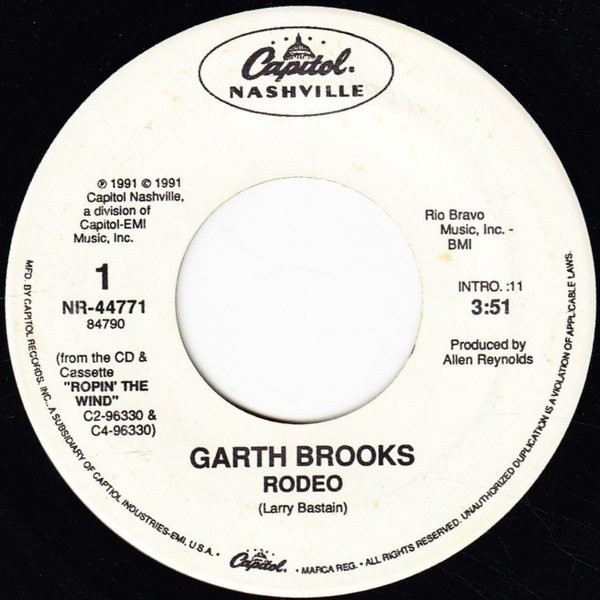
“Rodeo”, a song written by Larry Bastian, was released in August 1991 as the first single from Ropin’ the Wind. The song peaked at number three on the U.S. country chart and reached number-one on the Canadian country chart. In the liner notes for his collection The Hits, Brooks makes the following comments about the song:
“The song ‘Rodeo’ was originally titled ‘Miss Rodeo.’ It was a female song, where the artist sang about how she could not compete with the sport of rodeo. I tried to get every female I know in the industry to cut this song. When the last told me she just didn’t hear it, I began to wonder if that meant I was supposed to do something with it. This song was recorded in 1981 as a demo, and for ten years, it sat silent. We got a hold of it, and the band’s version of it just stunned me. This song has always been a favorite live, and I hope as long as I get to play live, this will always be on the list.”
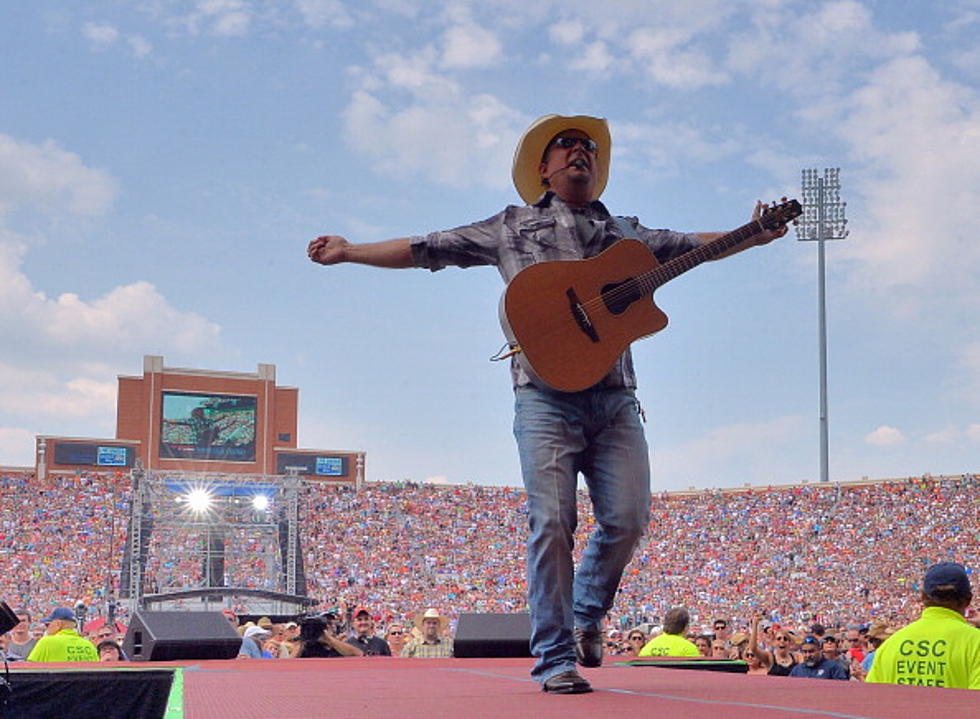
In a televised special from 1995, Brooks mentioned that he tried in vain to convince Trisha Yearwood to record “Rodeo”, but she told him that being from Georgia she just didn’t understand the song, and she eventually convinced him to record it himself. Nearly thirty years later who could imagine anyone else singing the song that has become identified as one of Brooks’ classic tracks.
“It’s the broncs and the blood
It’s the steers and the mud
And they call the thing rodeooooo . . .
Bwow wow!” – Rodeo (Larry Bastian)
Author’s note: This post is in no way a comprehensive study of the “dream they call rodeo”, but I tried to hit the salient points of its evolution from a literal “round-up” of cattle & livestock to the commercially sponsored & internationally broadcast professional sport it is today. With a list of prospective “rodeo” songs from artists such as George Strait, Chris LeDoux, Suzy Bogguss, Vince Gill & Garth Brooks, expect a few more posts on this beloved American pastime. Stay tuned, cowboys & cowgirls!
Sources:
https://en.wikipedia.org/wiki/Rodeo
https://en.wikipedia.org/wiki/Charreada
https://en.wikipedia.org/wiki/History_of_rodeo
https://www.prorodeo.com/prorodeo/rodeo/history-of-the-prca
https://www.britannica.com/sports/rodeo-sport
https://en.wikipedia.org/wiki/Rodeo_(Garth_Brooks_song)
All photos sourced through internet searches, none belong to the author
]]>I spied a cowpuncher riding along
His hat was throwed back and his spurs were a-jingling
And as he approached he was singing this song
“Whoopee ti yi yo, git along little dogies
It’s your misfortune and none of my own
Whoopie ti yi yo, git along little dogies
You know that Wyoming will be your new home” – Git Along, Little Dogies (traditional)
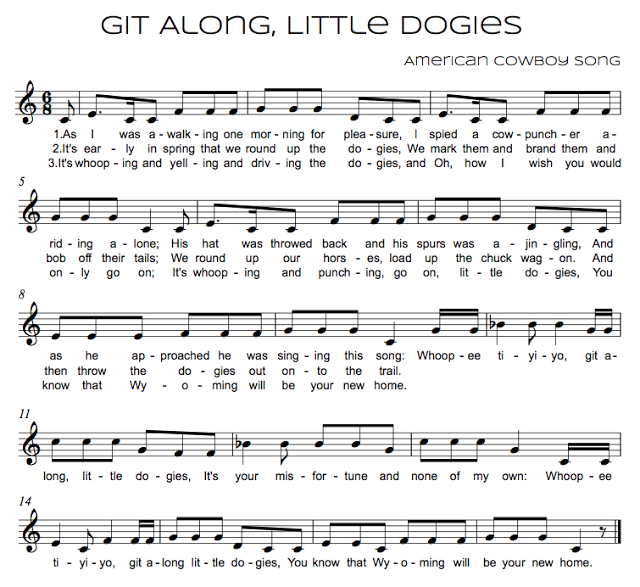
“Git Along, Little Dogies” is a traditional cowboy ballad believed to be adapted from an old Irish folk song. Also known by the title, “Whoopie Ti Yi Yo”, the song is first mentioned in the 1893 journal of historian and author Owen Wister, who wrote The Virginian, and is considered to be the “father” of Western fiction. The melody and lyrics of the song were first published in 1910 in John Lomax’s Cowboy Songs and Other Frontier Ballads.
Although the song is typically performed with four or five verses, each followed by the repeated chorus, my research turned up a number of different versions, some with verses that varied slightly from those performed by other artists. The “dogies” referenced in the lyrics were the motherless or neglected calves, herded along by cowboys. The song was doubtless a favorite accompaniment of cowpunchers on the long cattle drives of the late nineteenth-century, especially along the famed Goodnight-Loving trail.
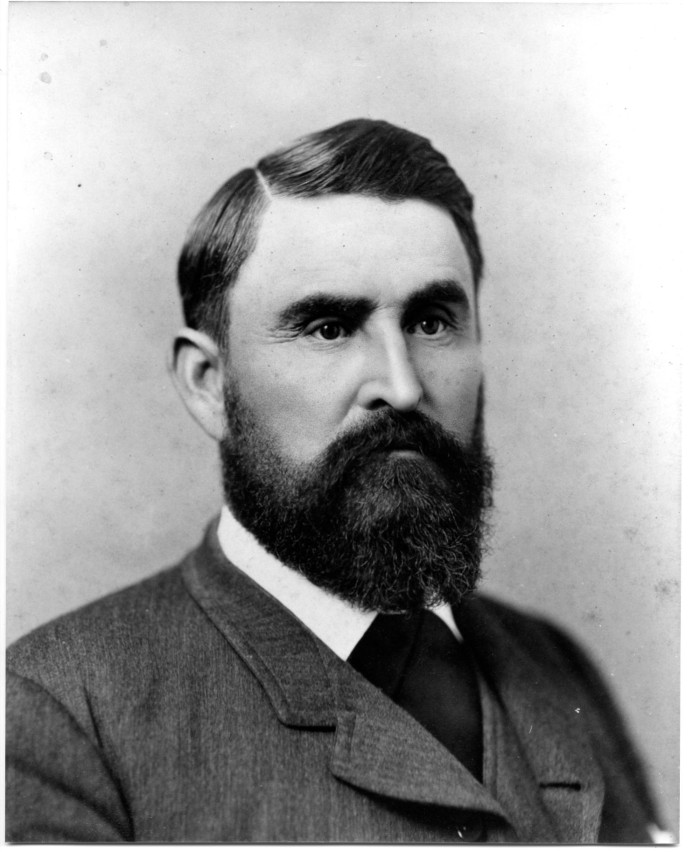
Charles (Charlie) Goodnight was born March 5, 1836, in Macoupin County, Illinois, northeast of St. Louis. While Goodnight was still very young his father died, and in 1846 he moved to Waco, Texas with his mother and step-father.
By the time Charlie Goodnight was 20, he was working as a cowboy, as well as serving with the local militia, where he protected settlers from Comanche raiders. In 1857 he joined the Texas Rangers. As a Ranger, Goodnight was known for raising a posse that located the Indian camp where Cynthia Ann Parker was living as the wife of Comanche chief Peta Nocona. Parker had been kidnapped by the Indians as a young girl and had been assimilated into the tribe. She was also the mother of Quanah Parker, who after surrendering his Quahadi band to Fort Sill, Oklahoma, has been called the “Last Chief of the Comanche.”
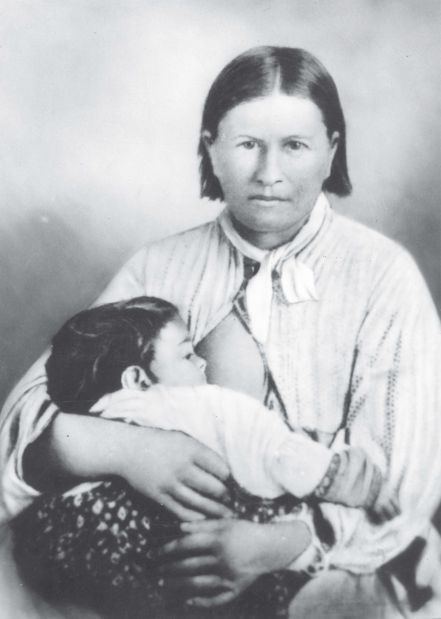
Cynthia Ann Parker 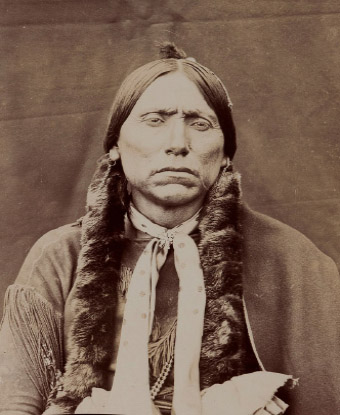
Quanah Parker
In 1861, at the outbreak of the Civil War, Goodnight joined the Confederate States Army, where most of his time was spent as a scout for a Texas frontier regiment, patrolling against Indian raids. Describing what constituted a good scout Goodnight stated, “First, he must be born a natural woodsman and have the faculty of never needing a compass except in snowstorms or darkness.”[4]
Following the war, Charlie Goodnight returned to working as a cowboy.
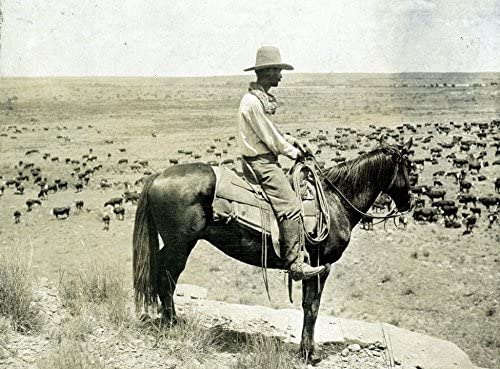
“Early in the springtime, we round up the dogies
Mark ’em and brand ’em and bob off their tails
Round up the horses, load up the chuck wagon
Then throw the little dogies out on the long trail” – Git Along Little Dogies (traditional)
At war’s end, Charlie Goodnight participated in a near-statewide roundup of feral Texas Longhorn cattle that had roamed free during the previous four years of war. After this “making the gather”, Goodnight partnered with Oliver Loving to drive their combined herds to market.
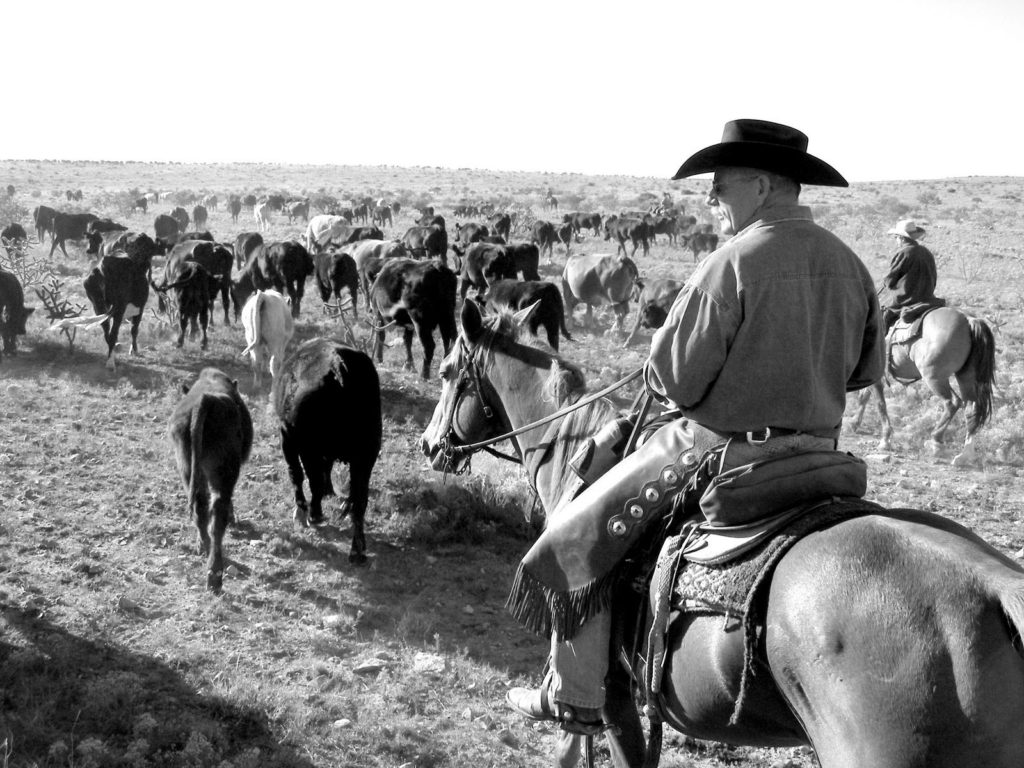
“We ride on the prairies across the wide rivers
And on through the flats where there’s never a town
Our horses are weary, we’re tired and we’re hungry;
Lay still, little dogies, stop roamin’ around” – Git Along Little Dogies (traditional)
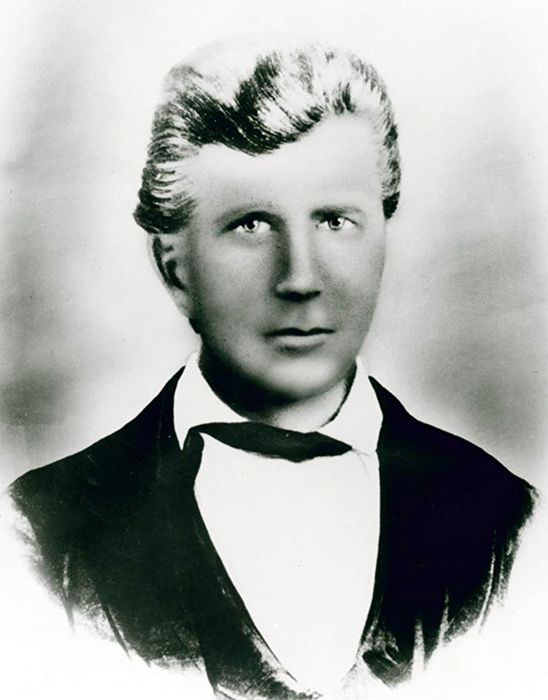
Oliver Loving was born on December 4, 1812, in Hopkins County, Kentucky. As a young man he farmed in Kentucky, then in 1843 moved with his brother, brother-in-law, and their families to Texas. By 1857 Loving had accumulated one thousand acres of Texas land, as well as a large herd of cattle. He entrusted his nineteen-year-old son, Joseph, to drive the cattle up the Shawnee Trail and into Illinois, where he made a profit of $36 a head. The success of the venture encouraged Loving to repeat the drive the following year.
“Night comes on and we hold ’em on
the bedground
The same little dogies that rolled on
so slow
We roll up the herd and cut out the
stray ones
Then roll the little dogies like never
before” – Git Along Little Dogies (traditional)
In the summer of 1860, along with a partner, Oliver Loving started a herd of 1,500 head toward Denver, Colorado to feed miners in the area. In the spring of 1861, after wintering his herd near Pueblo, Colorado, he sold the cattle for gold and set off to return to Texas but was barred by Union authorities from traveling south due to the outbreak of the Civil War. After intercession from Kit Carson, Loving was allowed to return home.
During the war Oliver Loving was commissioned to provide beef to the Confederate States Army, but as the war ended it is reported the Confederate government still owed him between $100,000 and $250,000. In addition, the postwar markets were left inadequate for the available supply of beef.
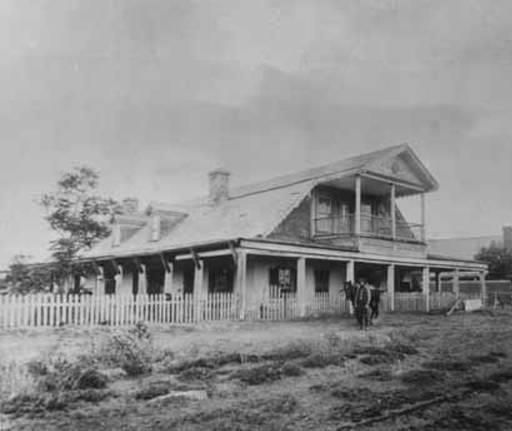
In 1866 Loving heard that there was a need for beef at Fort Sumner, New Mexico, where over 8,000 Navajos had recently been interned at the nearby Bosque Redondo reservation. Farming conditions there were poor, creating an urgent demand for food sources. Along with military personnel, and a growing population of settlers, there was a market for fresh food products in the region.
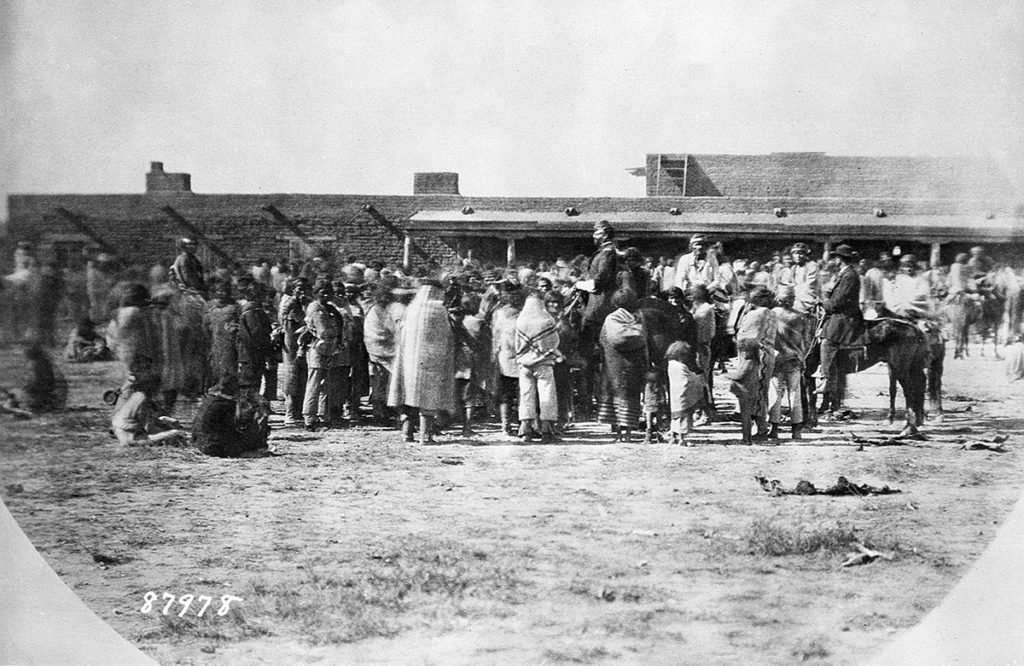
Oliver Loving partnered with Charlie Goodnight, and together with the assistance of eighteen cowhands, they drove their combined herd of 2,000 cattle from west Texas to Fort Sumner. There they received eight cents a pound for the steers in the herd, but the Army was not interested in the remaining stocker cattle. Goodnight returned to Texas with $12,000 in gold to purchase more cattle, while Loving continued north with 800 cows & calves, selling the remainder of the herd at the railhead in Denver, Colorado.
After gathering a new herd in Texas, Charlie Goodnight drove the cattle to New Mexico, where he and Loving spent the winter of ’66-’67 ranching and supplying beef to Fort Sumner and the city of Santa Fe.
“When spring comes along we round up
the dogies
We stick on their brands and we bob off
their tails
Pick out the strays, then the herd is
inspected
And the very next day we go out on the
trail” – Git Along Little Dogies (traditional)
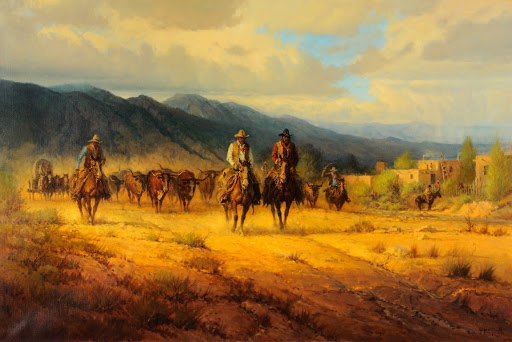
In the spring of 1867, Goodnight and Loving both returned to Texas for more cattle to take north. The drive was hampered by steady rains and constant threats from Indians. During a heavy storm, the herd was attacked by Comanches, leaving it divided and scattered. Oliver Loving and his trusted scout, “One Arm Bill” Wilson, left the herd to go ahead to Fort Sumner and inform them of the delay, only to be pinned down by a band of Comanches along the Pecos River. In the attack Loving suffered gunshot wounds to his arm and side. Sending Bill Wilson back to the herd, Loving was able to evade the Indians and with the help of Mexican traders, reached Fort Sumner.
Oliver Loving died from gangrene poisoning on September 25, 1867. Although the gunshots wounds he received in the Indian attack were not fatal, the medicine of the day was not sufficient to prevent the ensuing infection. While amputation of Loving’s arm may have prevented his death, it is reported that the fort’s doctor “had never amputated any limbs and did not want to undertake such work.”
The story is told that Charlie Goodnight sat by his partner’s bedside during the two weeks that it took for Loving to succumb to his infection. Loving’s dying wish was to be buried back home in Texas. Goodnight assured his friend and business associate that he would indeed honor that wish. Following his death, Oliver Loving was temporarily interred at Fort Sumner, as Charlie Goodnight continued driving their herd into Colorado. True to his word, Goodnight later had Loving’s body exhumed and returned to Weatherford, Texas, where he was laid to rest in Greenwood Cemetery on March 4, 1868.
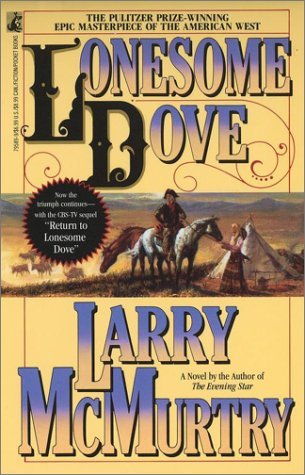
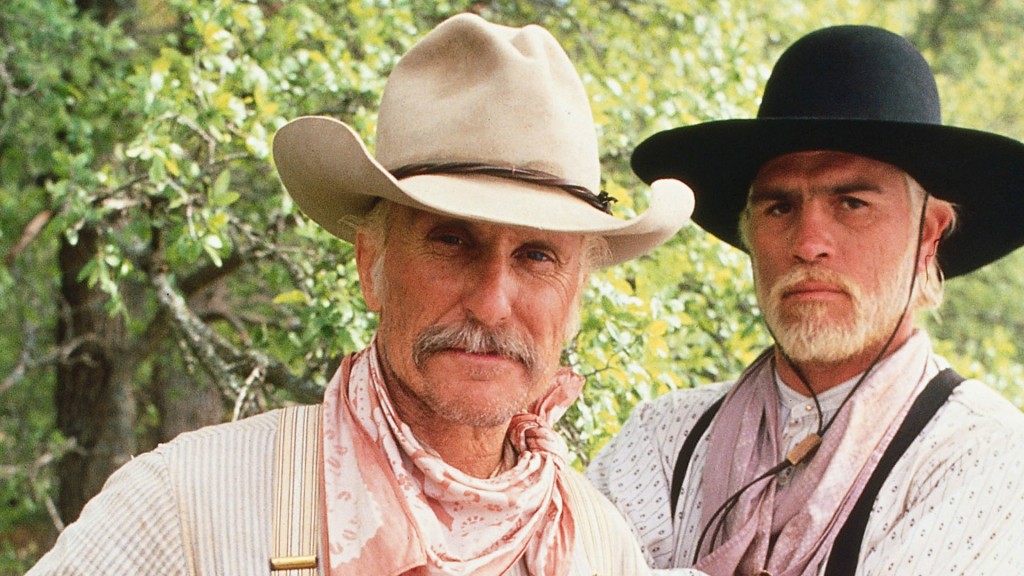
To fans of Larry McMurty’s Pulitzer Prize-winning novel, Lonesome Dove, the relationship between Oliver Loving and Charles Goodnight may have a familiar ring. The two were indeed the inspiration for McMurtry’s Gus McCrae & Woodrow Call, with Woodrow transporting Gus’s body back to Texas after his death following an Indian attack. Charlie Goodnight even makes cameo appearances in all four novels of McMurtry’s Lonesome Dove series.
“Night is a-comin’ and the dogies
are strayin’
They’re farther from home than they’ve
been before
Come on, little dogies, it’s time to be
rollin’
When we get to Wyoming, we’ll roll no
more” – Git Along Little Dogies (traditional)
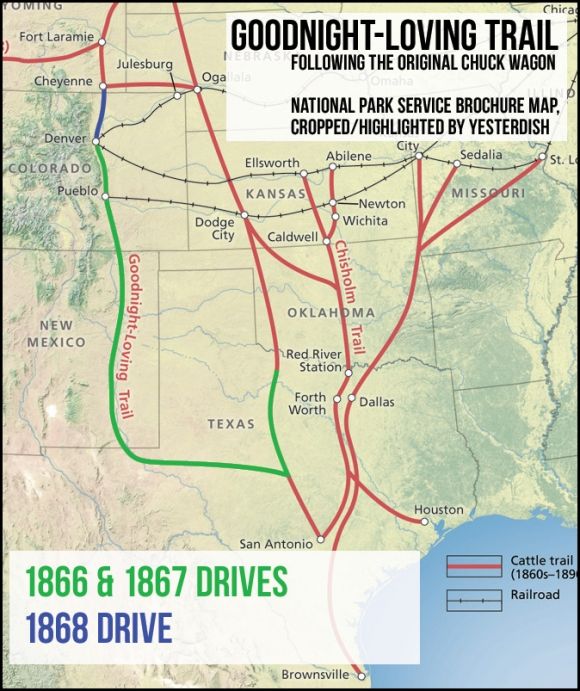
In February of 1868, Charlie Goodnight began driving herds along what became known as the Goodnight-Loving Trail up into Wyoming, where the cattle were butchered and sold locally, or shipped eastward to Chicago via the railroads. In the following decade, cattle ranches stocked with Texas Longhorns that had been driven up the trail became established throughout the state, with Cheyenne becoming a local hub for the cattle business with its connection to the Union Pacific Railroad.
“Your mother was raised way down in Texas
Where the jimson weed and the chollas grow
But we’ll fill you up on those prickly-pear briars
Until you are ready for Idaho” – Git Along Little Dogies (traditional)

In 1876, Charlie Goodnight settled into the life of a Texas rancher, effectively ending his days of driving cattle across the open range. Partnering with Irish businessman John Adair, together they formed the JA Ranch, the first cattle ranch located in the Texas Panhandle, and the oldest privately owned ranch in that region to this day. Goodnight also founded the Panhandle Stockman’s Association, which worked to improve cattle-breeding methods and to reduce the threat of rustlers and outlaws, and he is credited as the inventor of the chuck wagon.
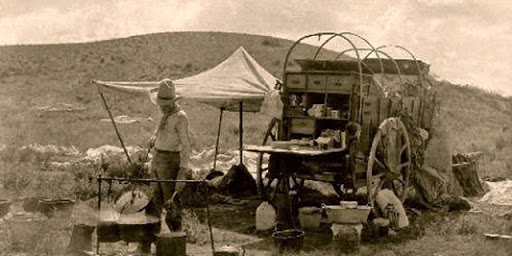
Herds of cattle would continue to be driven northward along the Goodnight-Loving Trail into the 1890s, further cementing the two early pioneers’ legacy in the fledgling industry. Oliver Loving was inducted into the National Cowboy Hall of Fame in Oklahoma City, Oklahoma; Loving County, Texas, and the town of Loving, New Mexico were both named in his honor.
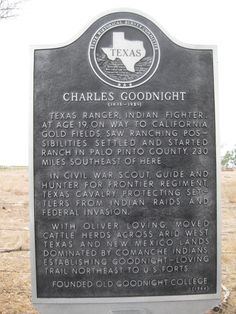
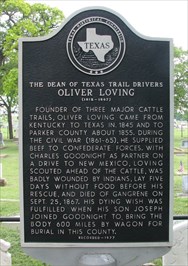
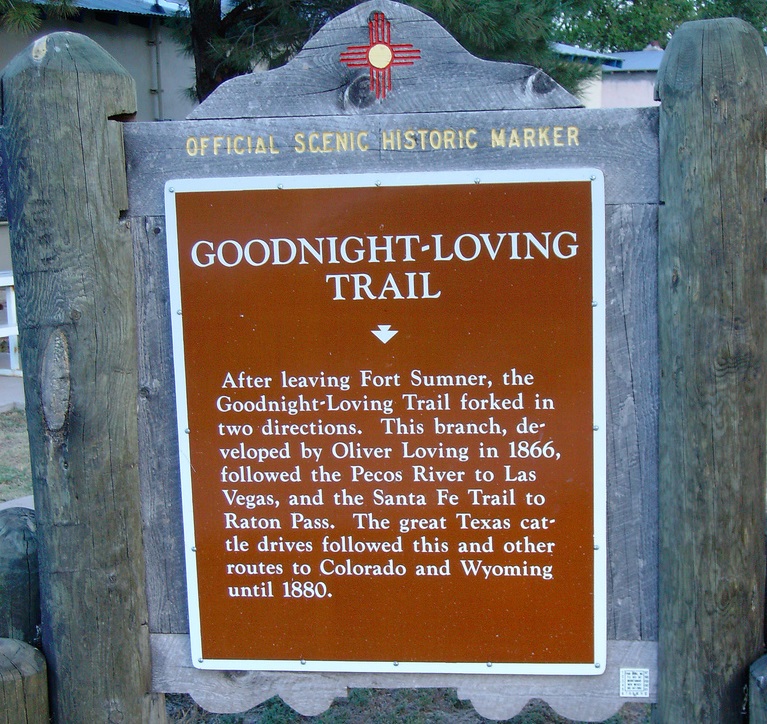
Charles Goodnight has been inducted into the Hall of Great Westerners of the National Cowboy & Western Heritage Museum (as has Loving), and is also called the “father of the Texas Panhandle.” He is remembered in a number of works of fiction & non-fiction, as well as the various historical monuments dedicated to his and Oliver Loving’s work.
“Some boys go up the long trail for
pleasure
But that’s where they get it most
awfully wrong
For you’ll never know the trouble they
give us
As we go drivin’ them dogies along
“Whoopee ti yi yo, git along little
dogies
It’s your misfortune and none of my own
Whoopie ti yi yo, git along little
dogies
You know that Wyoming will be your new
home” – Git Along, Little Dogies (traditional)
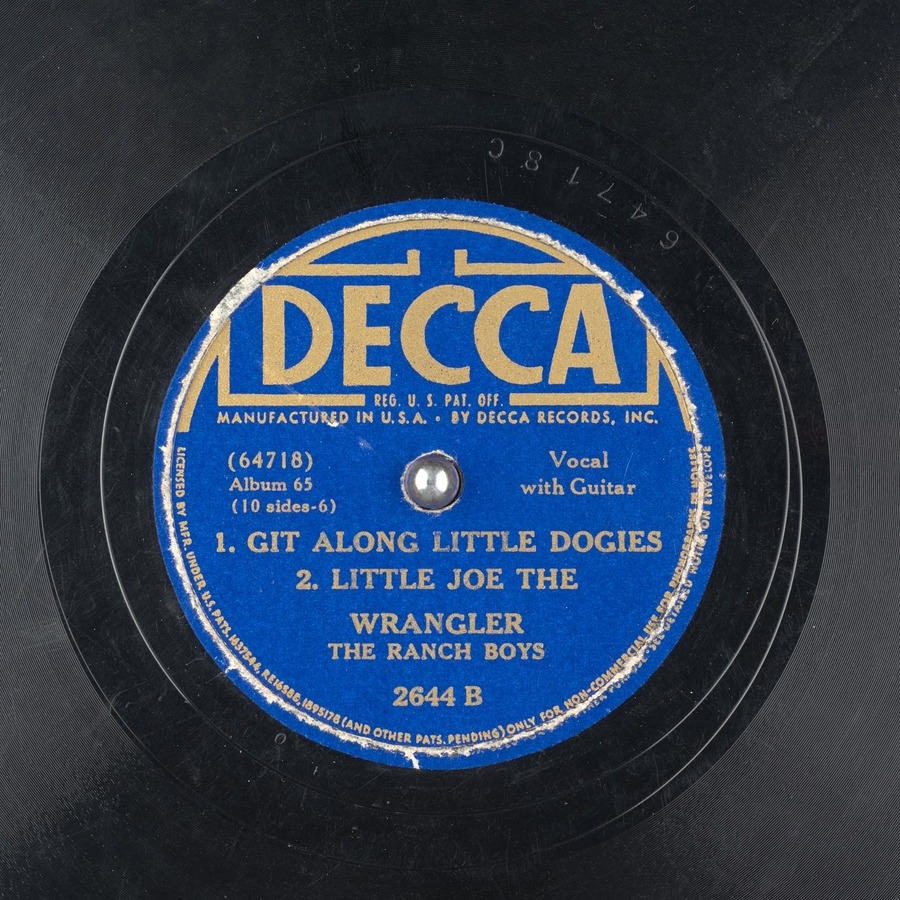
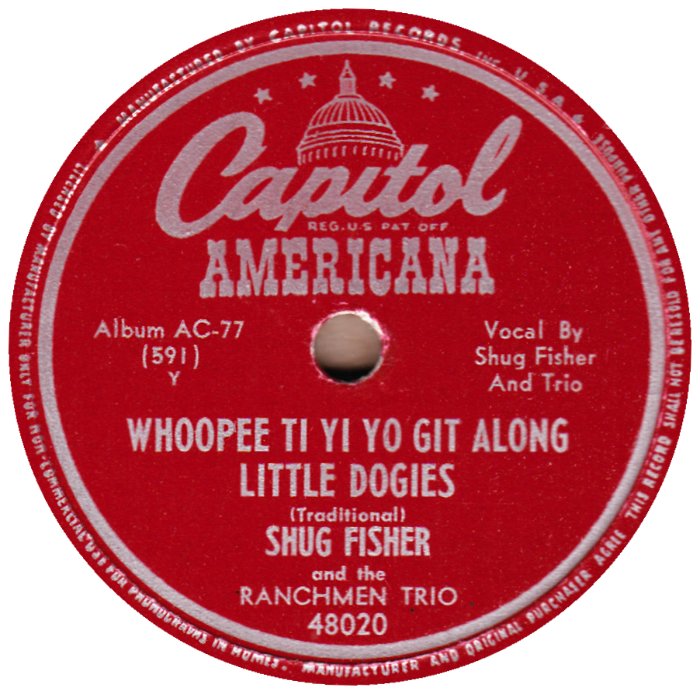
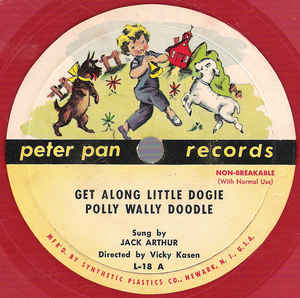
“Git Along, Little Dogies” has been recorded by numerous artists, including Bing Crosby, Roy Rogers, Tex Ritter, the Sons of the Pioneers, Pete Seeger, The Kingston Trio, Charlie Daniels, David Bromberg, Alvin and the Chipmunks, Suzy Bogguss and Nickel Creek. The song has been named one of the Top 100 Western songs of all time by members of the Western Writers of America.
Sources:
https://en.wikipedia.org/wiki/Git_Along,_Little_Dogies
https://en.wikipedia.org/wiki/Charles_Goodnight
https://en.wikipedia.org/wiki/Oliver_Loving
https://www.pbs.org/weta/thewest/people/d_h/goodnight.htm
https://en.wikipedia.org/wiki/Goodnight%E2%80%93Loving_Trail
https://www.history.com/this-day-in-history/cattle-pioneer-oliver-loving-dies-of-gangrene
All photos sourced through internet searches, none belong to the author
]]>Hardly spoke to folks around him, didn’t have too much to say
No one dared to ask his business, no one dared to make a slip
For the stranger there among them had a big iron on his hip
(Big iron on his hip)” – Big Iron (Martin Robinson) © Warner Chappell Music
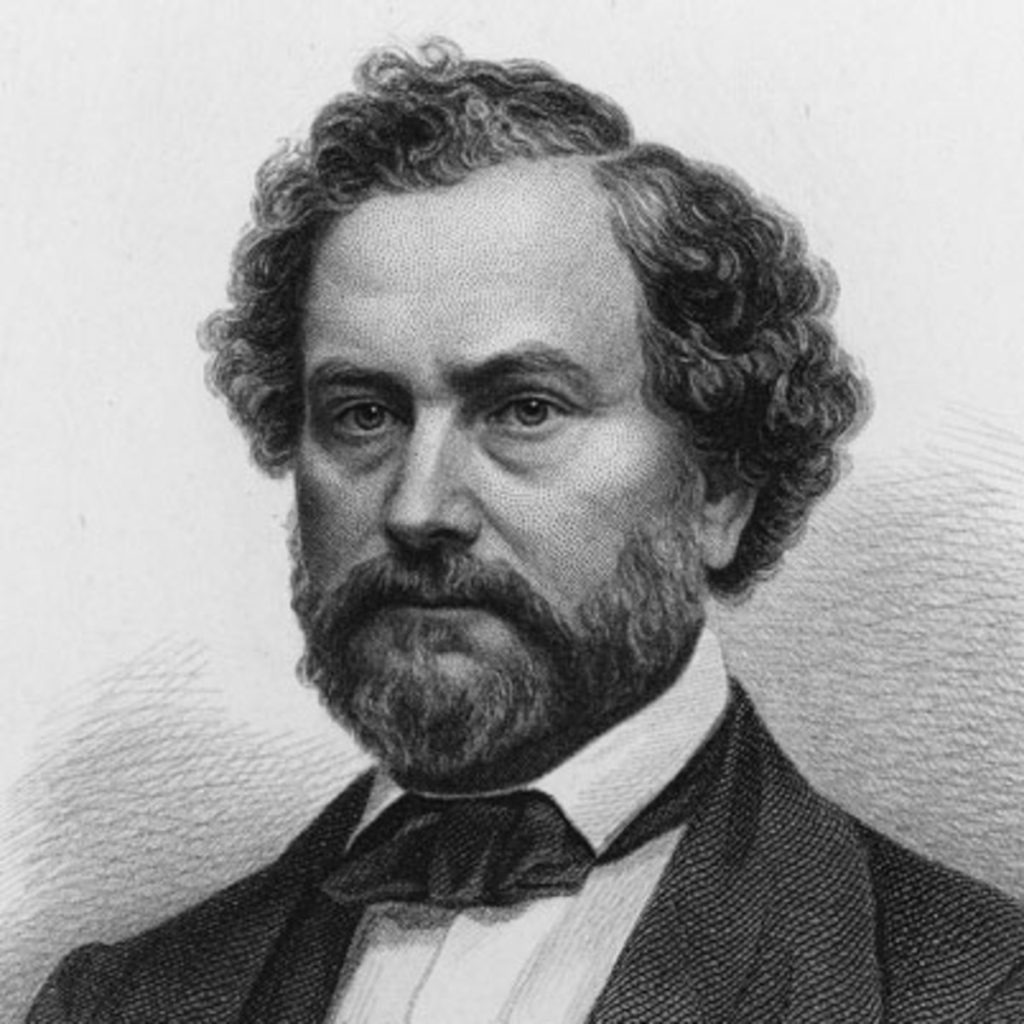
“God made man, Samuel Colt made them equal.”
Samuel Colt was born in Hartford, Connecticut, in 1814. One of his earliest possessions was a flintlock pistol that had belonged to his maternal grandfather, Major John Caldwell, who had been an officer in the Continental Army.
Showing a keen interest in knowing how things worked, young Samuel would often disassemble objects, including his father’s firearms, to satisfy his curiosity.
At 11 years of age, Colt was indentured to a farmer in Glastonbury, CT. There he did chores and attended school. Rather than studying the Bible, he chose to read a scientific encyclopedia called the Compendium of Knowledge. He was fascinated by the stories it contained of inventors whose accomplishments had once been supposed impossible. He was determined to be one of those known for achieving the unachievable.
At one point, Colt heard soldiers commenting that a gun that could shoot four or five times before reloading was something that was surely unattainable. He determined that he would be the mastermind behind that “impossible gun”.
“It was early in the morning when he rode into the town
He came riding from the south side, slowly lookin’ all around
‘He’s an outlaw loose and running’, came the whisper from each lip
And he’s here to do some business with the big iron on his hip
(Big iron on his hip) – Big Iron (Robinson)
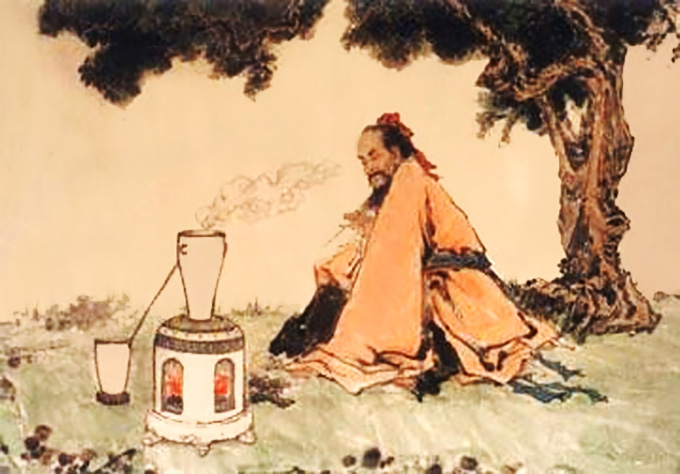
Gunpowder, also known as black powder, was invented in 9th-century China. According to a Taoist text from that era, it was likely an accident by Chinese alchemists that led to the discovery. Formulated from sulfur, charcoal, and potassium nitrate (saltpeter), the compound was a likely byproduct of experiments seeking to create the elixir of life. This origin is manifest in gunpowder’s Chinese name huoyao, which means “fire medicine”.

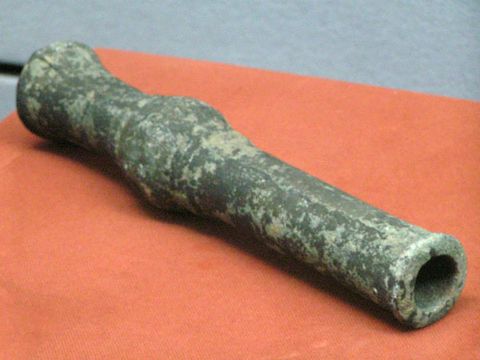
By 904, China had implemented gunpowder for military purposes, but it was not until 1288 that the first handheld firearm was developed. Known as the Heilongjiang hand cannon, the bronze barreled weapon had a length of 13.4” (without a handle), and a weight of 7.8 pounds; the interior diameter at the end of the barrel was 1”. The powder chamber had a small touch hole, for inserting the fuse used to ignite the gunpowder.
“In this town, there lived an outlaw by the name of Texas Red
Many men had tried to take him and that many men were dead
He was vicious and a killer, though a youth of twenty-four
And the notches on his pistol numbered one an nineteen more
(One and nineteen more)” – Big Iron (Robinson)
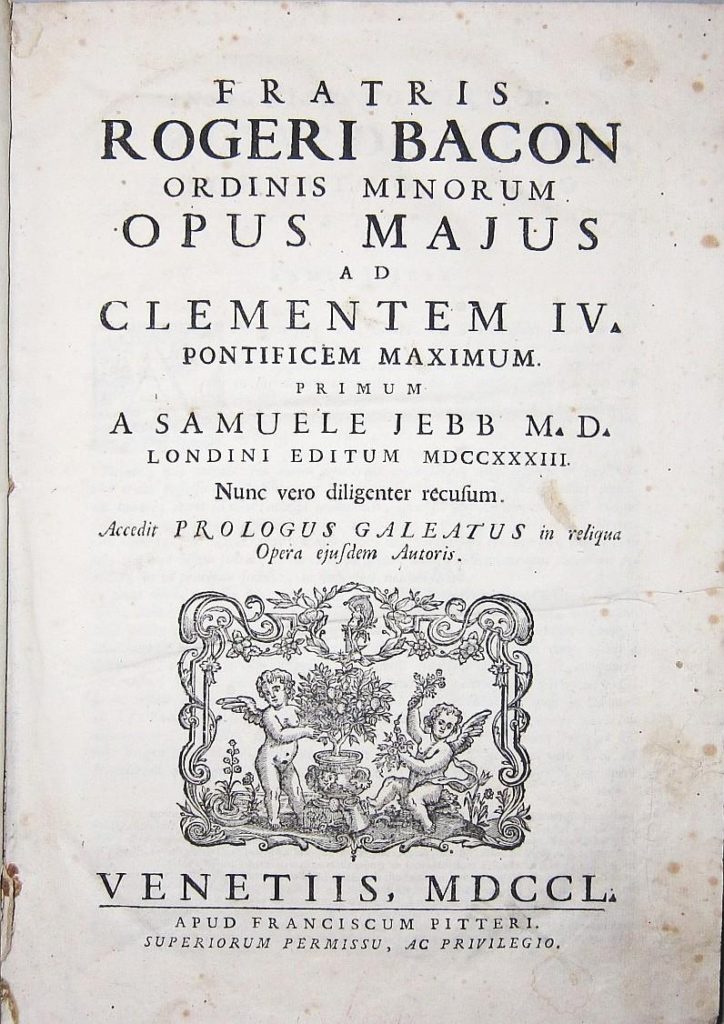
One of the earliest European references to gunpowder is found in the writings of English philosopher Roger Bacon. From Opus Maius, dated 1267:
“From the violence of that salt called saltpeter [together with sulfur and willow charcoal, combined into a powder] so horrible a sound is made by the bursting of a thing so small, no more than a bit of parchment [containing it], that we find [the ear assaulted by a noise] exceeding the roar of strong thunder, and a flash brighter than the most brilliant lightning.”
Although Bacon’s passage apparently refers to a firecracker, weapons utilizing the explosive force of black powder would soon follow. However, it was not until the mid-15th century that the first handheld firearms would appear in Europe.
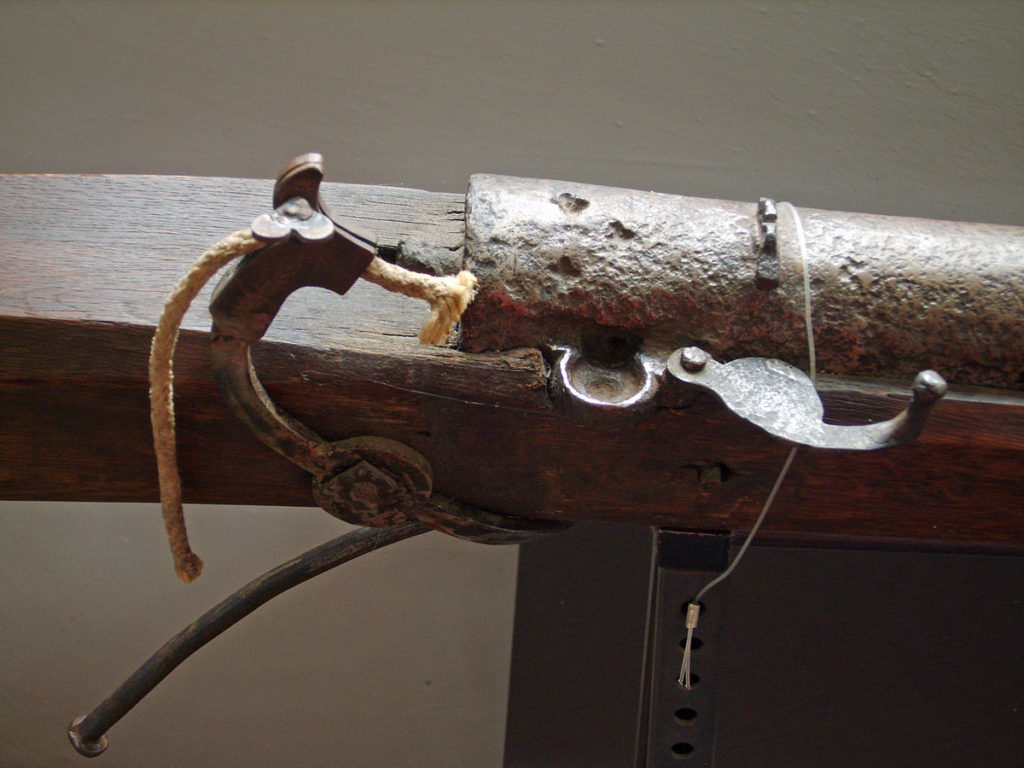
The matchlock was the first mechanism invented to free the user of a handheld firearm from having to light the weapon’s powder charge by hand. Matchlock guns were the first to use a trigger as the means of firing. Subsequent improvements on the matchlock’s design would lead to wheellock, flintlock and caplock pistols; with each modification shortening the period between the pulling of the trigger and the projectile leaving the gun’s muzzle.
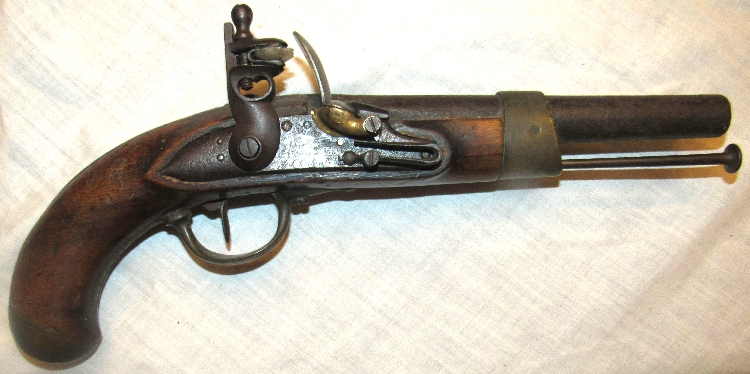
flintlock 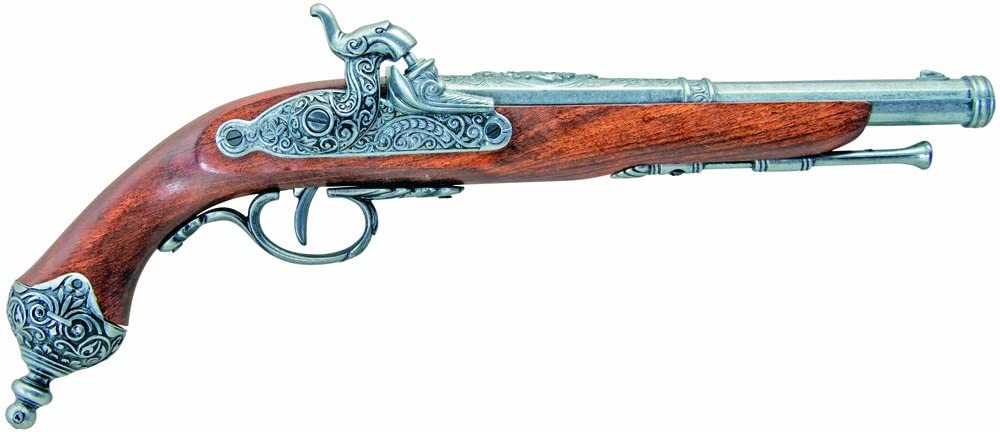
caplock
“Now the stranger started talking, made it plain to folks around
Was an Arizona ranger, wouldn’t be too long in town
He came here to take an outlaw back alive or maybe dead
And he said it didn’t matter, he was after Texas Red
(After Texas Red)” – Big Iron (Robinson)
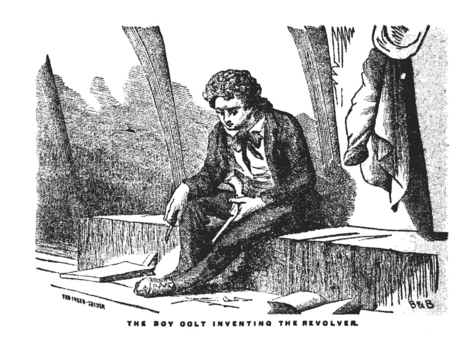
At the age of sixteen, Samuel Colt was enrolled in boarding school, where he was to study navigation. He was later expelled from school for engaging in pyrotechnics that caused a fire. He was then sent to sea by his father to study navigation first hand, embarking on a nearly yearlong voyage to Calcutta in 1830.
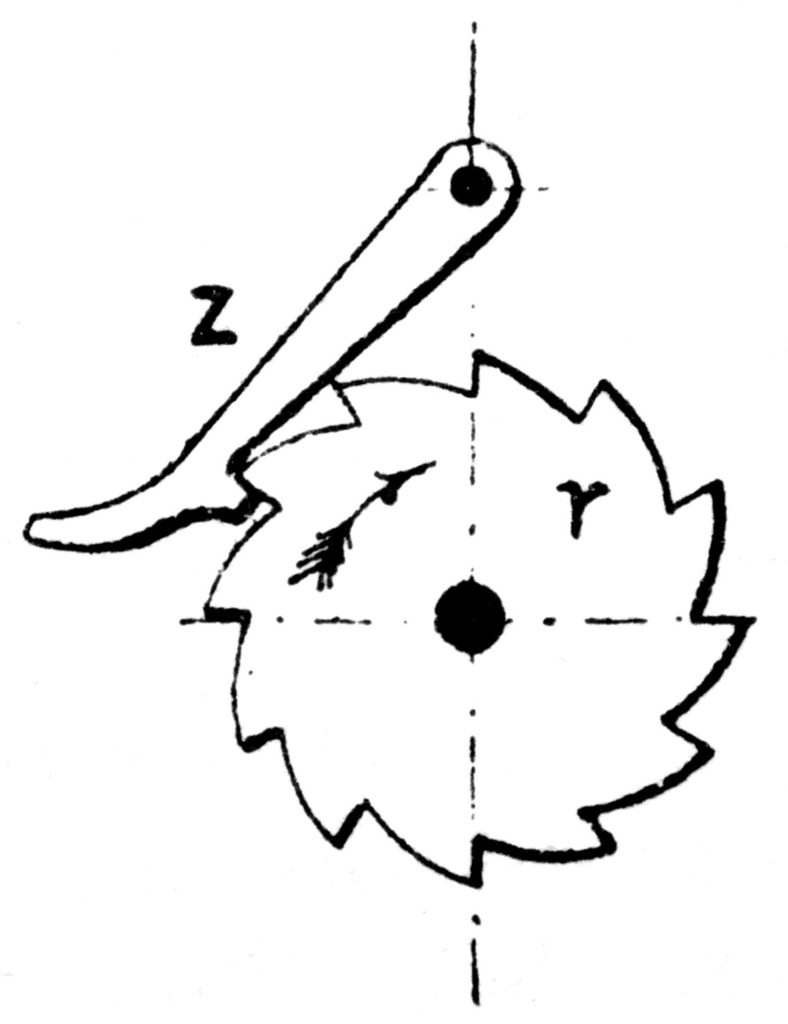
While at sea aboard the brig Corvo, Colt derived an idea from the operation of the ship’s capstan, which incorporated a ratchet and pawl mechanism to alternately spin or lock the wheel in a fixed position through the use of a clutch. Out of wood he carved a prototype revolver that allowed the user to rotate the cylinder by cocking the hammer, with an attached pawl turning the cylinder, which is then locked firmly in alignment by a bolt. This design was a vast improvement over existing “pepperbox” revolver models that required the user to turn the cylinder by hand and hope for proper barrel alignment.
“Wasn’t long before the story was relayed to Texas Red
But the outlaw didn’t worry, men that tried before were dead
Twenty men had tried to take him, twenty men had made a slip
Twenty one would be the ranger with the big iron on his hip
(Big iron on his hip)” – Big Iron (Robinson)
Colt returned to the United States in 1832 and was able to convince his father to help finance early development stages for his firearm designs. When his father refused a further influx of cash, Colt looked for other sources to fund his endeavors. Having learned about nitrous oxide from a chemist at his father’s textile plant, he took to the road and earned a living performing laughing gas demonstrations across the U.S. and Canada, calling himself “the Celebrated Dr. Coult of New-York, London and Calcutta”.
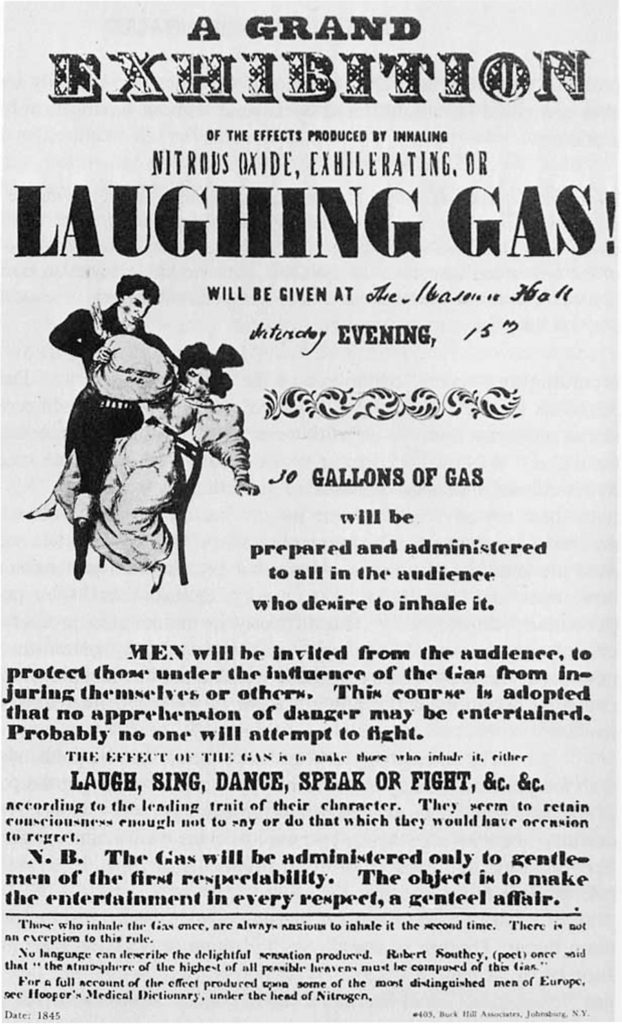
With savings from his exploits as a “medicine man”, and enlisting the expertise of skilled gunsmiths, Colt was able to refine his design for a pistol with a fixed barrel and rotating cylinder, as opposed to his original idea for a gun with multiple revolving barrels.
On the advice of a family friend he first obtained a patent for his “revolving gun” in the United Kingdom in 1835, and was then awarded a patent from the United States the following year.
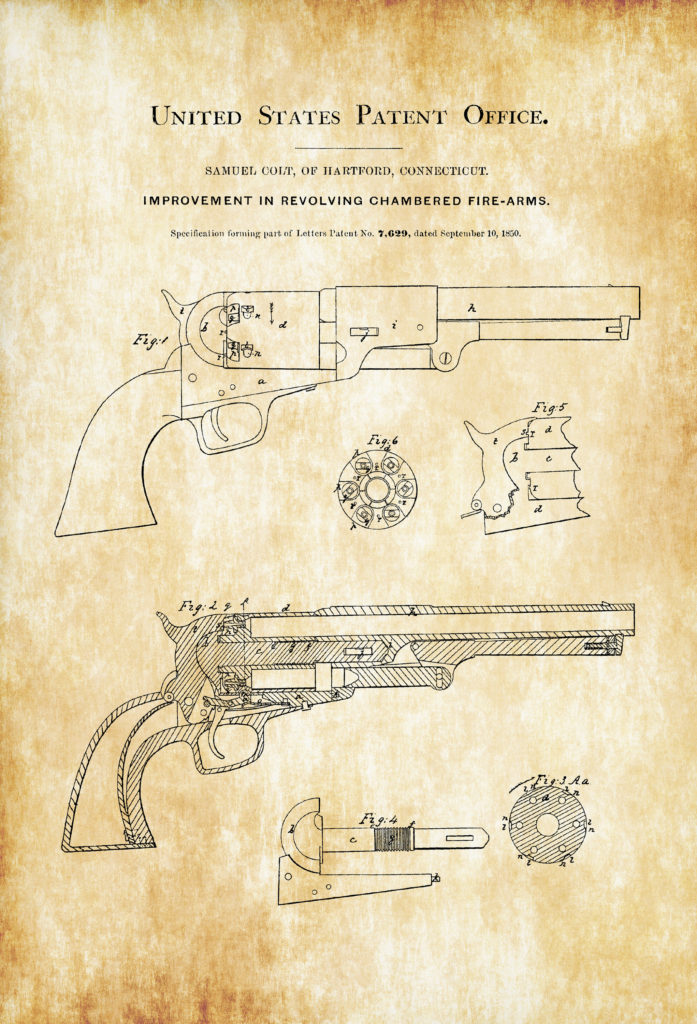
“The morning passed so quickly, it was time for them to meet
It was twenty past eleven when they walked out in the street
Folks were watching from their windows, every-body held their breath
They knew this handsome ranger was about to meet his death
(About to meet his death)” – Big Iron (Robinson)
In spite of the innovations that Samuel Colt brought to the handgun market, his first manufacturing enterprise, Patent Arms Manufacturing Company, was a failure. One problem for Colt was the Militia Act of 1808 which stated that any arms purchased by a state militia had to be in current service in the United States Military. Though he had demonstrated his gun for President Andrew Jackson, and the weapon had received the president’s approval, he was unable to convince the U.S. military to purchase his weapons.
Lacking the sales necessary to support growth, the company’s shareholders took control and in 1842 the company was shut down with its inventory auctioned off. Fortunately for Colt, he had had the foresight to register his patents in his name and he retained all the rights to his gun designs.
“There was forty feet between them when they stopped to make their play
And the swiftness of the ranger is still talked about today
Texas Red had not cleared leather ‘fore a bullet fairly ripped
And the rangers aim was deadly with the big iron on his hip
(Big iron on his hip) – Big Iron (Robinson)
Following the liquidation of his arms company, Samuel Colt continued to invent and innovate, selling underwater electrical detonators and waterproof cable of his own design. For a period he teamed with Samuel Morse to work on an underwater telegraph cable. He also continued to revise and improve his revolver, including adopting a metallic cartridge which could be rear-loaded into the gun’s cylinder chambers much more quickly than using paper wrapped powder and ball cartridges which necessitated front loading.
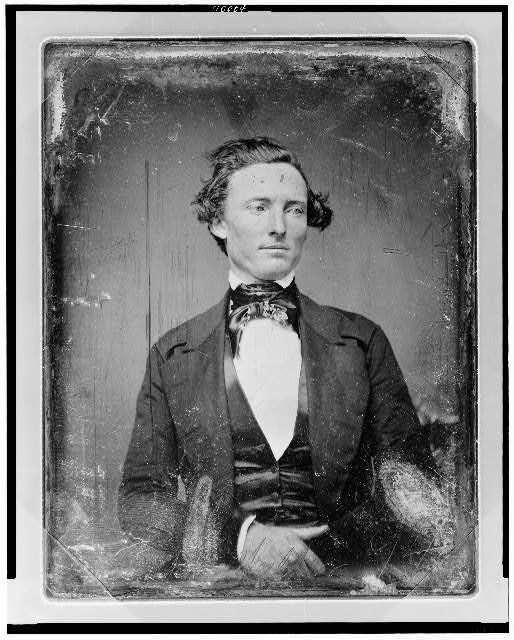
In 1847, Colt met with Captain Samuel Walker of the Texas Rangers. Walker had acquired some early models of Colt’s revolver and had seen firsthand how effective the guns could be in confrontations with the Comanches in Texas. Walker wished to place an order for 1,000 guns but specified some changes he would like to see in the weapon’s design. He wanted the guns to allow for 6 shots, rather than 5; he wanted the guns to be easier to reload, and he included the stipulation that it possess enough power to kill either a human or a horse with a single shot.
With this large order, Colt was able to establish a new firearms company, and produce the Colt Walker, which incorporated his prototype and Captain Walker’s suggested modifications. The company soon received an order for an additional thousand guns, and with revenue from the sales and a loan from his cousin, Colt’s Patent Fire-Arms Manufacturing Company built their own factory overlooking the Connecticut River at Hartford.
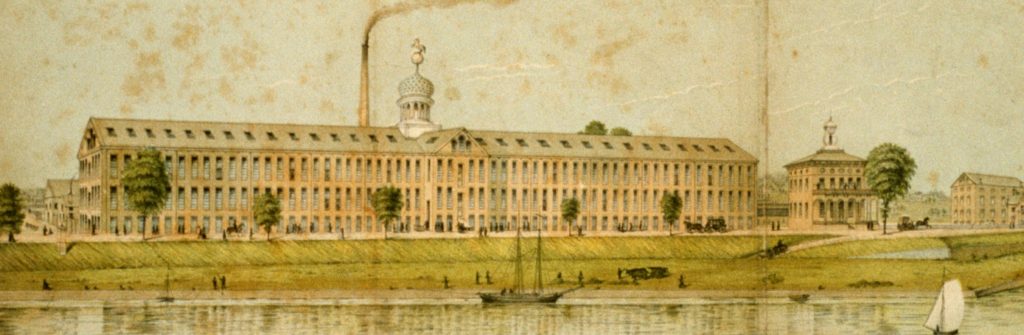
“It was over in a moment and the folks had gathered round
There before them lay the body of the outlaw on the ground
Oh, he might have gone on living, but he made one fatal slip
When he tried to match the ranger with the big iron on his hip
Big iron on his hip” – Big Iron (Robinson)
Samuel Colt died at his Connecticut mansion, Armsmear, on January 10, 1862, at the age of 47. Colt willed his estate to his wife and three-year-old son. At the time of his death, the estate was valued at $15,000,000 (equivalent to $384m in 2019). Colt’s company is reported to have manufactured more than 400,000 firearms during his lifetime, and still in business today, has produced more than 30 million pistols, revolvers, and rifles.
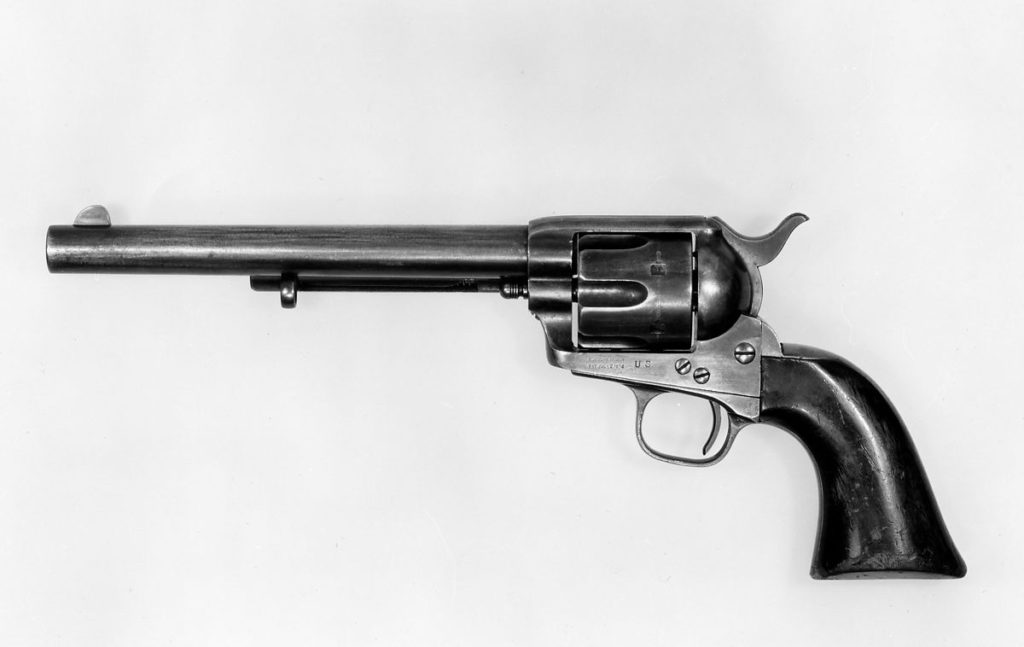
In 1872 the company began manufacture of the Colt Single Action Army handgun, also known as the Colt .45 or the Peacemaker, the standard service revolver of the U.S. military between 1873 and 1892. The ironically named Peacemaker has been called, “The Gun That Won the West”, and quite possibly is the “Big Iron” referred to in Marty Robbins’ song of the same name.
In his 1966 novel, When Eight Bells Toll, Scottish author Alistair MacLean writes:
“The Peacemaker Colt has now been in production, without change in design, for a century. Buy one today and it would be indistinguishable from the one Wyatt Earp wore when he was the Marshal of Dodge City. It is the oldest hand-gun in the world, without question the most famous and, if efficiency in its designated task of maiming and killing be taken as criterion of its worth, then it is also probably the best hand-gun ever made.”
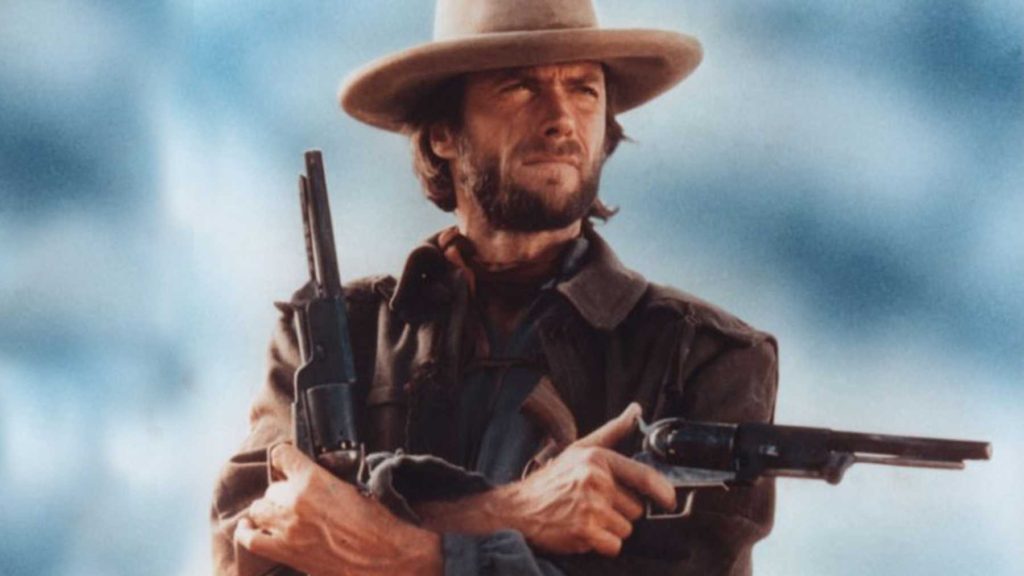
“Big iron, big iron
When he tried to match the ranger
With the big iron on his hip
(The Big Iron on his hip)” – Big Iron (Martin Robinson) © Warner Chappell Music
Sources:
https://en.wikipedia.org/wiki/Revolver
https://en.wikipedia.org/wiki/Samuel_Colt
https://en.wikipedia.org/wiki/Colt_Single_Action_Army
https://www.history.com/topics/inventions/samuel-colt
https://en.wikipedia.org/wiki/Gunpowder
https://en.wikipedia.org/wiki/Handgun
All photos sourced through internet searches, none belong to the author.
]]>“Don Miguel Roho…I want to talk to you!
Don Miguel, I hear you’re hiring on men.
Well, I just may be available.
I gotta tell you before you hire me, I don’t work cheap…!” – A Fistful of Dollars
Sergio Leone was born in Rome on January 3, 1929. Considering that he was the son of a cinema pioneer (Vincenzo Leone, known professionally as Roberto Roberti) and a silent film actress (Bice Valerian), it is not surprising that he would follow the same professional paths as his parents. Initially setting out to study law, Sergio dropped out of university at age 18 to begin his own career in the film industry.
In 1948, Leone worked as an assistant to Vittorio de Sica during the production for the movie The Bicycle Thief. During the 1950s he began writing screenplays for historical epics – known in the industry as “sword & sandal” movies – which were a popular genre at the time. He also worked as an assistant director on several large-scale international productions, including Quo Vadis (1951) and Ben-Hur (1959).
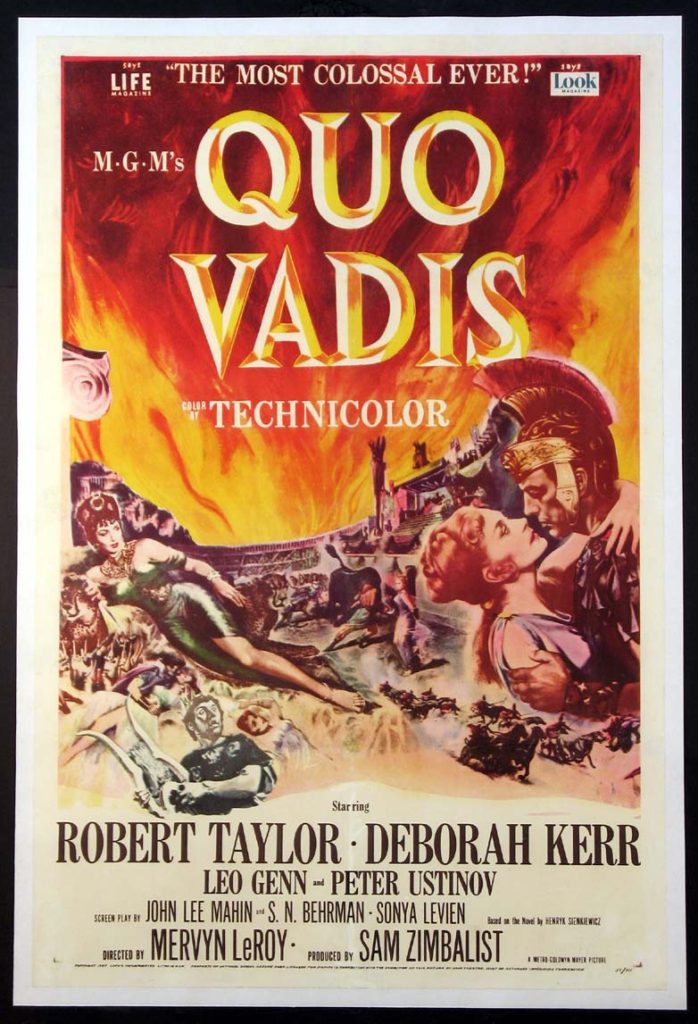
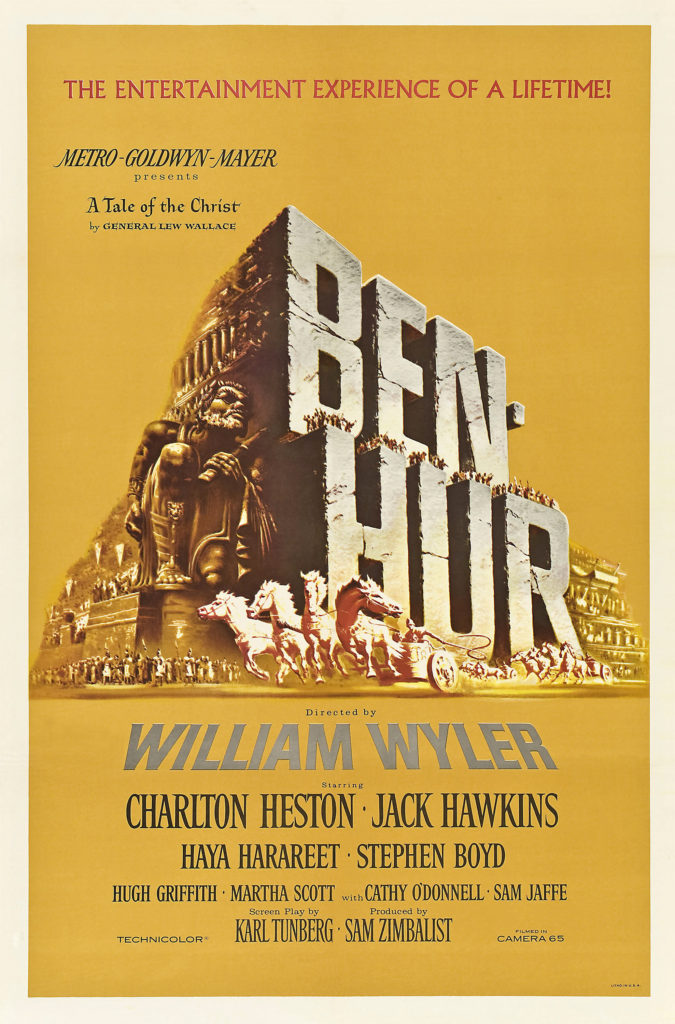
This experience provided Leone with the ability to produce low-budget films that looked like A-list Hollywood productions.
During the next decade, the historical epics upon which Leone had cut his film making teeth began to fall out of fashion. Having long been fascinated by the mythology of the American West, he turned his focus towards a new subject. In time his films in this genre, along with those of his contemporaries, would become known as “Spaghetti Westerns”, due to being made primarily by Italian directors.
In fact, the first Italian Western film, La Vampira Indiana (1913) – which combined the genres of Westerns & vampires – was directed by Leone’s father, and featured his mother in the title role as Indian princess Fatale. Is it any wonder that Leone would come to make such an indelible mark on what had traditionally been American subject matter.
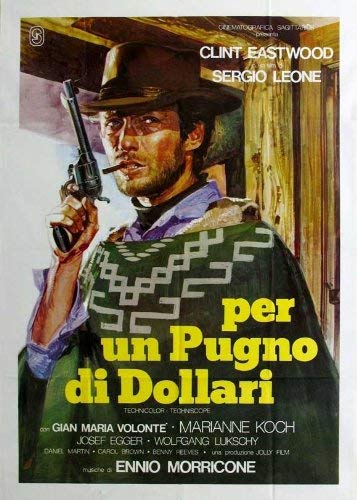
The Man With No Name:
“I don’t think it’s nice, you laughin’.
You see, my mule don’t like people laughing.
He gets the crazy idea you’re laughin’ at him.
Now if you apologize, like I know you’re going to,
I might convince him that you really didn’t mean it.” – A Fistful of Dollars
Based upon Akira Kurosawa’s picture Yojimbo, A Fistful of Dollars was Sergio Leone’s first release in the series of films that would later become known as the “Man with No Name” trilogy. Filmed mostly on location in Spain, the movie debuted in 1964 and was followed by For a Few Dollars More (1965), and The Good, the Bad and the Ugly (1966). Through this group of pictures, the director, who credited John Ford as a mentor, succeeded in updating a genre wherein the heroes and villains had always been clearly identifiable to the audience.
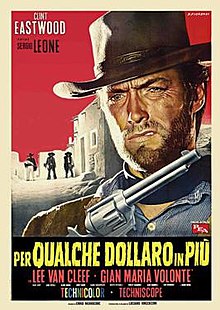
For A Few Dollars More 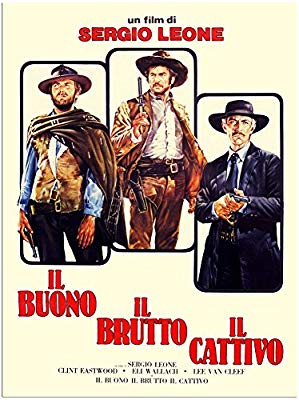
The Good, The Bad & The Ugly
In the 1980 book Cinema: A Critical Dictionary, Richard Corliss describes ”the Leone universe” as ”a blend of seamless contradictions: labyrinthine plots and elemental themes, nihilistic heroes with romantic obsessions, microscopic close-ups and macrocosmic vistas, circular camera work and triangular shoot-outs, a sense of Americana and a European sensibility, playful parody and profound homage.”
Some criticized his movies for being overly violent, to which he replied: ”The cowboy picture has got lost in psychology . . . The West was made by violent uncomplicated men, and it is this strength and simplicity that I try to recapture in my pictures.”
Gone were the days of good guys wearing white hats, and bad guys wearing black ones.
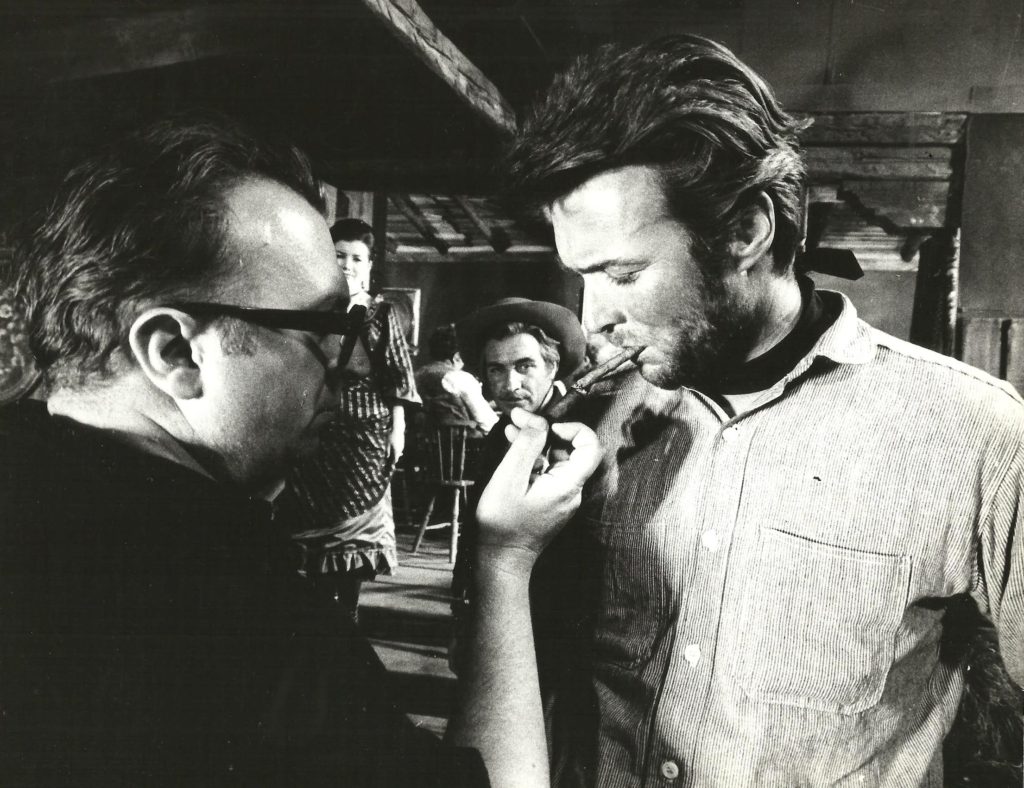
The Man With No Name: It’s a small world.
The Hunchback: Yes and very, very bad. Now, come on. You light another match.
The Man With No Name: I generally smoke just after I eat. Why don’t you come back in about ten minutes?
The Hunchback: Ten minutes you’ll be smokin’ in hell! – For a Few Dollars More
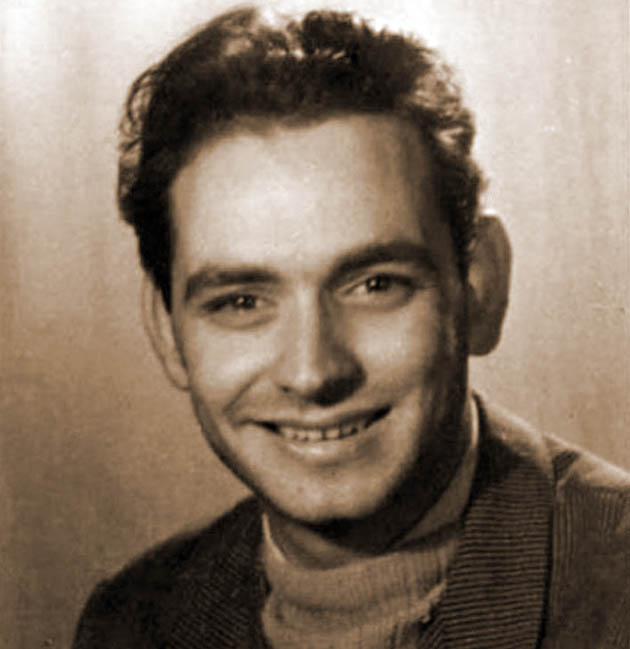
When the time came to add music to his Western films, Sergio Leone teamed up with his childhood friend, Ennio Morricone.
Like Leone, Ennio Morricone was a native Roman. He was born in the Italian city on November 10, 1928, to Libera Ridolfi and Mario Morricone. His first music teacher was his father, who was a trumpet player with various light-music orchestras. Mario taught his son how to read music and play several musical instruments.
Ennio entered the National Academy of St Cecilia at the age of 12, to study trumpet under the guidance of Umberto Semproni. He was enrolled in a four-year harmony program, which he completed within six months.
Throughout the 1950s, Morricone supported himself and his family by playing trumpet in jazz bands, as well as writing and arranging orchestral music for radio and television with the Italian broadcasting service RAI. Later in that decade, he became a top studio arranger at RCA Victor, working with a number of well known Italian pop artists.
Morricone’s first work in cinema was as a ghostwriter for films credited to other already well-known composers. Through this experience, the composer learned to craft simple, memorable themes.
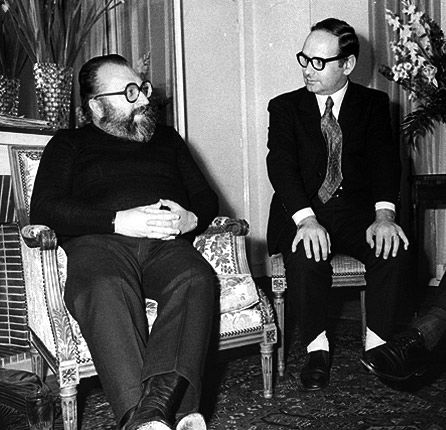
In the early 1960s, Morricone had composed music for a number of Italian westerns, but it was his arrangement of an American folk song that intrigued Sergio Leone and prompted the director to seek the talents of his former school mate. Together they would create the distinctive score for Leone’s first “Spaghetti Western”, A Fistful of Dollars, and Morricone would go on to compose the music for all of Sergio Leone’s films.
“Where life had no value, death, sometimes, had its price. That is why the bounty killers appeared.” – Intro to For A Few Dollars More.
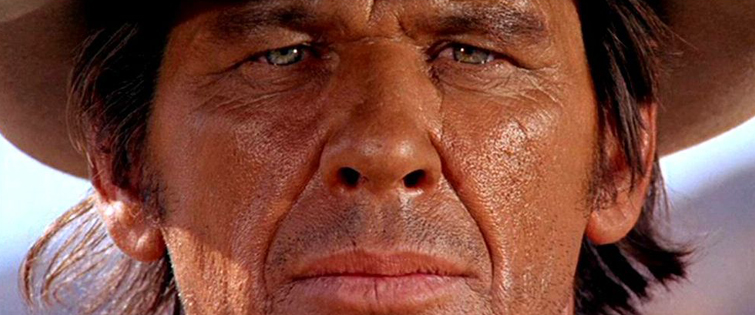
Charles Bronson 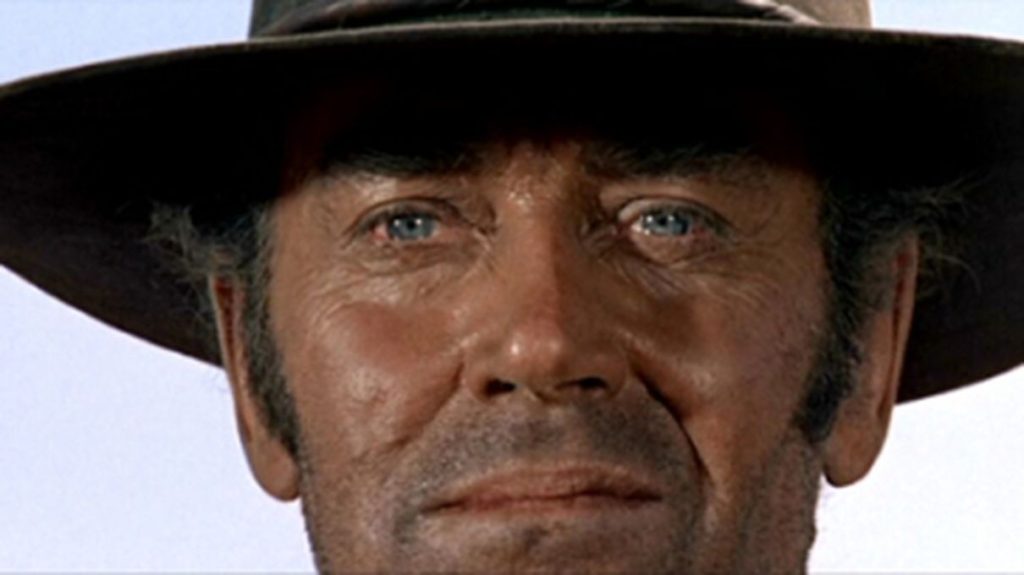
Henry Fonda
Known for extreme close-ups, and scenes that linger over the expressions of his actors, Leone used music to tell his stories as much – or more – than he did words.
“For me, the music kind of takes the role of the dialogue. I’m looking to share emotions through the music and especially through the psychology of the characters,” Sergio Leone commented in an interview from 1974.
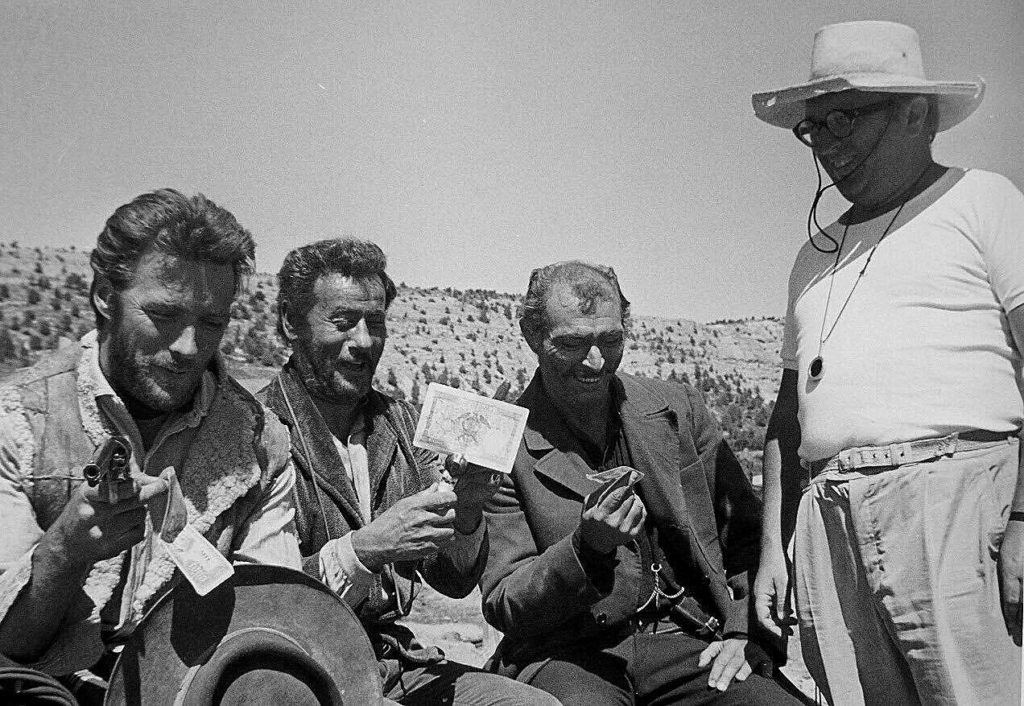
Leone’s working relationship with his composer was unique from most other moviemakers, in the sense that Morricone was involved early on in the filmmaking process, usually before the script had been written. In an interview with Cinephilia & Beyond, Leone explains the role Morricone played in helping to shape the films:
“From Ennio, I ask for themes that clothe my characters easily. He’s never read a script of mine to compose the music because many times he’s composed the music before the script is ever written. What I do is give him suggestions and describe to him my characters, and then, quite often, he’ll possibly write five themes for one character, and five themes for another; and then I’ll take one piece of one of them and put it with a piece of another one for that character or take another theme from another character and move it into this character… And when I have my characters finally dressed, then he composes . . . I don’t enter into particulars with him. I give him the feeling and the suggestions of the characters.”
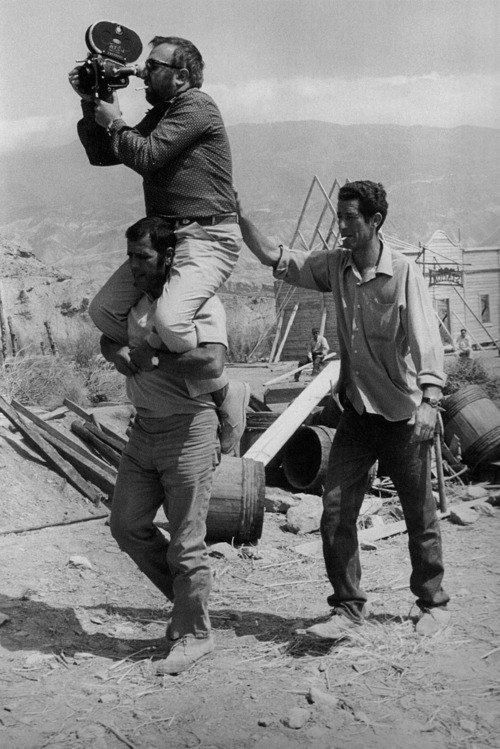
Ramón Rojo (Gian Maria Volonté):
“When a man with a .45 meets a man with a rifle, the man with a pistol will be a dead man.” – A Fistful of Dollars
With tight budget restrictions and the cost of large orchestras being prohibitive, it was necessary for Ennio Morricone to be creative in his uses of instrumentation for Leone’s Western film scores. To help realize the musical themes he had created for A Fistful of Dollars, Morricone turned to another childhood friend, Alessandro Alessandroni, and thus began what would become a 20-year collaborative relationship between the two men.
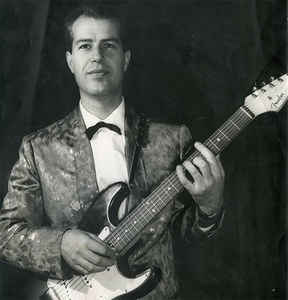
Alessandroni mastered the guitar and other stringed instruments at a young age; later he learned to play the tenor saxophone. Along the way, he recognized that he had an impressive ability to whistle, which came to be a distinctive and ethereal feature of Leone’s Western soundtracks. Alessandroni once spoke of this particular talent, “Anybody can whistle, but it is a matter of having a big quantity of breath and a small quantity of sound”.
Alessandroni had earlier formed his own vocal quartet, The Four Caravels, which he expanded to a sixteen-member group and renamed I Cantori Moderni (The Modern Singers), as he began working with Morricone on his film scores. One particular member of the vocal ensemble, soprano Edda Dell’Orso, would also feature prominently as a soloist in Morricone’s soundtracks for Leone’s Western films.
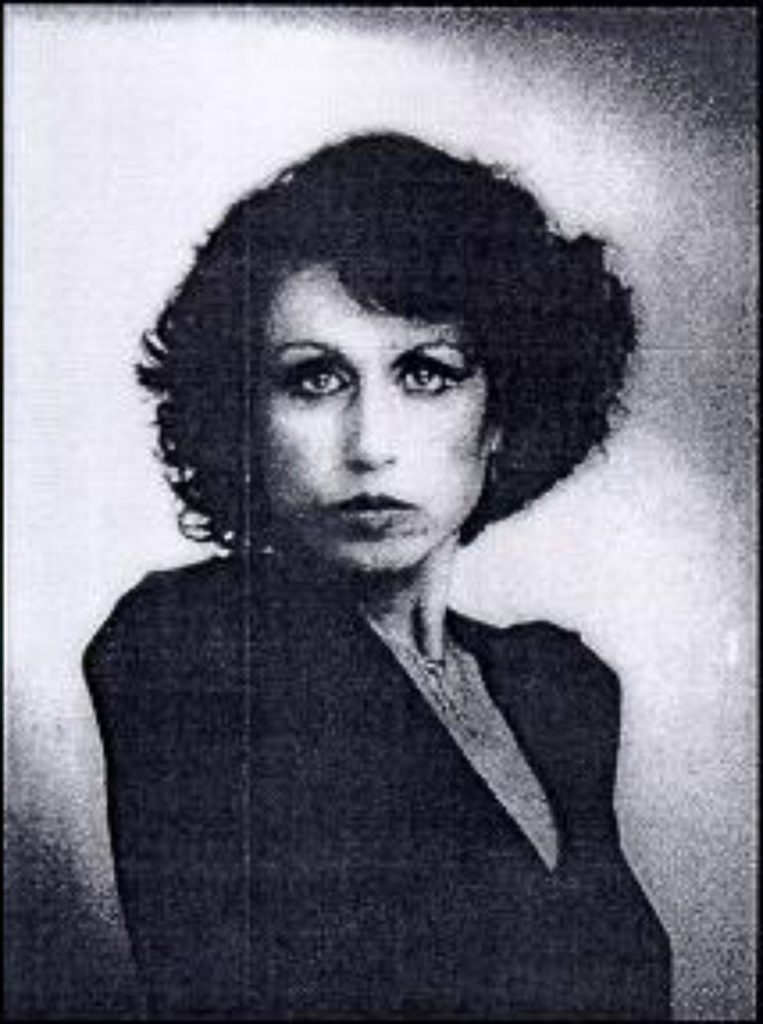
Gunshots, cracking whips, bell chimes, jews harp, harmonica, whistles & wordless vocals, along with Alessandro Alessandroni’s twanging Fender guitar, have become familiar elements in our modern perception of the soundtrack of the Old West.
Recently I heard a radio ad for a local sandwich chain that was touting their new “Southwestern” something or other. The accompanying music featured many of the sounds listed above, and I realized how deep in the contemporary folklore of the American West runs the influence of Ennio Morricone, the man referred to by many as simply “Il Maestro”.
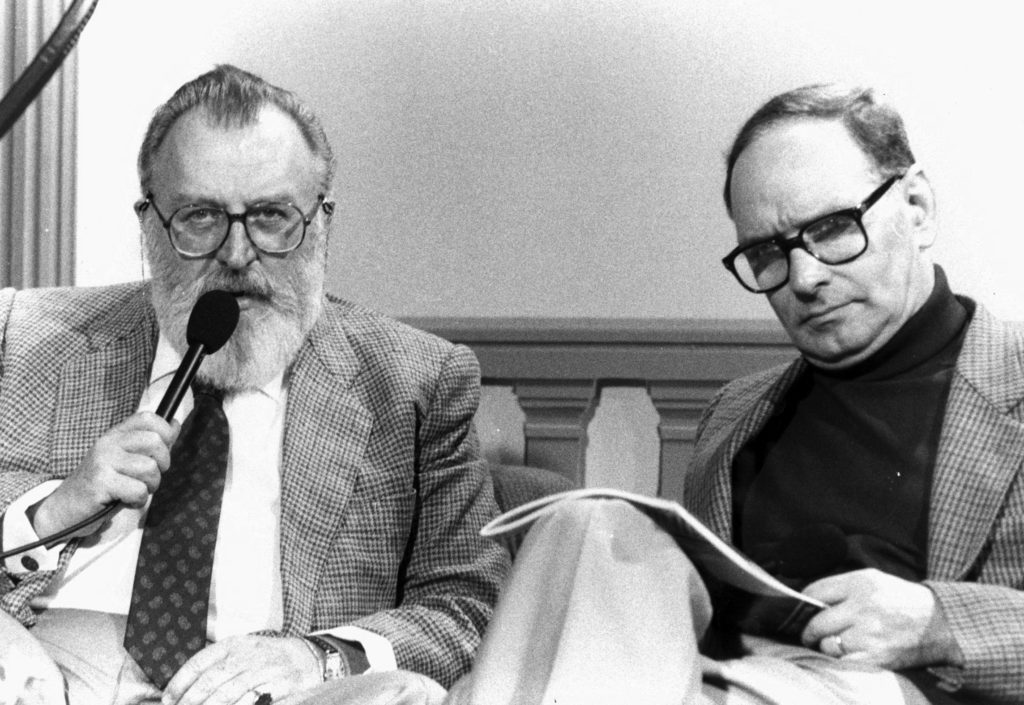
Blondie (Clint Eastwood) to Tuco (Eli Wallach):
“You see in this world there’s two kinds of people my friend – those with loaded guns, and those who dig. You dig.” – The Good, The Bad and The Ugly
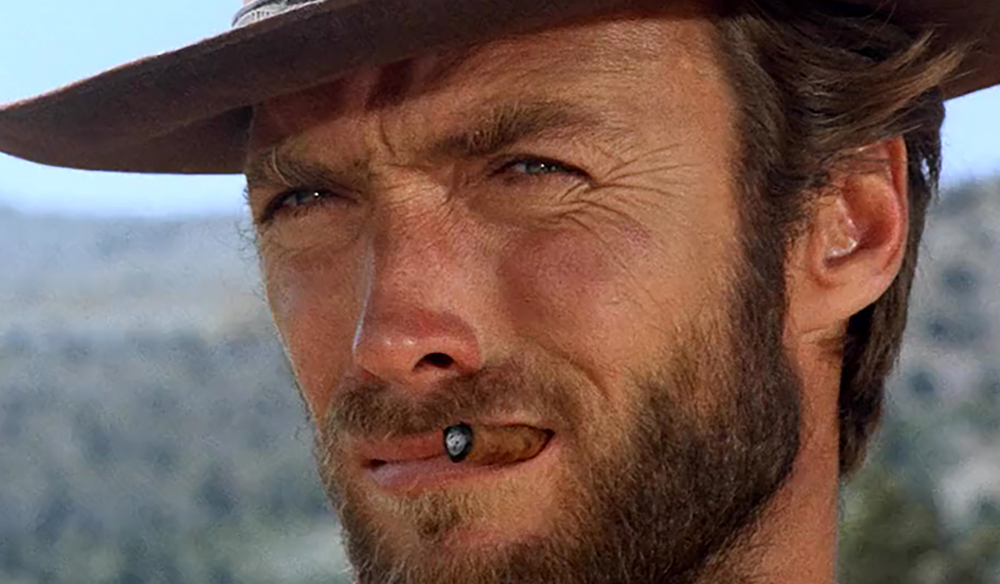
Clint Eastwood 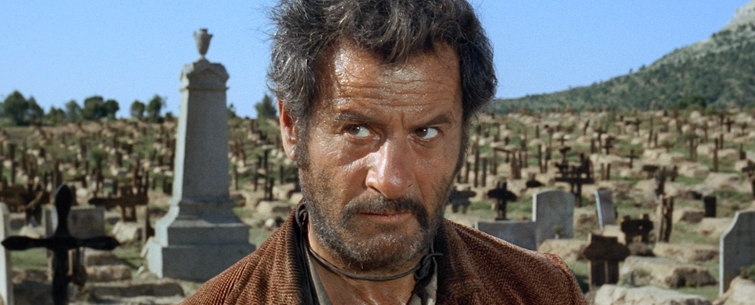
Eli Wallach
Despite the small budgets, the films of the “Man With No Name” trilogy enjoyed great success and were eventually released in the US several years after their European releases. In August of 1968 the original score of The Good, The Bad and The Ugly, was certified gold by the RIAA for sales of 500,000 units; it would go on to sell more than 3 million copies. Hugo Montenegro’s recorded version of “The Good, The Bad and The Ugly” theme, was also a hit, selling more than a million copies.
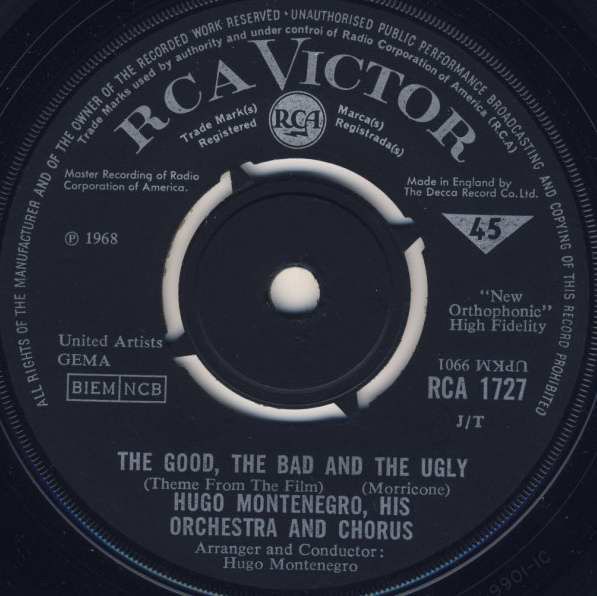
Morricone’s score for Once Upon a Time in the West is one of the best-selling soundtracks of all-time, with more than 10 million copies sold worldwide. The movie’s theme, “Man With a Harmonica”, sold more than 1 million copies in France alone. That track has been sampled by a number of artists on modern recordings.
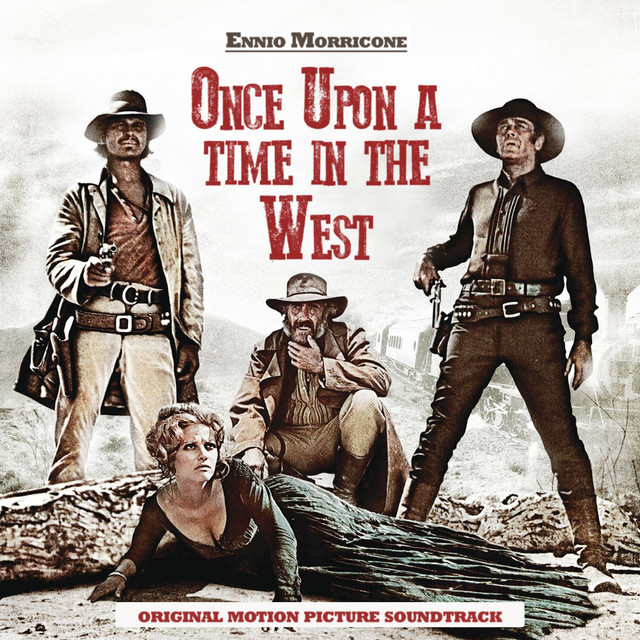
“L’estasi dell’ Oro” (Ecstasy of Gold), a theme from The Good, The Bad and The Ugly, was used as closing music by The Ramones and is featured as opening music by Metallica. Metallica has also performed a heavy metal version of Morricone’s theme.
Morton (Gabriele Ferzetti): Tell me, was it necessary that you kill all of them? I only told you to scare them. Frank (Henry Fonda): People scare better when they’re dying. – Once Upon a Time in the West
Ennio Morricone has composed over 400 scores for cinema and television, as well as over 100 classical works. He has sold more than 70 million records worldwide in a career that has spanned more than seven decades. In 1971, the composer received his first golden record (disco d’oro) for the sale of 1,000,000 records in Italy and later received a “Targa d’Oro” for worldwide sales of 22 million. He has received numerous awards & accolades, including Grammies, Golden Globes, BAFTAs, as well as many awards from his native Italy and other European nations. In 2007 he was given the Academy Honorary Award, which was presented by Clint Eastwood, being only the second composer to receive the award. In 2016 he won his first competitive Oscar for Quentin Tarantino’s The Hateful Eight.
I find it ironic, and immensely entertaining that this native Roman, who has never learned to speak English, and never spent a significant amount of time in the US, should have had such an indelible influence on our modern idea of the how the Old West sounded. I hereby salute “Il Maestro”!
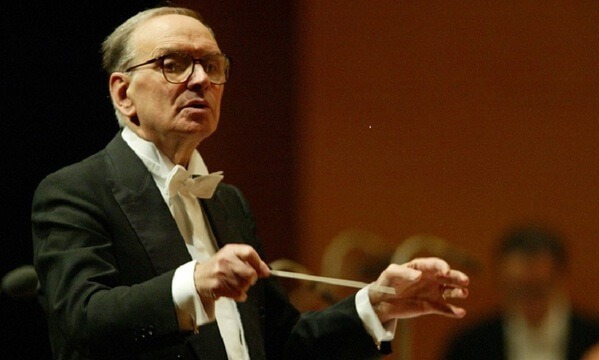
Coming May 4 @ A Cowboy Song: I Should’ve Been a Cowboy
Sources:
https://en.wikipedia.org/wiki/Ennio_Morricone
http://www.alessandroni.com/Biography.htm
https://www.soundohm.com/product/alessandro-alessandroni/pid/22894/
https://en.wikipedia.org/wiki/Sergio_Leone
All photos sourced through internet searches, none belong to the author
]]>And I knocked on my door
And I called to my love
As I oft had before
And I knocked and I knocked
No answer there came
No kisses to greet me
No voice called my name” – I Couldn’t Believe It Was True (Eddy Arnold / Wally Fowler) © Universal Music
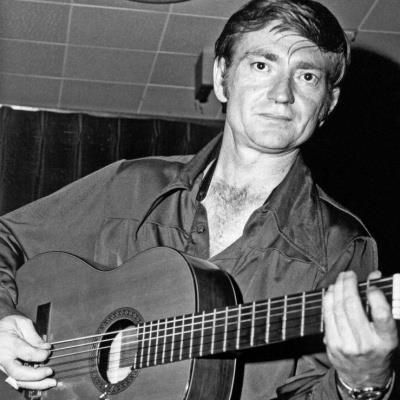
On Dec 23, 1969, Willie Nelson returned to his Ridgetop, Tennessee home from a Christmas party in Nashville, to find the house in flames. From the blaze, Nelson was able to rescue his Martin acoustic guitar, the instrument he had named Trigger in honor of Roy Rogers’ horse, but not much else. Viewing the fire and its destruction of his property as a sign, Willie set about making new plans.
By 1970, Willie Nelson had spent a decade living and working in Nashville. He had achieved great success as a songwriter when a number of his early compositions became huge hits for the artists having recorded them. And yet Nelson’s success as a performing artist had been somewhat more modest, causing him frustration and disillusionment for the manner in which the business of music was conducted in Nashville. Understanding that his image and sound were never going to conform to the established Music City style, Willie returned to his native Texas.
“Oh the shock was so great
I am quivering yet
And I’ll try to forgive
But I cannot forget
My heartbreaking loss
Is another man’s gain
And her happiness always
I hope will remain
And I couldn’t believe it was true
Oh Lord, I couldn’t believe it was true
And my eyes filled with tears
And I must have aged ten years
And I couldn’t believe it was true” - I Couldn’t Believe It Was True (Arnold/Fowler)
Having divorced his second wife, Willie settled into a ranch near Bandera, Texas, and married Connie Koepke. He continued releasing recordings through RCA, with continued moderate success. When RCA requested that Willie renew his contract ahead of schedule, implying that the company may refuse to release his latest recordings were he unwilling to do so, ever more frustrated, he chose to retire from music.
In 1972, Willie moved to Austin, Texas, drawn by what proved to be a thriving and progressive music scene. He could now perform his own style of country music colored by the influences of the folk, jazz, and blues that he loved, and his popularity grew rapidly. Much invigorated, Nelson returned to the music business and enlisted a new manager to negotiate a release from his contract with RCA Records. As a free agent, he was signed by Jerry Wexler to a deal with Atlantic Records for $25,000 per year, becoming that label’s first country artist.
“It was a time of the preacher
In the year of O-one
Now the lesson is over
And the killin’s begun” – Time of the Preacher Theme (Willie Nelson)
Willie put together a band which he calls “The Family”, consisting of several members of his old touring band, “The Record Men”, as well as new players, including his sister Bobbie on keyboards. Many of these musicians continue performing with Nelson to this day.
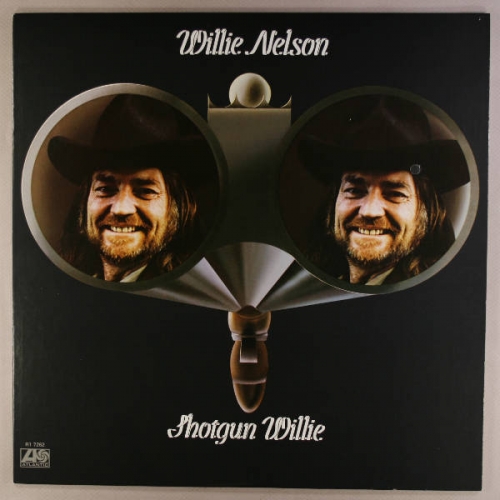
He set about recording and releasing two albums for Atlantic Records, Shotgun Willie & Phases and Stages, and although they were well-reviewed, sales were modest. However, these recordings with “The Family” allowed Willie to establish a new style, ultimately finding the musical voice that had proved so elusive to him in Nashville. Nelson would later state that Shotgun Willie allowed him to musically “clear his throat”.
When Atlantic Records chose to end its foray into country music, Nelson was left without a label. He soon found a home at Columbia Records, where his previous critical & commercial successes allowed him to negotiate a contract that gave him complete creative control over his recordings. His first album for Columbia, his eighteenth studio album as a recording artist, would be the concept album, Red Headed Stranger.
“A red-headed stranger from Blue Rock Montana rode into town one day
And under his knees was a raging black stallion and walkin’ behind was a bay
The red-headed stranger had eyes like the thunder, his lips they were sad and tight
His little lost love lay asleep on the hillside, and his heart was heavy as night
Don’t cross him don’t boss him, he’s wild in his sorrow, he’s ridin’ and hidin’ his pain
Don’t fight him don’t spite him, let’s wait till tomorrow, maybe he’ll ride on again” – Red Headed Stranger (Carl Stutz / Edith L Calisch) © Sony/ATV Music
“Tale of the Red Headed Stranger” was a song recorded by Arthur “Guitar Boogie” Smith that Willie Nelson had played regularly while working as a disc jockey in Fort Worth, Texas; he would also sing the song to his children at bedtime. During a ski trip to Colorado, Willie was inspired by his wife to write a western concept album built around the song. Besides Nelson’s original compositions that provided context to the events described in “The Red Headed Stranger”, the story Nelson conceived also allowed for the inclusion of Eddy Arnold’s “I Couldn’t Believe it Was True”, Fred Rose’s “Blue Eyes Crying in the Rain”, Hank Cochran’s “Can I Sleep in Your Arms?”, and Billy Callery’s “Hands on the Wheel”, among others.
Arthur Smith 
Eddy Arnold 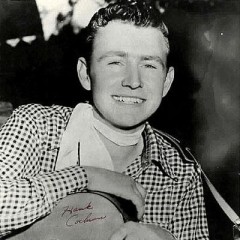
Hank Cochran
“A yellow-haired lady leaned out of her window
And watched as he passed her way
She drew back in fear at the sight of the stallion
But cast greedy eyes on the bay
But how could she know that this dancing bay pony
Meant more to him than life?
For this was the horse that his little lost darling
Had ridden when she was his wife” – Red Headed Stranger (Stutz/Calisch)
The album’s story, as envisioned by Nelson, begins with the title character proclaiming his devotion to his wife, but believing she may be unfaithful. In “I Couldn’t Believe it Was True” his wife’s infidelity is laid bare, and the next tracks lead up to the double murder of the cheating wife and her lover. The “Stranger” then laments the loss of his loved one through the Fred Rose classic, “Blue Eyes Cryin’ in the Rain”.
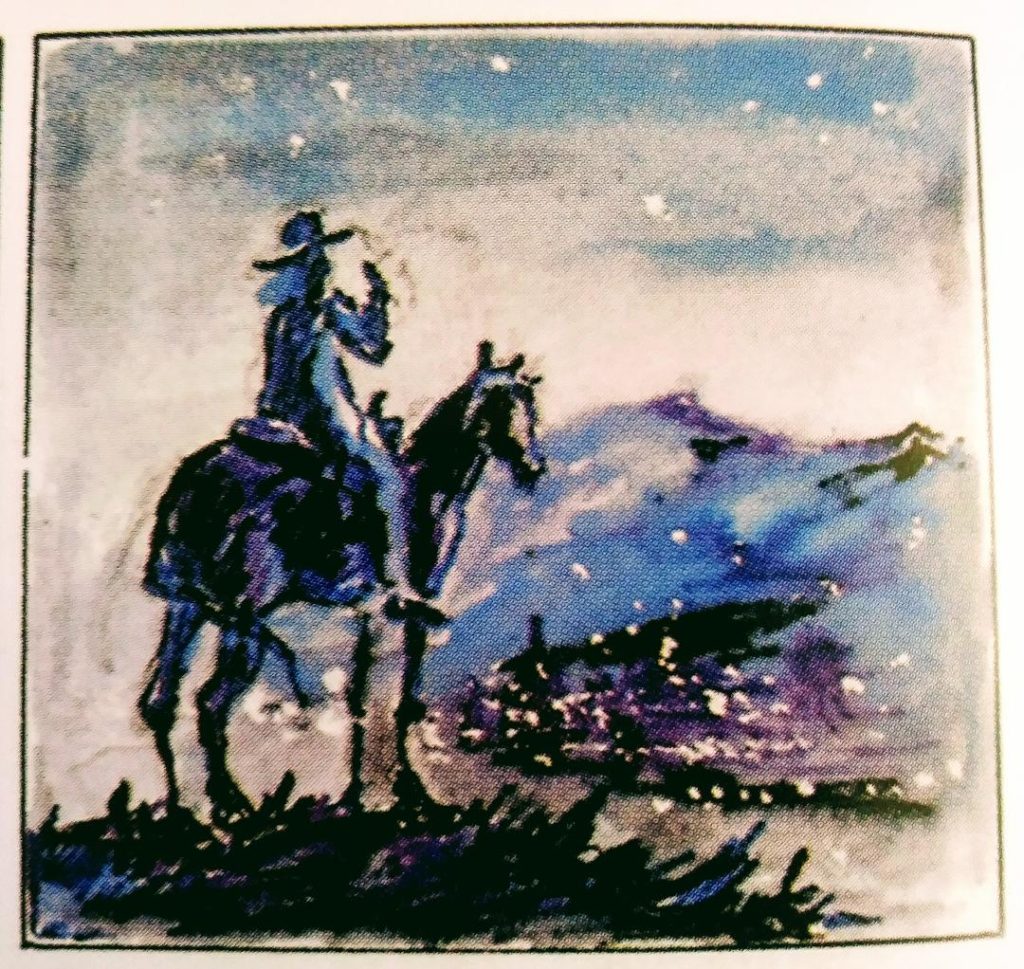
Overcome by grief, the “Stranger” kills again, when he suspects a “yellow-haired lady” of trying to steal his horse. The senseless death is condoned in the lines:
“The yellow-haired lady was buried at sunset
The stranger went free, of course
For you can’t hang a man for killing a woman
Who’s trying to steal your horse” – Red Headed Stranger (Stutz/Calisch)
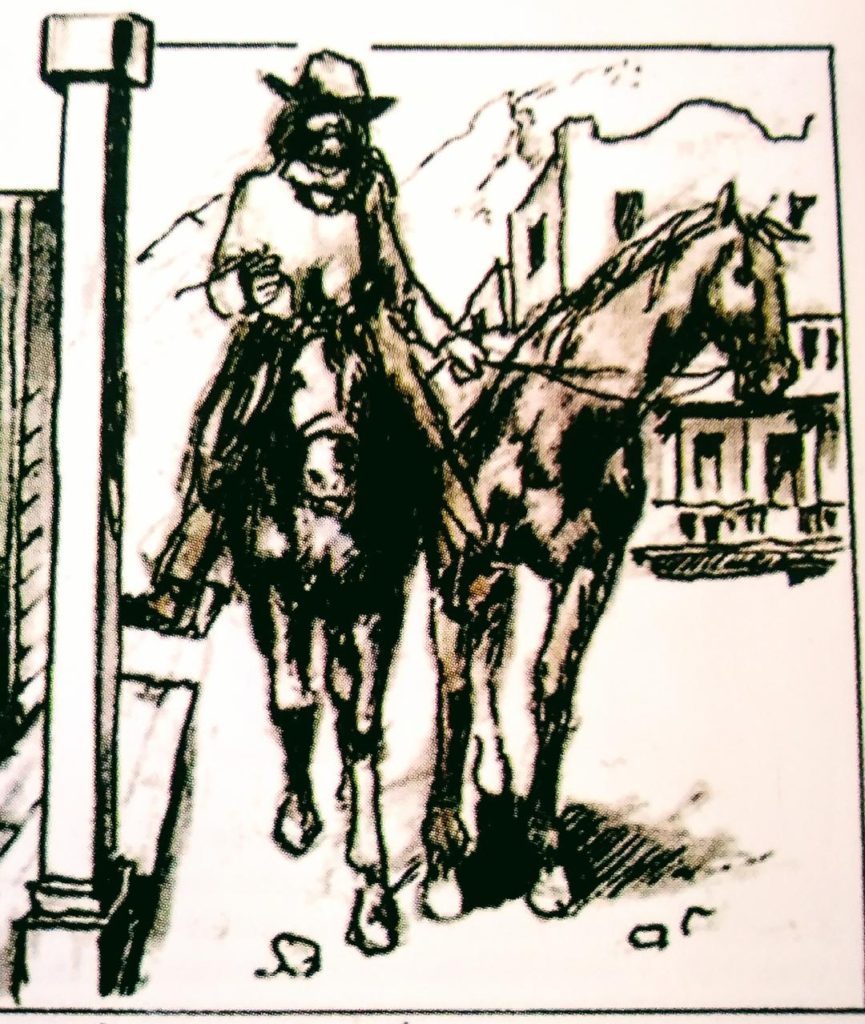
The album’s remaining tracks depict the title character finding new love, and the opportunity for redemption in his old age. Nelson has stated that after writing the opening track, “Time of the Preacher”, the overall story came together quickly:
“I took my time, all the while staying focused on the preacher’s feelings…Hank Cochran’s ‘Can I Sleep in Your Arms’ was the kind of tune the preacher would use to sing himself to sleep. I could also hear the preacher doing a beautiful old ballad by Fred Rose, ‘Blue Eyes Crying in the Rain’, that had been sung by everyone from Hank Williams to Gene Autry to Conway Twitty. It was another song about lost love whose mantra – ‘Love is like a dying ember and only memories remain’ – expressed the overall theme and tied all the loose ends together.”
“Can I sleep in your arms tonight, lady?
It’s so cold lying here all alone
And I have no hold to hold on you
And I assure you, I’ll do you no wrong
Don’t know why, but the one I love left me
Left me lonely and cold and so weak
And I need someone’s arms to hold me
‘Til I’m strong enough to get back on my feet” – Can I Sleep in Your Arms (Hank Cochran) © Sony/ATV Music
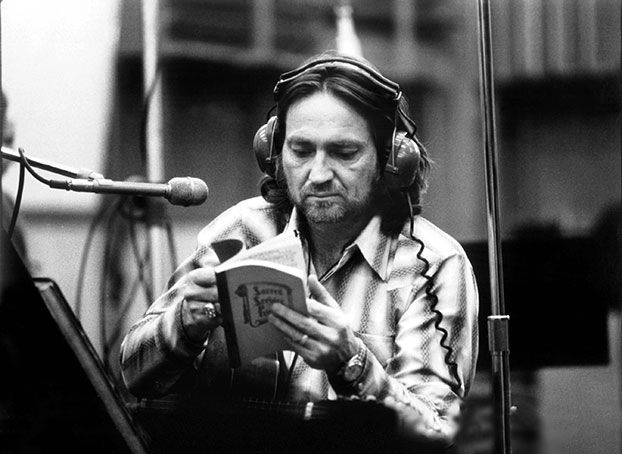
Willie & sister, Bobbie Nelson 
Choosing to record the album in Texas, rather than Nashville, the tracks were laid down in a matter of days. Most of the recording was done live, with the all musicians together in the studio. Bassist Bobby Earl Smith claims that their version of “Blue Eyes” was a one-take recording with everyone sitting in a circle. Comprised of mostly spare arrangements featuring acoustic guitar, piano, bass and drums, the album’s final mixes eschewed the heavy production techniques that had become Nashville hallmarks.
“At a time when the world seems to be spinnin’
Hopelessly out of control
There’s deceivers, and believers, and old in-betweeners
That seem to have no place to go
Well, it’s the same old song, it’s right and it’s wrong
And living is just something that I do
And with no place to hide, I looked in your eyes
And I found myself in you” – Hands on the Wheel (William Callery)
When Nelson delivered the completed album to Columbia Records, the executives there wanted to know why he was giving them a demo. The recordings they were presented with sounded nothing like the current country chart-toppers of the day. They complained that no one would by this music. Nelson states:
“They thought I’d gone insane because there wasn’t that much there . . . I think Waylon Jennings shamed them into putting it out.”
With Nelson’s contract stipulating total creative control, the label had no choice but to release the album as Nelson had recorded it. Red Headed Stranger far surpassed anyone’s expectations for such a uniquely produced country & western recording. The album reached No. 1 on Billboard‘s Top Country Albums chart and remained on the charts for 43 weeks. The album’s first single, “Blue Eyes Cryin’ in the Rain”, topped Billboard’s Country chart – Nelson’s first #1 hit as a recording artist – and reached #21 on Billboard’s Hot 100. The single also won Nelson a Grammy for Best Male Country Vocal Performance. Within a year the album was certified gold; ten years later it was certified double platinum.
Rolling Stone has named Red Headed Stranger one of the top 500 greatest albums of all time, with CMT claiming it to be the best album of all time. Others in the recording industry have referred to it as “the Sgt. Peppers of country music.”
At the time, a number of Nashville music industry insiders were angry and jealous of the public’s reaction to Stranger, believing the album to be “blasphemous and insubordinate” of established Music City traditions. The release proved to be a launching pad for Willie Nelson, with subsequent albums building upon its success. Mother Jones writer Joe Nick Patoski wrote:
“Texans have known for 15 years what Red Headed Stranger finally revealed to the world – that Nelson is simply too brilliant a songwriter, interpreter, and singer – just too damn universal – to be defined as merely a country artist”.
“A brighter face may take my place when we’re apart dear
Another love with a heart more bold and free
But in the end fair-weather friends may break your heart dear
And if they do, sweetheart, remember me
Remember me when the candle lights are gleaming
Remember me at the close of a long long day
And it would be so sweet when all alone I’m dreaming
Just to know you still remember me” – Remember Me (Scott Wiseman)
When the story began
Of the choice of a lady
And the love of a man
How he loved her so dearly
He went out of his mind
When she left him for someone
That she’d left behind” – Time of the Preacher (Willie Nelson) © Sony/ATV Music
Willie Hugh Nelson was born in Abbott, Texas, on April 29, 1933, the son of Myrle Marie and Ira Doyle Nelson. His father was a mechanic, and four years earlier his parents had moved to Texas from Arkansas, as his father looked for work. Willie’s mother left the home soon after he was born, and his father remarried and also moved away. Thereafter he and his sister Bobbie were raised by their grandparents, who, having been singing teachers, started their grandchildren in music.
Willie’s grandfather purchased a guitar for him when he was six, and taught him how to play a few chords. He sang gospel songs in the church choir, along with his sister Bobbie.
In the summer months, the family picked cotton, but Willie didn’t like picking cotton, so from age 13, through high school, he earned money singing in dance halls, taverns, and honky-tonks. As a youth, Willie was influenced by the music of Hank Williams, Bob Wills, Lefty Frizzell, Ray Price, Ernest Tubb, Hank Snow, Django Reinhardt, Frank Sinatra, and Louis Armstrong.
“And he cried like a baby
And he screamed like a panther
In the middle of the night
And he saddled his pony
And he went for a ride” – Time of the Preacher (Willie Nelson)
Willie Nelson joined the US Air Force after graduating from high school in 1950, but several months later he was discharged due to back problems. He returned to Texas, married his first wife, Martha Matthews, and began attending Baylor University. After two years at Baylor, Willie dropped out to pursue a career in music. During this time he was variously employed as a nightclub bouncer, auto parts salesman, saddle maker, and tree trimmer.
He moved his family to Pleasanton, Texas, where he found his first job in radio as a disc jockey at station KBOP. During his time there Willie made his first two recordings on used tape that he picked up at the station. Not finding any interest in his songs, he remained working in radio, at various stations in Texas, then eventually traveled to the Portland, Oregon area, where his mother lived, and continued working as a disc jockey at stations in Portland and Vancouver, Washington.
Leaving the northwest, Willie spent some time performing at nightclubs in Colorado, and eventually ended up in Springfield, Missouri, where failing to find work as a performer, he resorted to being a dishwasher. Having become frustrated with his floundering music career, he moved to Waco, Texas, and quit the business for a year, during which time he sold bibles and vacuum cleaners door-to-door, then eventually became a sales manager for the Encyclopedia Americana.
“It was a time of the preacher
In the year of O-one
Now the preachin’ is over
And the lesson’s begun” – Time of the Preacher (Willie Nelson)
When his son Billie was born in 1958, Nelson moved his family to Houston, Texas. There he signed a contract with a small, local record label; he sang weekly at the Esquire Ballroom, continued working as a disc jockey, and wrote songs such as, “Mr. Record Man”, “Night Life”, “Funny How Time Slips Away”, “Hello Walls”, “Pretty Paper”, and “Crazy”, which would soon become huge hits for other artists.
“But he could not forgive her
Though he tried and tried
And the halls of his mem’ry
Still echoed her lies
And he cried like a baby
And he screamed like a panther
In the middle of the night
And he saddled his pony
And he went for a ride” – Time of the Preacher Theme (Willie Nelson)
Willie Nelson moved to Nashville, Tennessee in 1960, but could not find a record label willing to sign him. Becoming a regular performer at Tootsie’s Orchid Lounge on Lower Broadway, Nelson’s own songs began attracting the attention of established country artists. At Tootsie’s, Nelson met Hank Cochran, who was a songwriter at Pamper Music, a publishing company owned by Ray Price and Hal Smith. Cochran convinced Hal Smith to sign Nelson to a publishing deal.
Hearing Willie Nelson sing “Hello Walls” at Tootsie’s, Faron Young decided to record the song. Young’s recording of Nelson’s tune would prove to be a massive hit, reaching #1 on the Country charts, #12 on the pop charts, and would remain on the Billboard charts for 23 weeks. “Hello Walls” was Faron Young’s only Top 40 pop hit.
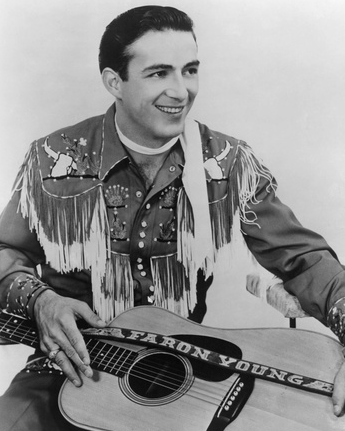
Faron Young
Ray Price would soon record Nelson’s “Night Life”, and after Price’s regular bassist, Johnny Paycheck, quit, Nelson was invited to join the Price touring band as bass player.
In short succession, “Funny How Time Slips Away” became a hit for Billy Walker, “Pretty Paper” a hit for Roy Orbison, and although Patsy Cline was at first reluctant to record “Crazy” after hearing Nelson’s recording of the song, with his now well-known idiosyncratic style of phrasing, her recording of the song would reach the #2 Country spot, spend 21 weeks on the charts, and become one of her signature tunes. Patsy Cline’s version of “Crazy” is No. 85 on Rolling Stone‘s list of The 500 Greatest Songs of All Time.
In 1961, Nelson signed with Liberty Records and recorded his first two singles, both of which entered the Top 10. The first single, “Willingly”, was recorded as a duet, with his soon-to-be second wife, Shirley Collie. Liberty released Nelson’s first album, . . . And Then I Wrote, in 1962.
Nelson recorded one single for Monument Records in 1964, before being encouraged by Chet Atkins to join RCA Records, where he signed a contract for $10,000 per year. Nelson’s first album with RCA was released in 1965. That same year, he joined the Grand Ole Opry, and met and became close friends with Waylon Jennings.
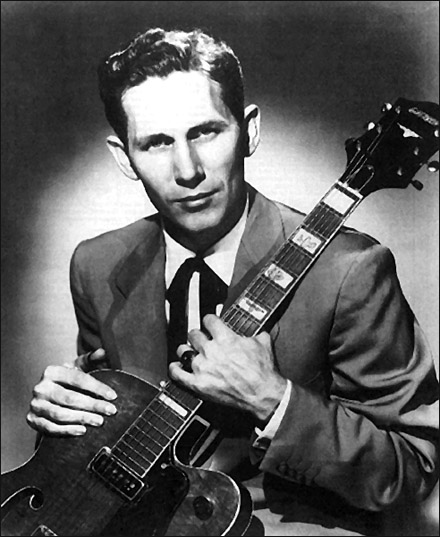
Chet Atkins 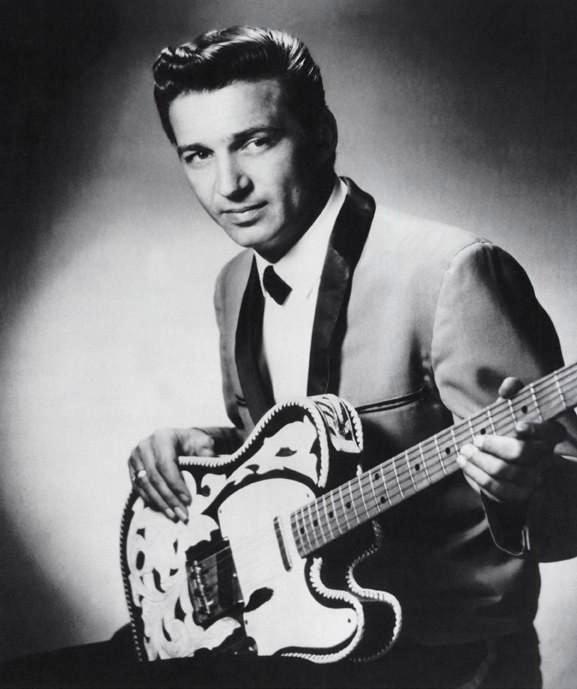
Waylon Jennings
Although Willie’s initial success at RCA was slow in coming, from fall of 1966 to spring of 1969, a number of his singles reached the top 25, including “One in a Row” (#19), and “The Party’s Over” (#24 during a 16-week chart run).
In 1970, having become frustrated with the business of music in Nashville, Nelson moved back to Texas. He continued to record for RCA for several more years, but his frustration with his lack of success as a performing artist would eventually lead him to retire from music.
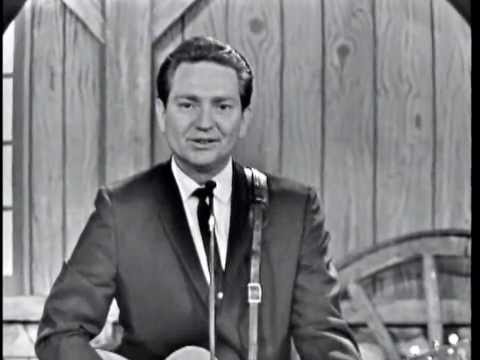
“It was a time of the preacher
In the year of O-one
Now the lesson is over
And the killin’s begun” – Time of the Preacher Theme (Willie Nelson)
Sources:
https://en.wikipedia.org/wiki/Crazy_(Willie_Nelson_song)
https://en.wikipedia.org/wiki/Red_Headed_Stranger
https://en.wikipedia.org/wiki/Willie_Nelson
All photos sourced through internet searches, none belong to the author.
]]>Others are blue
It’s the way you ride the trail that counts
Here’s a happy one for you” – Happy Trails (Dale Evans) © Sony/ATV Music
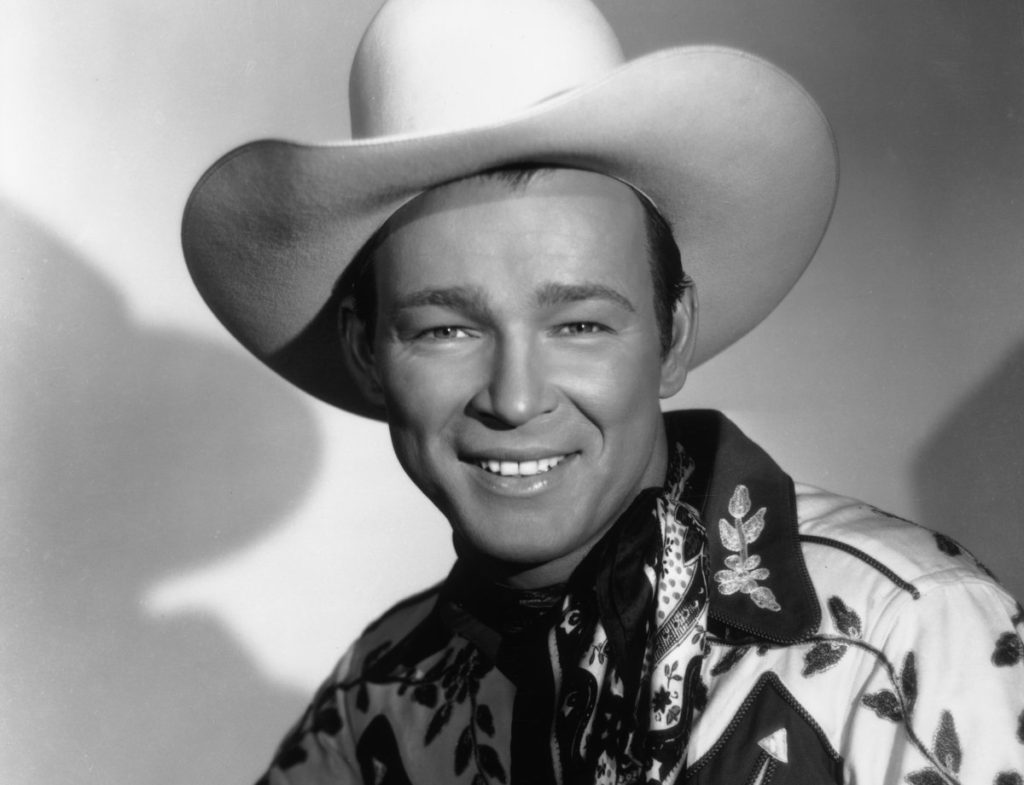
Roy Rogers was born as Leonard Franklin Slye on November 5, 1911, in Cincinnati, Ohio. The son of Mattie and Andrew “Andy” Slye, “Len” lived with his family in a tenement on 2nd Street, where Riverfront Stadium would later be built (Rogers was known to joke that he was born at second base).
In 1912, Andy Slye became disenchanted with city life and along with his brother Will, built a 12-by-50-foot houseboat, upon which the Slye family traveled up the Ohio River towards Portsmouth. There, Andy purchased a piece of land where he intended to build them a home, but the Great Flood of 1913 allowed them to move the houseboat onto their lot, where they were able to continue living aboard the boat on dry land.
In 1919, the Slye family purchased a farm at Duck Run, near Lucasville, Ohio, where they built a six-room house. Realizing that farm work alone would not support his family, Andy Slye soon took a job at a Portsmouth shoe factory, staying in the city during the week, then returning to his family on the weekends. Often he would arrive at the farm after payday, with gifts for his family. One of those gifts was a horse, on which young Len learned the basics of horsemanship.
Being isolated on their farm with no radio, it was up to the family to create their own entertainment. On many Saturday nights, they would invite their neighbors over for get-togethers, where Len would sing, play mandolin, and call square dances. He also learned to yodel, and often he and his mother would use different yodels to communicate with each other on the farm.
After completing two years of high school, Len could see that his family needed financial help, and he quit school to work with his father in the shoe factory.
By 1929, Len’s older sister Mary and her husband had moved to Lawndale, California, a short distance south of Los Angeles. By the spring of 1930, Len and the rest of the Slye family followed Mary, renting a house not far away. Len and his father then found work driving trucks for a gravel company.
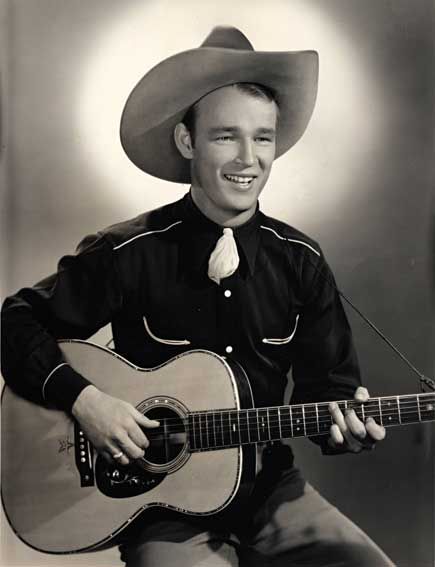
In 1931, at the encouragement of his sister Mary, and wearing a Western shirt that she had sewn for him, Len auditioned for the Midnight Frolic radio program, broadcast by KMCS in Inglewood. A few days after his appearance on the show, he was asked to join a local country music group, the Rocky Mountaineers. He remained with the group a few months before leaving to form another musical group.
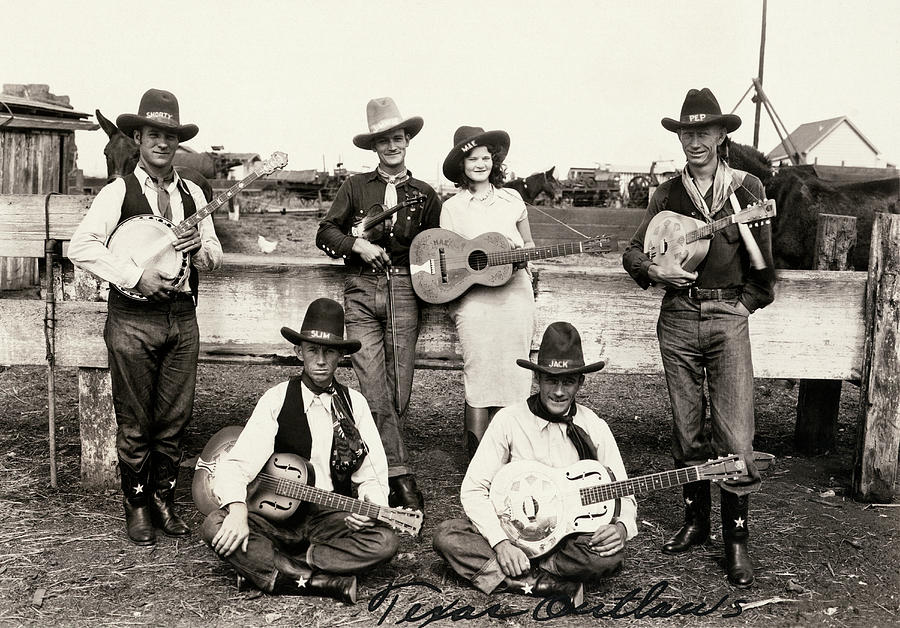
Through 1932, Len performed with a succession of groups before joining Jack LeFevre and His Texas Outlaws, who were popular on a local Los Angeles radio station. In 1933, while continuing to perform with the radio singing group, Len formed The Pioneers Trio, with himself as guitarist, along with a bassist and a lead vocalist. The group began writing original material, rehearsing vocal arrangements, and eventually added a fiddle player, who also sang bass. As they were no longer a trio, their name was soon changed to The Sons of the Pioneers.
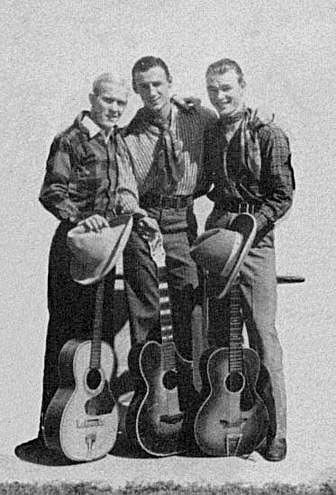
By the summer of 1934, The Sons of the Pioneers had gone from being known locally and throughout the greater Los Angeles area, to having a national following, due to syndicated radio spots that were later rebroadcast across the country. In the summer of ’34, the group signed a contract with the newly formed Decca Records label, and over the next two years would record 32 songs for the label, including the classics, “Cool Water” and “Tumbling Tumbleweeds”.
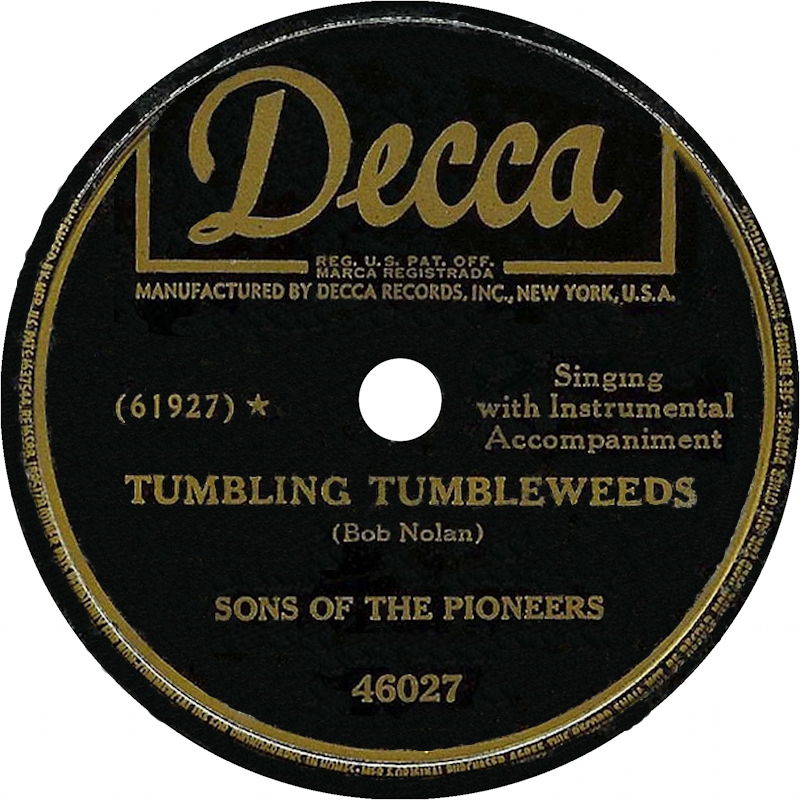
“Oh, and Roy Rogers is riding tonight
Returning to our silver screens
Comic book characters never grow old
Evergreen heroes whose stories were told
Oh the great sequin cowboy who sings of the plains
Of roundups and rustlers and home on the range
Turn on the TV, shut out the lights
Roy Rogers is riding tonight” – Roy Rogers (Elton John/Bernie Taupin)
Len Slye began making Western films in 1935, including taking on a large supporting role as a singing cowboy, in a film starring Gene Autry, while still performing under his own name. In 1938, Gene Autry began demanding more money for the films he appeared in, and there was competition to find a new singing cowboy. That role was eventually won by Slye, and soon Republic Pictures had given him the name of Roy Rogers, believing that it was a more Western sounding name.
“I’ve been living in a Roy Roger’s song
Something ’bout where my heart belongs
My horse and I will never give in
We’ll ride away in a western wind” – City Boy’s Dream (Adam Gregory)
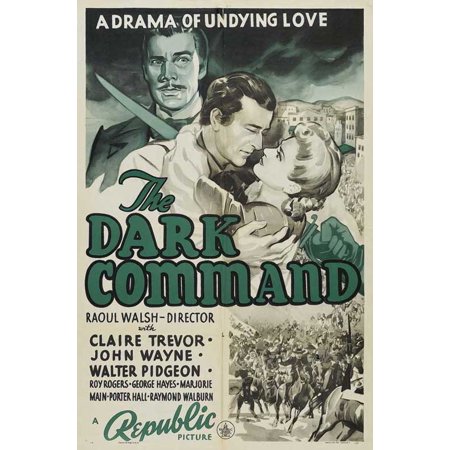
The newly christened Roy Rogers began starring in his own films, in direct competition with Gene Autry, but also took co-starring roles, such as in the John Wayne film, Dark Command, where he appeared with one of his future sidekicks, George “Gabby” Hayes. Rogers was soon a major box-office attraction, and as such, most of his roles allowed him to play a character with his own name, much like Gene Autry.
“I remember wearin’ straight leg Levis
Flannel shirts even when they weren’t in style
I remember singin’ with Roy Rogers
At the movies when the West was really wild” – I Was Country When Country Wasn’t Cool (Morgan / Fleming)
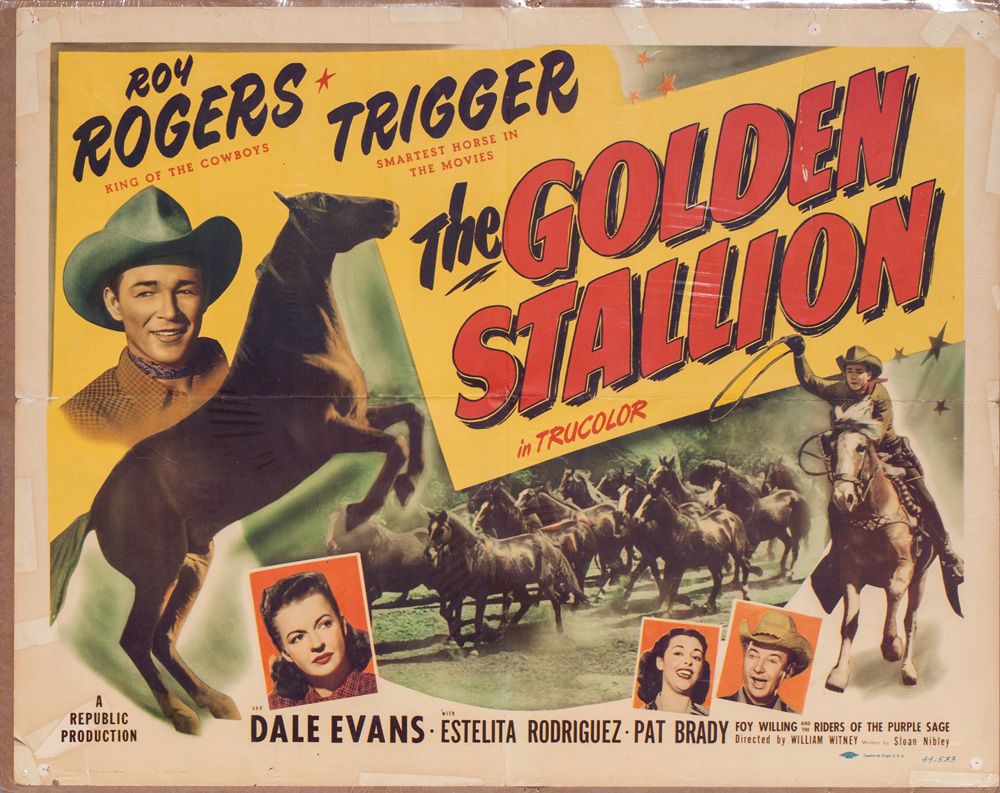
In the Motion Picture Herald Top Ten Money-Making Western Stars poll, Rogers was listed for 16 consecutive years, from 1939 to 1954. Originally ranking in second place, behind Gene Autry, he held the top spot beginning in 1943, when Autry left the business to enlist in the military and held that spot until 1954 when the poll ceased. In 1945 and 1946, Rogers also appeared in the Top Ten Money-Making Stars Poll for all films.
In 1940, Rogers added a clause to his contract with Republic Pictures, in which he retained the rights to his likeness, his voice, and his name for merchandising purposes. Roy Rogers and his golden Palomino, Trigger, were soon featured as action figures, in adventure novels, in comic books, on lunch boxes, games, and just about anything else you could imagine. These products were mainly marketed to children, and young adults and Rogers was very protective of his image. For a period, Rogers was second only to Walt Disney in the number of items featuring his name.
“For a while, I stood there on the sidewalk
A Roy Rogers lunch pail in my hand
Then I heard sweet children’s voices calling
And I began to understand” – Four Eyes (Randy Newman)
Although Roy Rogers had met Dale Evans (born Lucille Wood Smith, her name was changed to Frances Octavia Smith while she was still an infant. ) in 1944, when they were cast to star in a film together, they did not fall in love until months after Rogers’ second wife, Grace, died of complications from childbirth in November of 1946. Rogers & Evans would marry on New Year’s Eve, 1947, at the Flying L Ranch in Davis, Oklahoma, where they had filmed Home in Oklahoma several months earlier. Although it was the 3rd marriage for Rogers, and the 4th for Evans, they would remain married for 50 yrs, until Rogers’ death in 1998. Together they would have nine children, including offspring from their previous marriages, and four adopted children.
“Now if I were Roy Rogers
I’d, sure enough, be single
I couldn’t bring myself to marrying old Dale
It’d just be me and Trigger
We’d go ridin’ through them movies
And we’d buy a boat and on the sea, we’d sail” – If I Had a Boat (Lyle Lovett)
The Roy Rogers Show ran for 100 episodes on NBC, from 1951 through 1957, and featured Roy’s horse, Trigger, Dale’s horse, Buttermilk, and the couple’s German shepherd, Bullet. The show’s theme song, “Happy Trails,” was written by Dale Evans and sung by the couple as the credits rolled at the end of each episode. The show can still be viewed today via cable outlets.
During his performing career, Roy Rogers made more than 100 films, appeared in more than 100 TV episodes, appeared on radio and made dozens of musical recordings. He owned a production company that produced his show, as well as other TV shows. He licensed his name to the Marriot Corporation to use on their chain of “Roy Rogers” restaurants. He was a Freemason and belonged to the Al Malaikah Shrine Temple.
“In Nineteen Sixty Seven the draft caught up with me
Me and my pal Joe went off to war
We might find hero’s heaven, but we’d keep the country free
We would surely win just like before
Roy Rogers, he was on his horse, and Buck Jones drew his gun
We would surely win of course when the battle was all done” – 1967 (Don McLean)
Roy and Dale were advocates for adoption and were both actively involved in homeless and children’s charities. They were both outspoken Christians, and active in their church organization.
Some of Roy’s many honors and awards include three stars on the Hollywood Walk of Fame, for film, radio, and television; in 1983 he was awarded the Golden Boot Award, and in 1996 he received the Golden Boot Founder’s Award; In 1976, Rogers and Evans were inducted into the Western Performers Hall of Fame at the National Cowboy & Western Heritage Museum in Oklahoma City, Oklahoma, and in 1995 he was inducted again as a founding member of the Sons of the Pioneers; and Roy Rogers is the only performer to be twice elected to the Country Music Hall of Fame, first as a member of the Sons of the Pioneers in 1980, and again as a soloist in 1988.
Roy Rogers died of congestive heart failure on July 6, 1998, in Apple Valley, California, where he had resided since the mid-1960s. Dale Evans died three years later. They are buried together at Sunset Hills Memorial Park in Apple Valley.
“I tell you what the world could use
Is a Roy Rogers and a Trigger too…
The world could use a cowboy right about now” – The World Could Use a Cowboy (David Martin)
Few people in the modern era have had the widespread cultural influence of Roy Rogers. I watched reruns of his television show when I was a boy and had a holstered cap gun that I wore because I wanted to be like Roy. I remember watching “stills” from his television show through my View-Master, and Roy & Dale were always a highlight of the annual Tournament of Roses Parade, where they appeared immaculately turned-out in full Western regalia.
“Stealin’ the young girls’ hearts
Just like Gene and Roy
Singin’ those campfire songs
Woah, I should’ve been a cowboy” – Should’ve Been a Cowboy (Toby Keith)
From the song lyrics that I’ve shared excerpts of, Roy Rogers plainly had a profound influence on many, and I believe it’s safe to say that we will never again see an entertainment personality with a similarly impactful career.
Thanks, Roy!
“Who cares about the clouds when we’re together?
Just sing a song, and bring the sunny weather,
Happy trails to you
Until we meet again” – Happy Trails (Dale Evans) © Sony/ATV Music
Sources:
https://en.wikipedia.org/wiki/Happy_Trails_(song)
https://en.wikipedia.org/wiki/Roy_Rogers
All photos sourced through internet searches, none belong to the author
]]>